Unlocking the Power of Epigenetic Nutrition: How Your Diet Can Rewrite Your Health Destiny
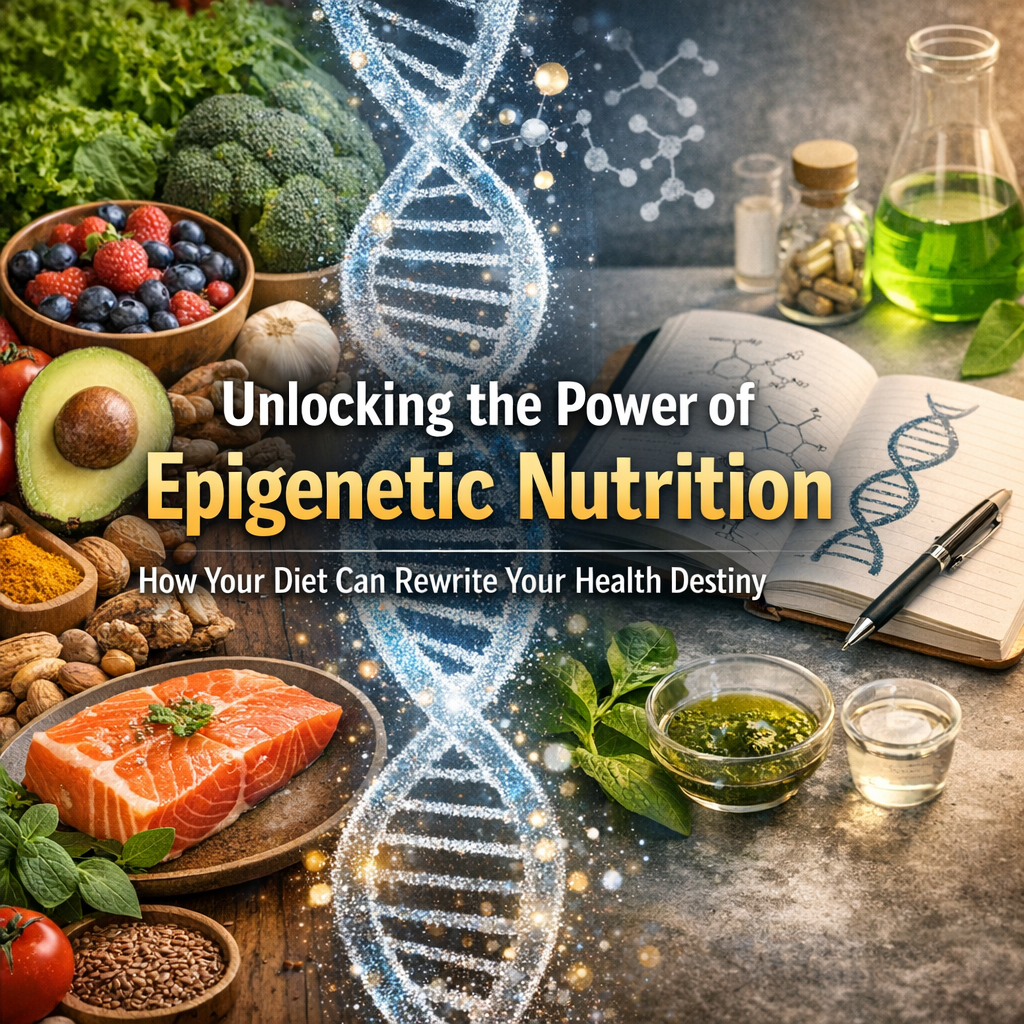
In a world dominated by genetics, epigenetics offers a fresh perspective that enhances personal agency in health management. Unlike our fixed DNA, epigenetic modifications—changes in DNA expression—are influenced by environmental factors, particularly diet. This revelation empowers individuals to improve well-being through dietary choices, with food acting as potent medicine that affects gene expression.
Epigenetic nutrition is a transformative discipline that blurs the lines between genetic determinism and lifestyle choices. Adaptations in diet can combat chronic ailments, optimize health, and even reverse genetic predispositions. This personalized nutrition approach tailors diets for optimal health outcomes by understanding the interaction between dietary inputs and gene expressions.
Features: Scientific Insights into Epigenetic Nutrition
Several studies emphasize nutrition’s impact on epigenetic mechanisms. Research published in [Nature Reviews Genetics](https://www.nature.com/articles/nrg2735) highlights nutrient-gene interactions, with diet directly influencing DNA methylation, a crucial epigenetic process. This is integral to gene regulation and is sensitive to dietary factors like folate, vitamin B12, and methionine, crucial in the methylation pathway.
A significant study by the [National Institute of Environmental Health Sciences](https://www.niehs.nih.gov/research/supported/sep/epigenetics/index.cfm) explored the epigenetic effects of polyphenol-rich fruits and vegetables, highlighting how these components enact beneficial chromatin modifications. Polyphenols in foods like green tea, red berries, and dark chocolate can prevent harmful gene activation linked to chronic diseases.
Research in [The American Journal of Clinical Nutrition](https://academic.oup.com/ajcn/article/101/6/1359S/4564650) demonstrates how certain dietary patterns, such as the Mediterranean diet, can modify gene expression. Participants adhering to this diet experienced positive epigenetic changes, reducing inflammation and improving cardiovascular health.
Additionally, a study in [Epigenomics](https://www.futuremedicine.com/doi/10.2217/epi.12.87) illustrates how calorie restriction affects beneficial gene regulation linked to longevity, showing that calorie intake can influence epigenetic marks and extend lifespan.
These studies collectively highlight the potential of personalized nutrition strategies informed by one’s epigenetic profile to alter health trajectories positively, urging a rethink of traditional dietary guidelines.
Conclusion: Steering Your Health Course through Epigenetic Nutrition
The empowerment of rewriting genetic destiny through dietary choices showcases our potential to control health. By integrating foods that foster beneficial gene expressions, we can create a personalized wellness roadmap. Understanding epigenetic nutrition is a call to reimagine our relationship with food and health. This knowledge promises vitality and healthier epigenetic traits for future generations, heralding a revolution in health—one meal at a time.
Concise Summary
Epigenetic nutrition emphasizes the power of diet in influencing gene expression, allowing individuals to modify their health outcomes. While genetic makeup is fixed, epigenetic modifications can be influenced by dietary components, making diet a vital tool in health management. Research highlights how nutrients like polyphenols and specific dietary patterns such as the Mediterranean diet can positively impact gene regulation, reducing inflammation and chronic disease risks. By embracing personalized nutrition informed by epigenetic insights, individuals can harness their diet to enhance well-being, longevity, and pass healthier traits to future generations.

Dominic E. is a passionate filmmaker navigating the exciting intersection of art and science. By day, he delves into the complexities of the human body as a full-time medical writer, meticulously translating intricate medical concepts into accessible and engaging narratives. By night, he explores the boundless realm of cinematic storytelling, crafting narratives that evoke emotion and challenge perspectives.
Film Student and Full-time Medical Writer for ContentVendor.com