Beyond Superfoods: How Nutrigenomics is Personalizing Diets for Chronic Disease Management
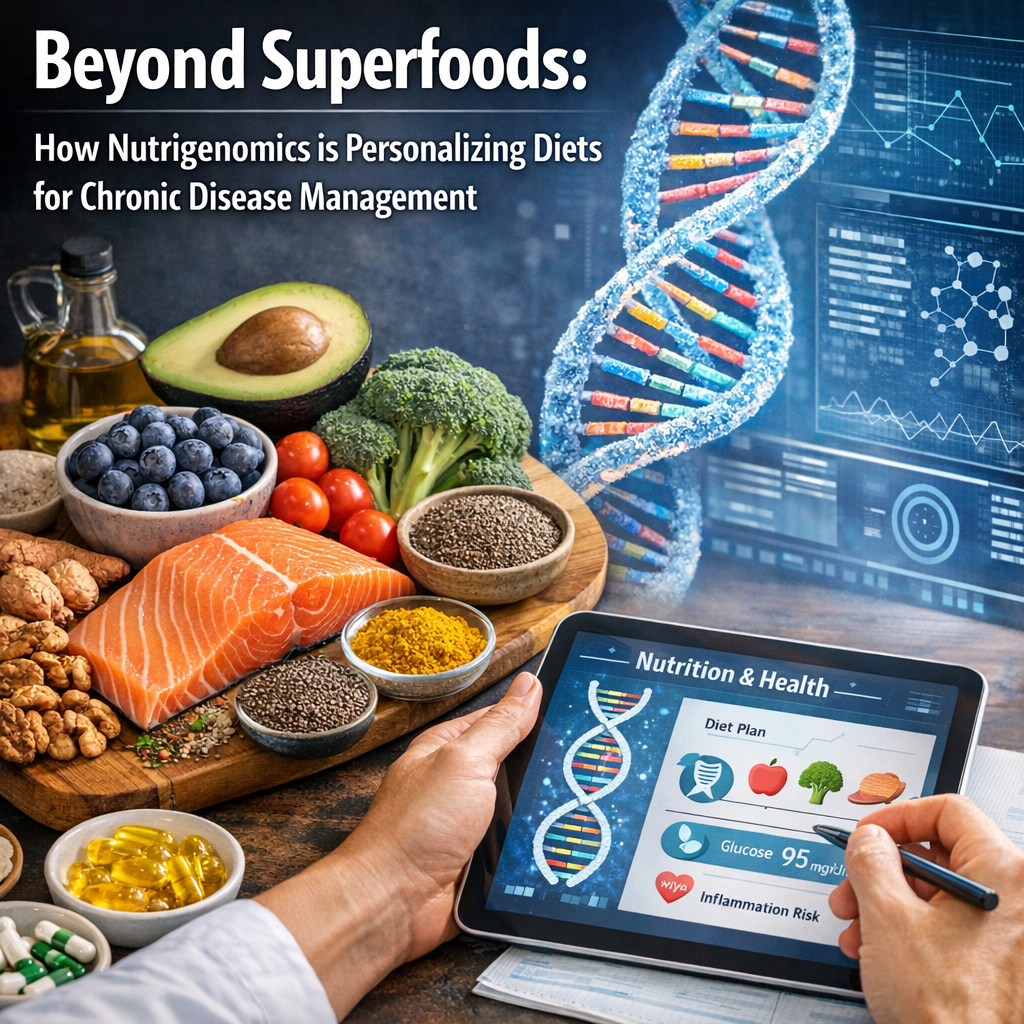
In recent years, the food and wellness industry has seen an exponential rise in the popularity of superfoods—nutrient-rich ingredients lauded for their supposed health benefits. While superfoods remain an important part of a balanced diet, a new frontier in nutritional science called nutrigenomics is gaining traction as a game-changing approach to personalizing diets. Nutrigenomics is the study of how individual genetic variations interact with nutrients and other bioactive food components to influence health outcomes, with a significant focus on chronic diseases such as diabetes, heart disease, and obesity.
With chronic diseases accounting for approximately 70% of deaths globally, according to the [World Health Organization](https://www.who.int/news-room/fact-sheets/detail/noncommunicable-diseases), the importance of a more personalized approach to diet and nutrition cannot be overstated. Traditionally, dietary recommendations have adhered to a one-size-fits-all model, focusing on broad guidelines that are applicable to the general population. However, emerging research in nutrigenomics suggests that the key to managing and even preventing chronic diseases lies in tailoring nutritional interventions to an individual’s genetic makeup.
This personalized approach recognizes that genetic variations can affect how an individual metabolizes, absorbs, and utilizes different nutrients. For example, certain gene variants may influence caffeine metabolism, making some individuals more sensitive to the effects of caffeinated beverages. Similarly, variations in genes regulating cholesterol absorption can impact an individual’s susceptibility to heart disease and their response to dietary fats. By understanding these genetic factors, healthcare providers can craft personalized dietary plans that optimize health outcomes, particularly for managing chronic conditions.
Nutrigenomics is not solely about understanding genetic predispositions; it’s also about empowering individuals to make informed dietary choices that mitigate health risks. With advancements in genetic testing technology, individuals now have access to detailed insights into their unique genetic profiles, offering a roadmap for nutritional interventions that can significantly enhance health and well-being. As this innovative field continues to grow, nutrigenomics promises to revolutionize the way we approach chronic disease management, moving beyond superfoods to a more precise and individualized path to health.
Features: Nutrigenomics in Action
The connection between genetics and nutrition is not just theoretical; several scientific studies lend credibility to the principles of nutrigenomics and its potential in managing and preventing chronic diseases. One compelling study published in the [Cell Journal](https://www.cell.com) in 2015 explored how dietary interventions could reduce the risk of developing type 2 diabetes. The research demonstrated that individuals with a particular variant of the TCF7L2 gene—a gene strongly associated with diabetes—responded differently to a high-fiber diet compared to those without the variant. The study underlined the importance of tailoring dietary interventions to genetically defined subgroups to optimize their effectiveness in disease prevention.
Another pivotal piece of research, published in the [Journal of the American College of Cardiology](https://www.jacc.org), focused on nutrigenomic interactions in cardiac health. This study investigated the relationship between omega-3 fatty acids, renowned for their heart-protective properties, and genetic variations in patients with coronary artery disease. The research found that individuals with specific gene variants experienced significantly enhanced cardiovascular benefits from increased omega-3 intake, providing robust evidence for the role of nutrigenomics in personalized cardiac care.
Additionally, a groundbreaking study in the [American Journal of Clinical Nutrition](https://www.academic.oup.com/ajcn) examined the effect of genetic differences on the efficacy of vitamin-based interventions for managing hypertension. The findings revealed that individuals with certain gene variants responded more favorably to increased folate and riboflavin intake, highlighting the potential for nutrigenomics to devise personalized nutritional strategies for blood pressure control.
These studies underscore the transformative potential of nutrigenomics across various domains of chronic disease management. By identifying genetic variations that influence dietary response, nutrigenomics enables a precision medicine approach that not only targets disease prevention but also improves disease management outcomes. Beyond theoretical implications, nutrigenomics provides tangible, scientifically validated frameworks for optimizing nutrition on an individual level.
Conclusion
Nutrigenomics represents a paradigm shift in our understanding of nutrition and health, offering a cutting-edge approach to personalized dietary interventions for chronic disease management. By leveraging the insights gleaned from genetic information, nutrigenomics has the potential to revolutionize how we tailor diets to individual needs, moving beyond the blanket recommendations traditionally offered by superfoods. It empowers individuals to make informed decisions that align with their unique genetic profiles, potentially mitigating health risks and enhancing well-being. As clinical research continues and technology evolves, the integration of nutrigenomics into mainstream healthcare is anticipated to further refine our approach to nutrition, making personalized dietary guidance an accessible reality for those seeking to manage and prevent chronic conditions. In an era where personalized medicine is gaining ground, nutrigenomics stands at the forefront, promising a healthier, more individually tailored future.
Concise Summary: Nutrigenomics is revolutionizing chronic disease management by personalizing diets based on genetic makeup. Unlike the traditional one-size-fits-all approach, it tailors nutritional interventions to individual genetics, thereby optimizing health outcomes, particularly for chronic diseases like diabetes and heart disease. Studies show how gene-nutrient interactions impact dietary responses, highlighting nutrigenomics’ potential in precision medicine. By understanding individual genetic profiles through advancements in genetic testing, nutrigenomics enables informed dietary choices, promising a more personalized, effective approach to health and well-being beyond superfoods.

Dominic E. is a passionate filmmaker navigating the exciting intersection of art and science. By day, he delves into the complexities of the human body as a full-time medical writer, meticulously translating intricate medical concepts into accessible and engaging narratives. By night, he explores the boundless realm of cinematic storytelling, crafting narratives that evoke emotion and challenge perspectives.
Film Student and Full-time Medical Writer for ContentVendor.com