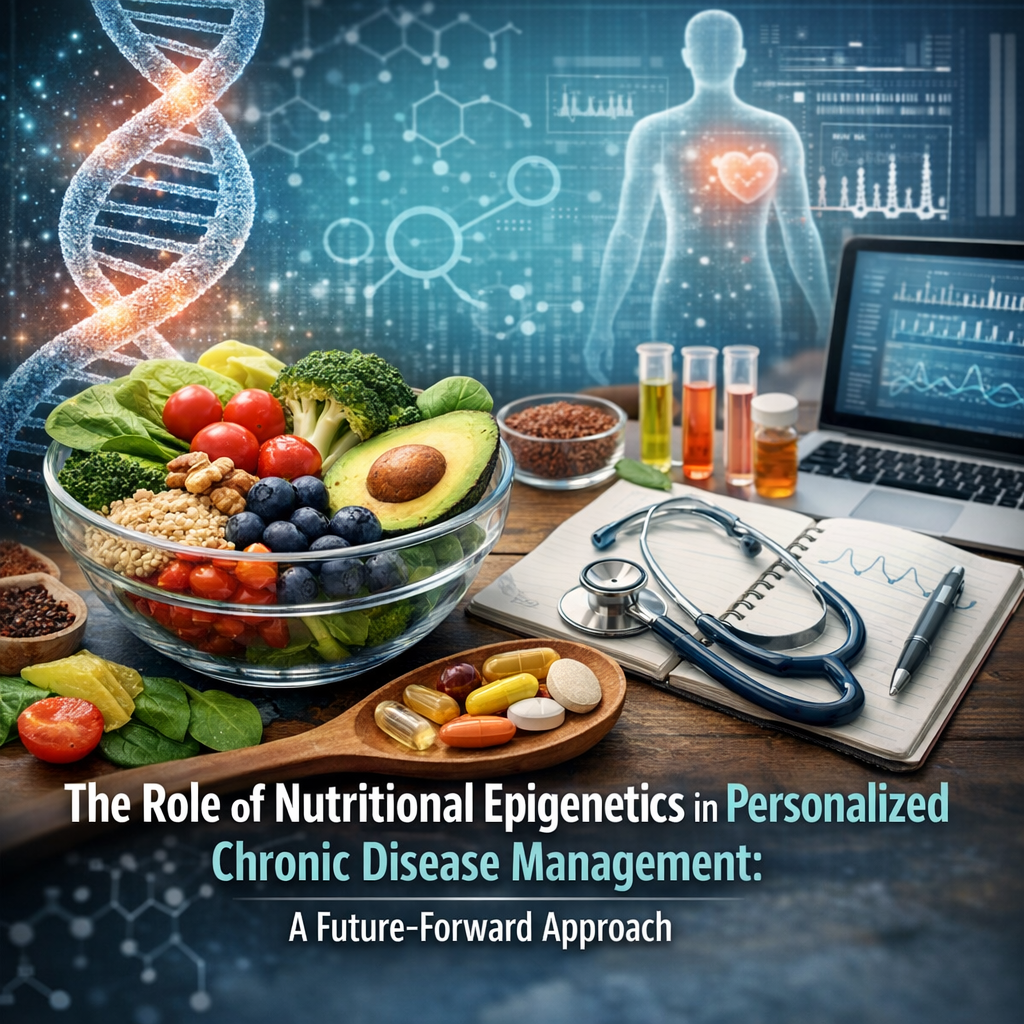
The Role of Nutritional Epigenetics in Personalized Chronic Disease Management: A Future-Forward Approach
Introduction
In the ever-evolving landscape of medical science, nutritional epigenetics emerges as a promising field, offering potentially groundbreaking insights into personalized healthcare. It interprets the nuanced language of our genes—beyond the static information within DNA—and explores how lifestyle factors, especially diet, can influence gene expression and, consequently, overall health. As modern research focuses increasingly on chronic diseases like diabetes, cardiovascular disorders, and certain types of cancer, nutritional epigenetics provides a novel lens through which these conditions can be understood and managed.
The concept of epigenetics revolutionizes our understanding by suggesting that while our genetic blueprint remains fixed, the expression of these genes is modifiable by external factors. Nutritional epigenetics specifically studies how food components interact with genetic pathways, potentially altering gene activity without changing the DNA sequence itself. This interaction holds profound implications for chronic disease management, shifting the paradigm from generic dietary recommendations to a more personalized approach.
Chronic diseases are a global health concern, often exacerbated by lifestyle factors such as poor diet, lack of physical activity, and stress. Traditional management strategies often adopt a one-size-fits-all methodology, which may not acknowledge individual variability in genetic predispositions. Here lies the transformative power of nutritional epigenetics—customizing dietary interventions to align with an individual’s unique genetic makeup could enhance the prevention and treatment of chronic conditions.
The rise of personalized nutrition based on gene expression is not just a future possibility; it is an emerging reality supported by advances in genetic research and technology. Imagine a future where dietary plans are tailored to one’s epigenetic profile, effectively managing risk for conditions like type 2 diabetes, obesity, or hypertension. This personalized approach could optimize health outcomes by focusing on foods and nutrients that support beneficial gene expression while potentially silencing genes that could trigger disease processes.
As research in this field progresses, it becomes increasingly clear that what we eat does more than just provide energy; it communicates with our genetic material, shaping health trajectories. Nutritional epigenetics, with its promise of precision and personalization, stands at the frontier of the next evolution in chronic disease management.
Features
Numerous studies underscore the significance of nutrition in modulating gene expression, paving the way for personalized nutrition strategies in chronic disease management. Key research has been conducted on DNA methylation, histone modification, and non-coding RNA activity—epigenetic mechanisms influenced by dietary components.
One landmark study published in the journal Nature Reviews Genetics examines how diets rich in organic compounds, like polyphenols and flavonoids, impact epigenetic markers that regulate inflammation and insulin sensitivity. For instance, compounds found in green tea and turmeric have been shown to alter histone acetylation patterns, potentially contributing to reduced inflammation and improved metabolic health.
Research from the American Journal of Clinical Nutrition highlights how variations in nutrient availability can change DNA methylation patterns, crucial in the pathogenesis of several chronic diseases. For example, folate, a B-vitamin, serves as a methyl donor in epigenetic processes and is instrumental in the methylation of DNA. Adequate folate intake is associated with a lowered risk of colorectal cancer and cardiovascular disease, guided by its role in sustaining proper DNA methylation.
Furthermore, studies have delved into the role of omega-3 fatty acids, commonly found in fish oils, in influencing gene expression related to lipid metabolism. According to research published in The Journal of Nutritional Biochemistry, omega-3s modify the expression of genes linked to inflammatory pathways, subsequently impacting chronic diseases such as arthritis and heart disease.
Importantly, these findings emphasize the interplay between nutrition and gene expression, thus highlighting the potential for dietary interventions to serve as modifiable factors in the management of chronic illnesses. With continuous advancements in genetic sequencing technology, the development of individual-specific nutritional recommendations becomes increasingly feasible.
Conclusion
Nutritional epigenetics represents a synergy of diet, genetics, and chronic disease management, heralding a new era in personalized health care. By fundamentally understanding that our interactions with food transcend mere caloric content to include genetic expression and regulation, health professionals can craft interventions that are as unique as our individual DNA.
The prospect of tailoring dietary strategies based on epigenetic insights not only holds promise for mitigating the progression of chronic diseases but also establishes a proactive approach to healthcare. While challenges such as accessibility, the complexity of individual variations, and ethical considerations remain, the ongoing research and application of nutritional epigenetics continue to redefine the possibilities in chronic disease management.
The future of personalized healthcare, fueled by nutritional epigenetics, is not just about living longer but living healthier lives, empowered by the knowledge of our genetic map and the choices we make to navigate it. As science marches forward, integrating these insights into practical healthcare solutions becomes a critical objective, unlocking new horizons in the quest for optimal health.
Concise Summary
Nutritional epigenetics is an innovative field that explores how dietary components impact gene expression, offering personalized approaches to managing chronic diseases like diabetes and cardiovascular disorders. Through mechanisms like DNA methylation and histone modification, nutrition can modify gene activity, enabling tailored health strategies. This shift from generic diets to genetically-informed plans promises enhanced prevention and treatment outcomes. Studies highlight the roles of nutrients like polyphenols, folate, and omega-3s in modulating health-affecting genes. As research progresses, personalized nutrition becomes more feasible, marking a pivotal evolution in chronic disease management and personal healthcare.

Dominic E. is a passionate filmmaker navigating the exciting intersection of art and science. By day, he delves into the complexities of the human body as a full-time medical writer, meticulously translating intricate medical concepts into accessible and engaging narratives. By night, he explores the boundless realm of cinematic storytelling, crafting narratives that evoke emotion and challenge perspectives.
Film Student and Full-time Medical Writer for ContentVendor.com