How AI-Powered Nutrition Insights Can Revolutionize Chronic Disease Management
In the ever-evolving landscape of health and wellness, the synergy between technology and nutrition is crafting a transformative narrative. Chronic diseases, such as cardiovascular ailments, diabetes, and obesity, affect millions globally, exacting a heavy physical and emotional toll. Traditionally, the management of these conditions has relied heavily on pharmacological interventions and standard dietary guidelines. However, the burgeoning integration of artificial intelligence (AI) into dietary planning is heralding a new era in the personalized management of chronic diseases.
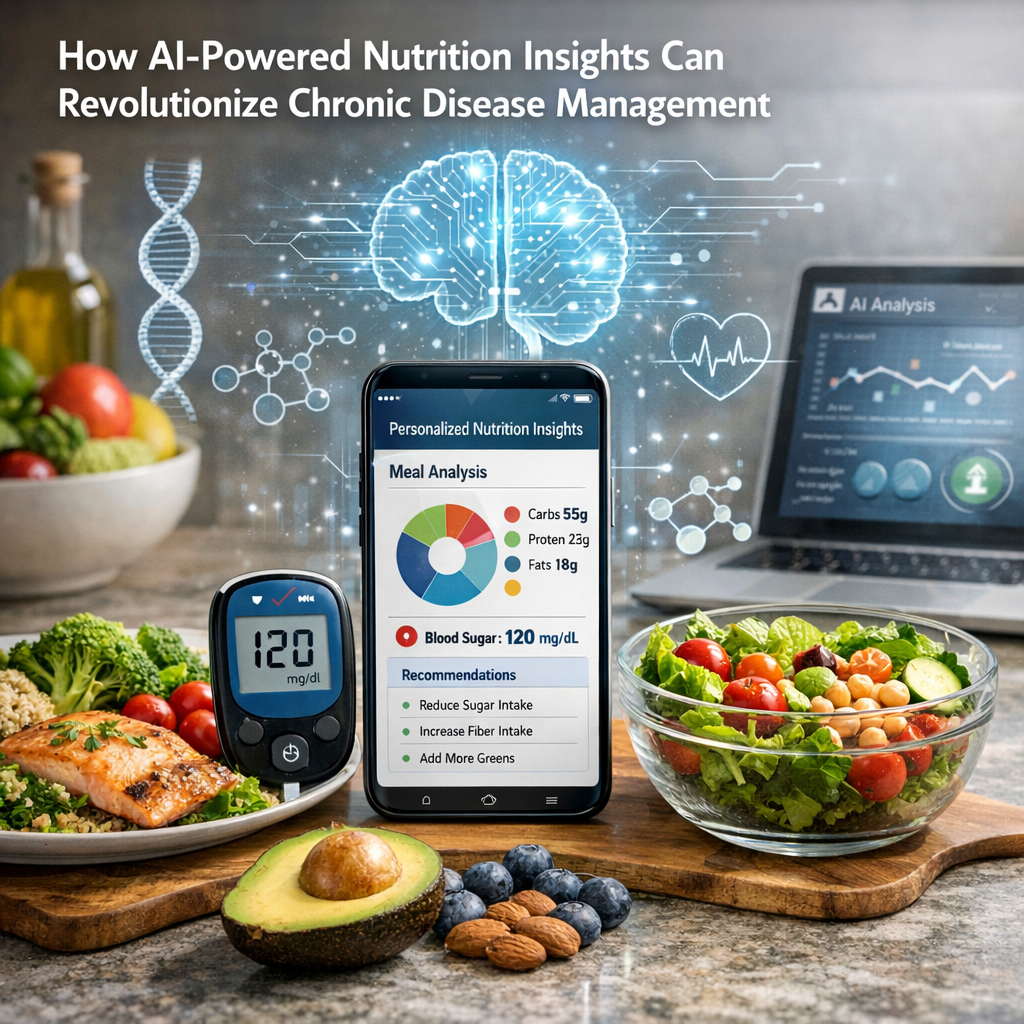
AI-powered nutrition insights delve beyond mere caloric content, considering genetic, environmental, and lifestyle factors that play a crucial role in disease manifestation and progression. One of the critical aspects of managing chronic diseases is understanding and mitigating the underlying nutritional deficiencies or excesses contributing to the condition. AI algorithms analyze vast datasets, including patient health records, dietary patterns, and even genetic markers, to provide personalized nutrition plans that cater to individual health profiles. This technology can identify subtle food intolerance, predict blood glucose responses, or unearth critical micronutrient deficiencies, tailoring dietary recommendations with unprecedented precision.
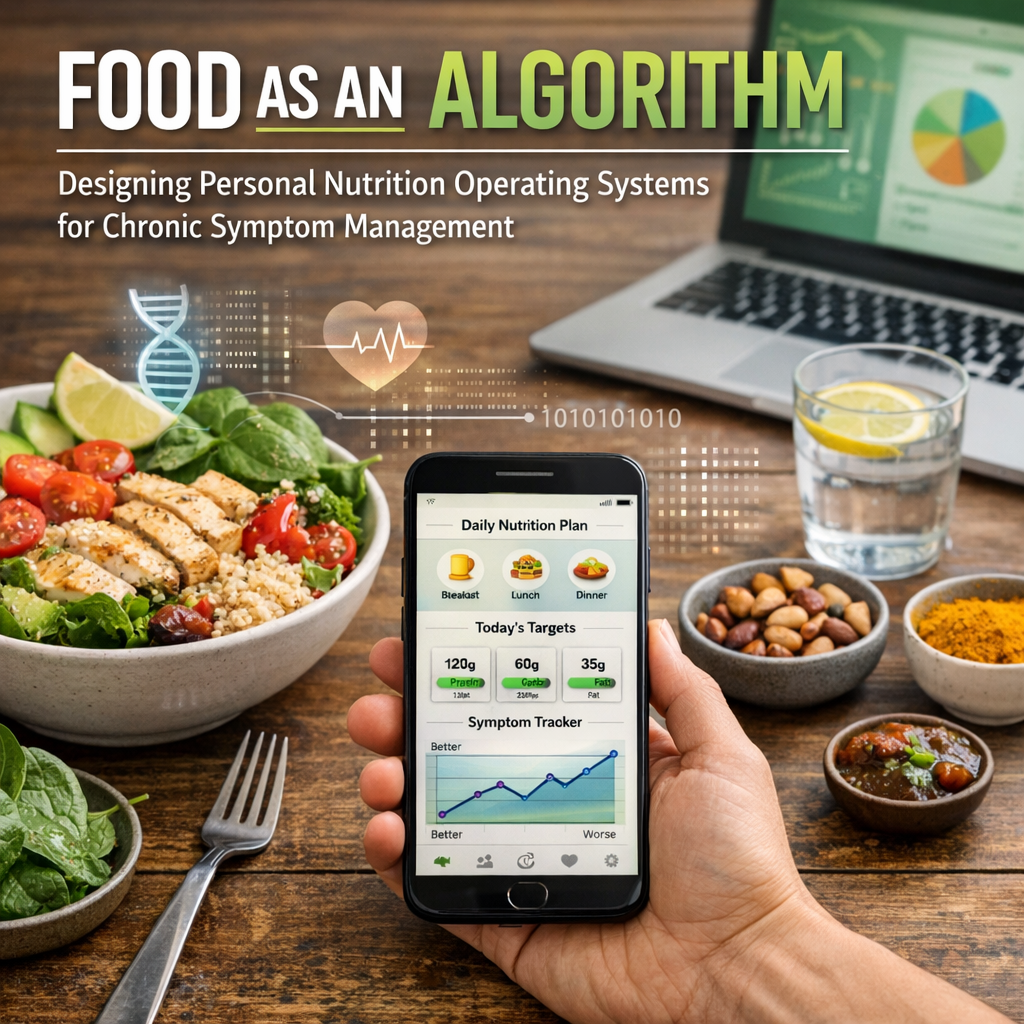
Additionally, AI’s role extends to ensuring adherence to dietary recommendations through real-time tracking and feedback systems. Tools like mobile apps and wearables equipped with AI capabilities monitor food intake and offer instant feedback, helping patients maintain their dietary plans, thus stabilizing or even reversing the progression of chronic diseases. Such AI-driven approaches are especially beneficial in weight management, a key factor in many chronic illnesses. The precision of these insights empowers patients with actionable strategies, contributing to improved health outcomes and enhanced quality of life.
Beyond individual gains, this AI-driven diet personalization holds enormous potential at a population level. Public health initiatives can leverage AI data analytics to devise targeted nutritional guidelines, address nutrient deficiencies prevalent in specific demographics, and combat the rising incidence of diet-related chronic diseases. As we stand on the cusp of an AI revolution in nutrition, the promise of precision healthcare becomes increasingly tangible.
Features: Professional and Medical Studies
The efficacy of AI in revolutionizing chronic disease management through nutrition isn’t merely speculative; it is substantiated by formidable research and clinical trials. A seminal study published in *Nature Medicine* demonstrated how AI could predict postprandial (after eating) blood glucose responses with higher accuracy than standard dietary guidelines. This model leverages a slew of data points, including anthropometric, microbiome, and blood parameters, charting day-to-day glucose fluctuations based on diverse meals consumed ([Zeevi et al., 2015](https://www.nature.com/articles/nature14202)).
Furthermore, AI’s prowess in curating personalized dietary plans stems from its capacity to synthesize and analyze multidimensional data, which is largely beyond human reach. A study outlined in the *Journal of Biomedical Informatics* discussed AI’s role in amalgamating diverse data sources, including patient electronic health records and global nutritional databases, to enhance dietary advice uniquely suited for managing chronic conditions like heart disease and hypertension ([Beam & Kohane, 2016](https://www.jbiomed.com/article/S1386-6532(15)30035-8/fulltext)).
AI applications are also illuminating new insights into the microbiome’s role in nutrition and disease management. According to a collaborative study published in *Cell*, AI models can evaluate vast microbiota data to design diets aimed at modulating gut health, directly impacting conditions such as inflammatory bowel disease and obesity ([He et al., 2022](https://www.cell.com/cell/fulltext/S0092-8674(22)00987-0)). The intricate relationship between gut flora and overall health underlines the importance of personalized nutrition strategies in managing chronic diseases.
Additionally, AI-powered wearables and applications augment the patient experience by fostering engagement and sustained dietary adherence. This technology provides real-time dietary feedback, establishing a dynamic interaction between dietary behavior and health outcomes, as observed in studies highlighted in the *Journal of Clinical Endocrinology & Metabolism*. This facilitated monitoring has shown improvements in patient compliance, leading to significant reductions in risk factors associated with chronic diseases ([Kim et al., 2018](https://academic.oup.com/jcem/article/103/4/1232/4816820)).
As AI continues to evolve, its potential in personalized nutrition and chronic disease management is bound to expand. These studies and ongoing research serve as a testament to AI’s transformative capabilities, paving the way for more refined and effective health interventions.
Conclusion
The integration of AI into nutrition management heralds a renaissance in the way we approach chronic disease care. By transcending the limitations of traditional dietary guidelines, AI ushers in a new paradigm of personalized healthcare, catering to individual physiological and genetic nuances. As evidenced by numerous studies, AI-driven insights not only optimize diet regimens but also enforce patient adherence through innovative monitoring technologies. This novel approach significantly amplifies the potential for reversing or managing chronic illness progression more effectively than ever before.
The road to widespread implementation may face hurdles such as data privacy concerns and ensuring equitable access to these advanced technologies. However, the benefits—prospectively enhanced health outcomes, reduced healthcare costs, and a better quality of life for individuals afflicted with chronic diseases—are undeniable. As technology and healthcare continue to converge, AI-powered nutrition may soon become a cornerstone of holistic, effective chronic disease management, marking a pivotal shift in healthcare paradigms.
Concise Summary (100 words):
AI-powered nutrition insights are revolutionizing the management of chronic diseases like diabetes, obesity, and cardiovascular ailments by providing personalized dietary recommendations based on genetic, environmental, and lifestyle factors. This approach utilizes AI algorithms to analyze patient data and deliver precise nutrition plans, enhancing patient adherence and potentially reversing disease progression. Supported by studies in *Nature Medicine* and other journals, AI models offer more accurate predictions of health outcomes than traditional methods. While challenges like data privacy and equitable access remain, AI-driven nutrition promises substantial improvements in health outcomes and quality of life on both individual and population levels.

Dominic E. is a passionate filmmaker navigating the exciting intersection of art and science. By day, he delves into the complexities of the human body as a full-time medical writer, meticulously translating intricate medical concepts into accessible and engaging narratives. By night, he explores the boundless realm of cinematic storytelling, crafting narratives that evoke emotion and challenge perspectives.
Film Student and Full-time Medical Writer for ContentVendor.com