How AI-Driven Biofeedback Is Personalizing Nutritional Interventions for Autoimmune Conditions
In recent years, the convergence of artificial intelligence (AI) and biofeedback technologies has opened new frontiers in healthcare, particularly in the management of autoimmune conditions. These diseases, such as rheumatoid arthritis, lupus, and multiple sclerosis, occur when the body’s immune system mistakenly attacks its own tissues. Managing these conditions is challenging due to their complex and individualized nature. However, AI-driven biofeedback is revolutionizing the landscape by tailoring nutritional interventions to individual needs, offering hope where traditional treatments may fall short.
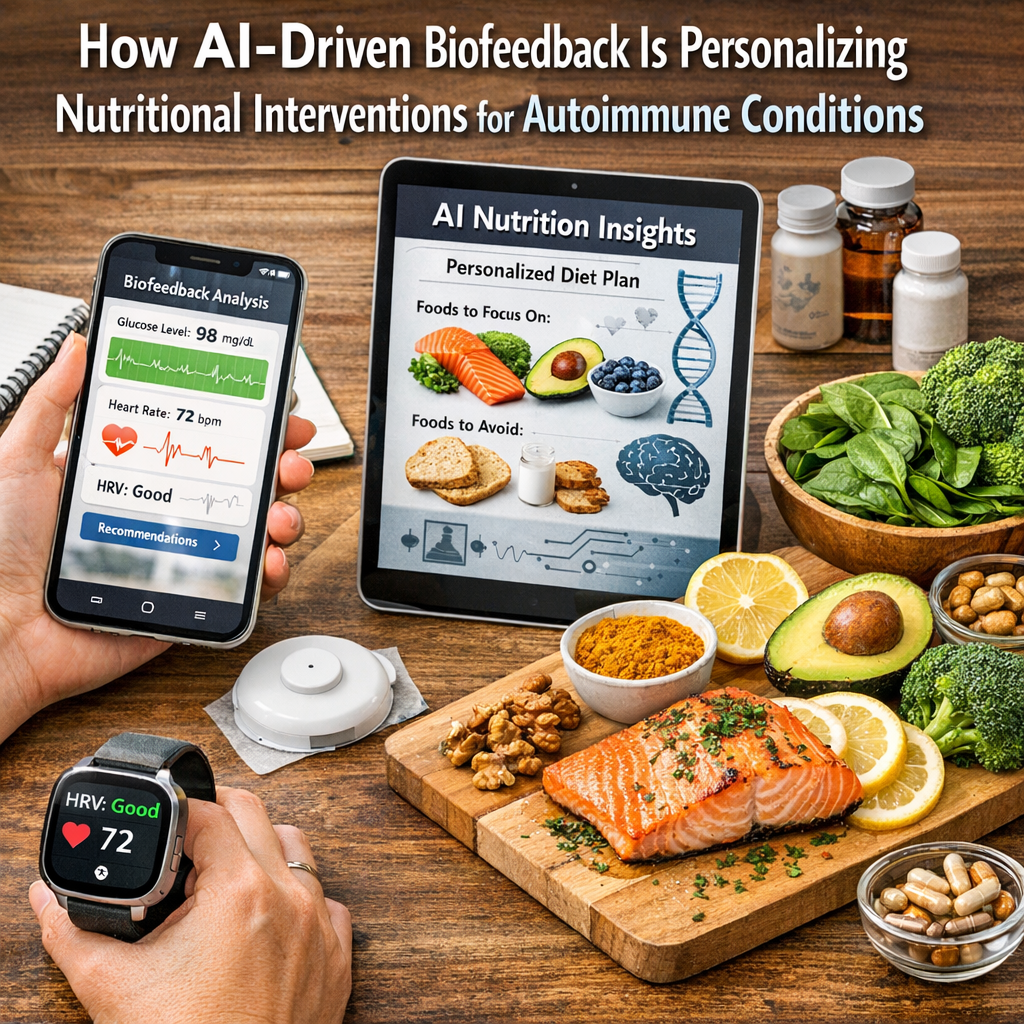
At its core, AI-driven biofeedback combines the computational power of AI with real-time physiological data collection. Biofeedback devices track metrics such as heart rate variability, skin conductivity, and blood pressure. When this data is analyzed by AI, it unveils patterns and correlations that were previously elusive. These insights are pivotal in personalizing nutritional strategies that can modulate immune responses and alleviate symptoms.
For individuals with autoimmune conditions, nutritional interventions are a key aspect of symptom management. Certain foods have been shown to either exacerbate or alleviate symptoms, contingent on the individual’s unique physiology. AI-driven biofeedback enables a personalized approach by accurately identifying food sensitivities and deficiencies that traditional methods might overlook. The AI system can recommend specific dietary adjustments, supplementing traditional treatments with bespoke nutritional advice aimed at enhancing quality of life.
An interesting advantage of this technology is its learning capacity. As individuals continue using biofeedback devices, AI algorithms become more attuned to personal physiological responses, refining nutritional recommendations with ongoing use. This dynamic adaptability makes AI-driven biofeedback an exciting tool for chronic condition management.
Technological advancements have also made these interventions more accessible. Portable biofeedback devices are now widely available, allowing users to integrate the technology into their daily lives seamlessly. As these devices become more user-friendly and affordable, more people will likely benefit from personalized nutritional interventions that can significantly impact their health outcomes.
Features: Professional and Medical Studies
The intersection of AI and biofeedback in healthcare has been the subject of rigorous study, revealing promising avenues for managing autoimmune conditions. A notable study published in the Journal of Medical Internet Research demonstrated the efficacy of AI-driven biofeedback in personalizing interventions for chronic health issues. The research highlighted how AI could discern subtle variations in physiological data, tailoring interventions in a manner unachievable by traditional methods.
Furthermore, a study featured in the Frontiers in Nutrition journal explored the impact of personalized nutrition on autoimmune diseases. Researchers found that targeted dietary changes, guided by data from biofeedback devices, significantly improved symptoms in test subjects. The study concluded that AI technology could pinpoint critical dietary adjustments that might remain undetected using standard clinical practices.
Another pivotal investigation came from the National Institutes of Health, which funded research into AI-based dietary interventions. Their findings underscored the importance of biofeedback in adjusting interventions based on real-time physiological responses, enhancing the precision and effectiveness of dietary plans for patients with autoimmune conditions.
In a clinical trial allocating individuals with rheumatoid arthritis to either a traditional treatment group or an AI-assisted intervention group, improvements were notably higher in the latter. Participants in the AI-assisted group reported not only reduced symptom severity but also an improved quality of life, suggesting a paradigm shift in chronic disease management through technologically advanced personalized nutrition.
Conclusion
AI-driven biofeedback is heralding a new era in the management of autoimmune conditions by personalizing nutritional interventions. With the capability to harness real-time physiological data, AI refines dietary recommendations to address individual needs effectively. Studies underscore the transformative impact of this technology, demonstrating improvements that traditional methods often cannot achieve. As the accessibility of biofeedback devices continues to rise and AI algorithms become more sophisticated, the potential for tailored nutrition to ameliorate autoimmune conditions seems increasingly within reach. This approach not only illuminates a path toward improved symptom management but also symbolizes a broader shift toward personalized healthcare that empowers patients with chronic conditions. With continued research and technological integration, AI-driven biofeedback offers a beacon of hope for those navigating the complexities of autoimmune diseases.
Concise Summary:
AI-driven biofeedback is transforming healthcare for autoimmune conditions by personalizing nutritional interventions. Integrating AI with real-time data, biofeedback devices identify unique food sensitivities, optimizing immune response and alleviating symptoms. Advancements in portable technology make these interventions accessible, amplifying their impact. Rigorous studies highlight the impressive capabilities of AI in discerning critical dietary adjustments, offering hope where traditional treatments fall short. As biofeedback devices become more widespread and algorithms improve, tailored nutritional strategies offer a promising future for individuals navigating autoimmune disorders, marking a pivotal shift toward personalized healthcare solutions.

Dominic E. is a passionate filmmaker navigating the exciting intersection of art and science. By day, he delves into the complexities of the human body as a full-time medical writer, meticulously translating intricate medical concepts into accessible and engaging narratives. By night, he explores the boundless realm of cinematic storytelling, crafting narratives that evoke emotion and challenge perspectives.
Film Student and Full-time Medical Writer for ContentVendor.com