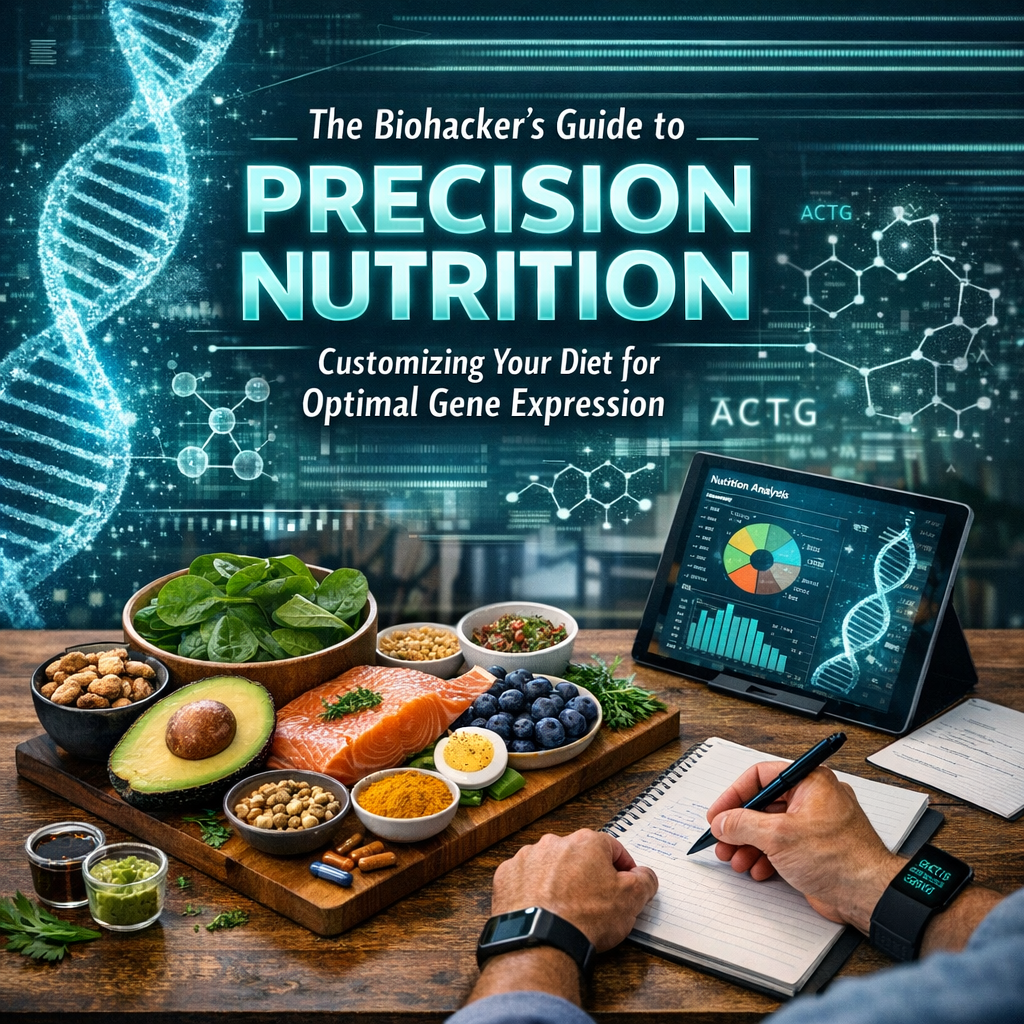
The Biohacker’s Guide to Precision Nutrition: Customizing Your Diet for Optimal Gene Expression
Introduction
In the world of health and wellness, biohacking has emerged as a revolutionary approach to optimize bodily functions through strategic lifestyle and nutritional choices. At its core, biohacking is about understanding the intricate connections between our environment, biology, and daily choices. One profound application is precision nutrition, which allows individuals to tailor their diets to enhance gene expression and improve wellbeing.
Precision nutrition involves customizing dietary plans based on genetic makeup, lifestyle, and bodily needs. It recognizes that universal dietary recommendations may not suit the individual metabolic and genetic nuances of every person. The primary aim is to modulate gene expression for optimal health outcomes. Gene expression, influenced by factors like environment, diet, and lifestyle, determines how information stored in our DNA is manifested, impacting everything from metabolism to the immune response.
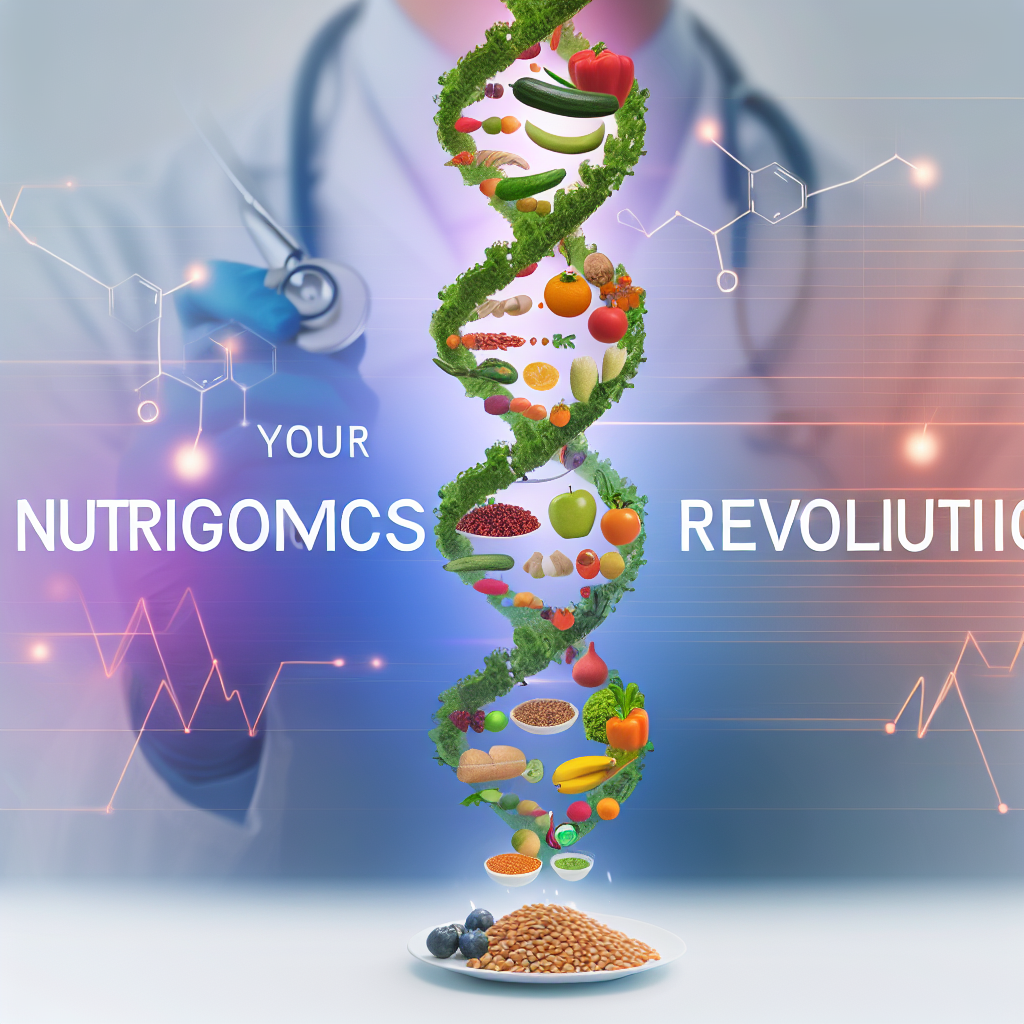
Recent advancements in nutrigenomics—the study of the interaction between nutrition and genes—have illuminated the potential of precision nutrition. This field explores how the nutrients we consume can activate, silence, or modulate genes, allowing individuals to prevent, manage, or potentially mitigate risks associated with chronic diseases through personalized eating plans.
With technological advancements in genetic testing, biohackers can gain insights into their genetic predispositions and craft dietary strategies accordingly. Foods rich in certain nutrients can influence gene expression, affecting risk factors for various health conditions. Understanding genetic variation’s impact on nutrient metabolism can lead to improved personal health outcomes.
In essence, precision nutrition is a lifestyle approach, not just a diet plan. It empowers individuals to make informed choices about nutrition, aiming for a personalized level of health. This article will explore the scientific underpinnings of precision nutrition, its everyday applications, and its potential as a transformative tool for biohackers.
Features
Several groundbreaking studies have reinforced precision nutrition’s role in modulating gene expression. A significant study published in [*Nature*](https://www.nature.com/) highlighted how personalized diets can influence microbiome composition, improving metabolic health outcomes. The study revealed that even minor dietary alterations tailored to an individual’s microbiome could significantly change blood sugar levels and other metabolic parameters.
Research in nutrigenomics has emphasized specific nutrients’ role in gene expression. For instance, omega-3 fatty acids, found in fish and flaxseeds, influence genes related to inflammation and fat metabolism. A study in the [*American Journal of Clinical Nutrition*](https://academic.oup.com/ajcn) noted that individuals with certain genetic markers benefit from omega-3 intake, reducing inflammation and improving heart health.
Another example is folic acid, a critical B vitamin in leafy greens, affecting DNA methylation-related gene expression—turning genes on and off. Research in [*The Journal of Nutrition*](https://academic.oup.com/jn) indicates that adequate folic acid intake among individuals with specific genetic polymorphisms can prevent neural tube defects and foster healthy development, highlighting the importance of precise dietary planning.
Furthermore, direct-to-consumer genetic testing tools make it feasible for individuals to gain insights into genetic predispositions. Companies like 23andMe and AncestryDNA provide reports on how genes may influence traits like diet or metabolism. These insights, when paired with diet data, guide personalized nutrition choices aligned with genetic predispositions.
These scientific discoveries apply beyond preventive measures; they enhance performance and wellbeing. As research and technology advance, personalizing nutrition to an individual’s genetic makeup will likely become integral to healthcare.
Conclusion
The fusion of biohacking and precision nutrition offers a promising frontier for optimizing health through personalized dietary interventions. By tailoring diets based on genetic makeup and leveraging nutrigenomic insights, individuals can achieve new levels of health and wellness unattainable by generic dietary recommendations. As understanding deepens and technology becomes more accessible, precision nutrition could become a cornerstone in preventive healthcare and personal health enhancement. It capitalizes on unique genetic variations, making precision nutrition an essential strategy for modern biohackers. The adage “you are what you eat” now reflects the complex interplay between food, genes, and health.
Concise Summary
Precision nutrition allows individuals to tailor their diets based on genetic makeup, optimizing gene expression for improved health. Advances in nutrigenomics show nutrients can modulate genes, influencing disease risks. Biohackers use technological advancements in genetic testing to create personalized dietary strategies, impacting metabolism and overall wellbeing. Studies highlight nutrients like omega-3 fatty acids and folic acid affect gene expression, showcasing precision nutrition’s potential to enhance health. As research and technology progress, personalizing nutrition will likely become key in healthcare, advancing performance and wellbeing. Precision nutrition is a customizable tool for modern health optimization.

Dominic E. is a passionate filmmaker navigating the exciting intersection of art and science. By day, he delves into the complexities of the human body as a full-time medical writer, meticulously translating intricate medical concepts into accessible and engaging narratives. By night, he explores the boundless realm of cinematic storytelling, crafting narratives that evoke emotion and challenge perspectives.
Film Student and Full-time Medical Writer for ContentVendor.com