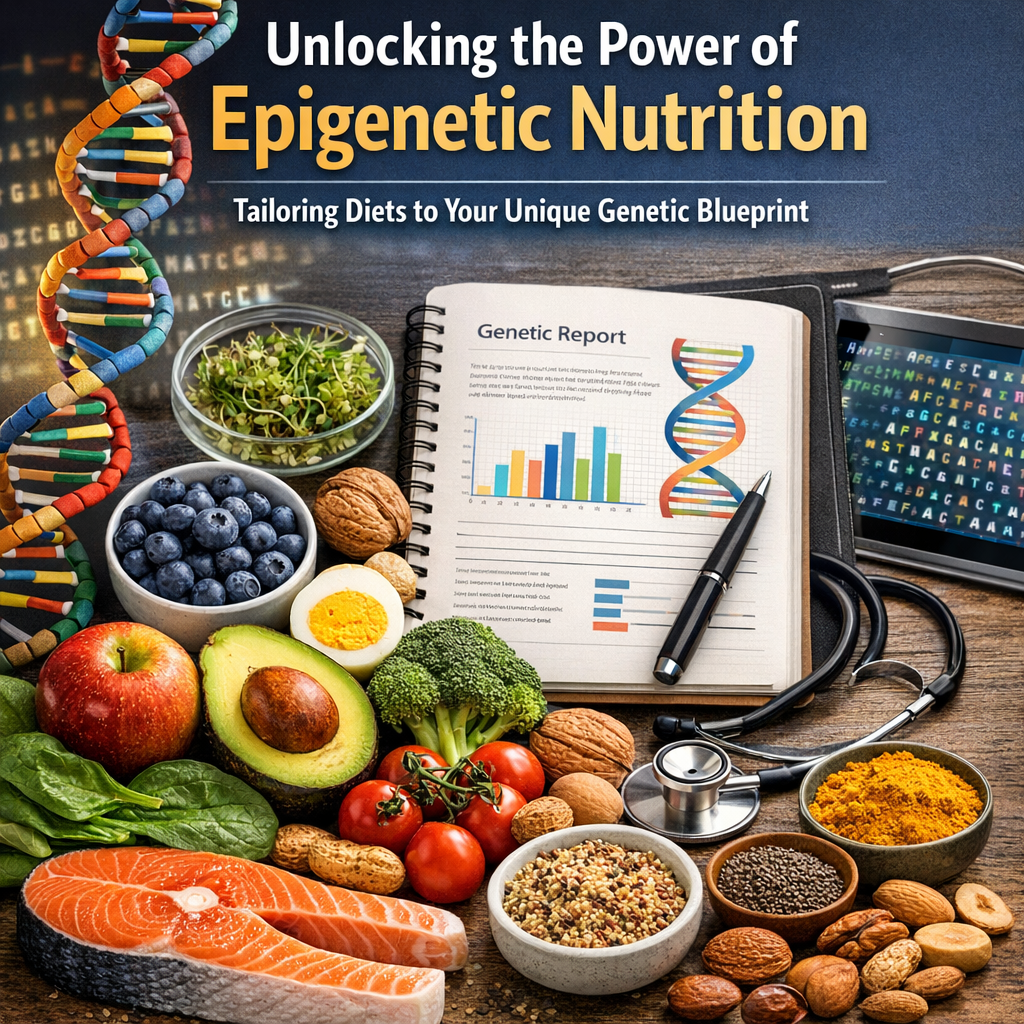
Unlocking the Power of Epigenetic Nutrition: Tailoring Diets to Your Unique Genetic Blueprint
Introduction
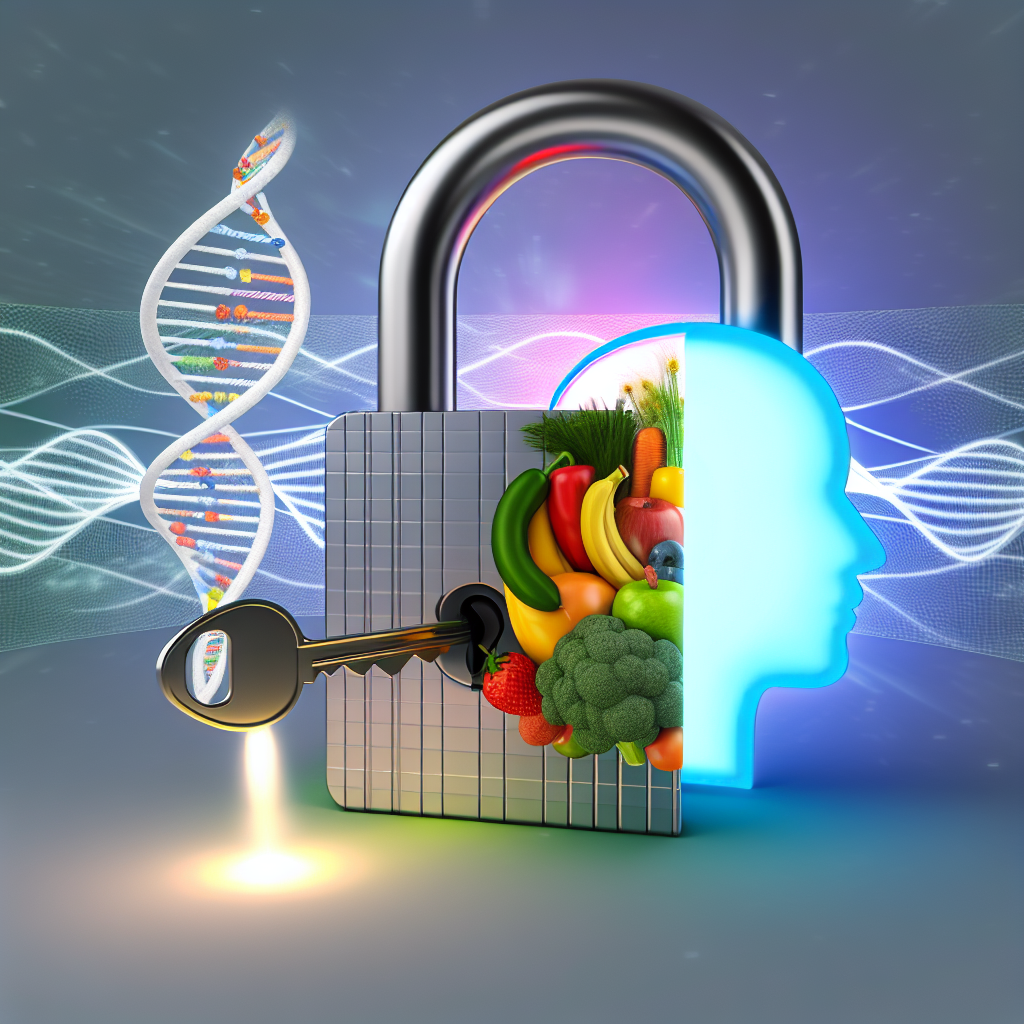
In recent years, the scientific community has shown a growing interest in the field of epigenetics, especially concerning nutrition. Epigenetic nutrition explores how our diets can influence gene expression without altering the DNA sequence itself. Our genetic destiny is not solely predetermined at birth; diet plays a significant role in unlocking or suppressing genetic expressions. This field integrates genomics, nutrition, and personalized health, unveiling new dimensions of health optimization.
Our genes lay down the architectural blueprint for our bodies. However, environmental factors, particularly diet, can shape how these blueprints are realized. Nutrient intake, chemical exposures, and lifestyle choices can turn genes “on” or “off” through the addition or removal of epigenetic markers. These modifications impact biological processes, including metabolism and disease susceptibility.
Understanding your genetic blueprint through genomic testing allows for personalized dietary recommendations, promoting optimal health. For instance, a genetic predisposition to conditions like cardiovascular disease or Type 2 diabetes can influence dietary habits that mitigate risks. Certain nutrients might be increased to enhance natural strengths or protect against weaknesses.
Epigenetic nutrition has broad implications beyond chronic disease prevention: enhancing longevity, cognitive performance, and athletic prowess through tailored nutrition. It’s a shift from one-size-fits-all to a more precise, predictive nutrition plan. As research expands our understanding, epigenetic nutrition is redefining wellness and transforming food into a key player in our genetic orchestra.
Features
The growing field of epigenetic nutrition is supported by studies highlighting the impact of diet on gene expression. A study by Waterland and Jirtle in 2003 demonstrated how maternal nutrition in mice influenced offspring characteristics. This work provided early evidence that nutrition could directly affect epigenetic marks across generations.
A study in [Nature Communications](https://www.nature.com/articles/ncomms4422) explored how dietary patterns influence epigenetic changes. It showed that individuals consuming a diet high in fruits, vegetables, and whole grains had different epigenetic profiles compared to those consuming processed foods. These findings suggest that healthy dietary habits positively influence epigenetic markers linked to inflammation and metabolic processes.
Research focusing on sulforaphane, found in cruciferous vegetables like broccoli, revealed its ability to stimulate detoxifying enzymes by modifying gene expression. This supports the principle that dietary components can modulate genetic expression.
Furthermore, studies on the [Mediterranean diet](https://www.ncbi.nlm.nih.gov/pmc/articles/PMC6334579/) indicate significant epigenetic changes associated with aging, inflammation, and cancer risk reduction. Its richness in omega-3 fatty acids, antioxidants, and polyphenols may exert protective epigenetic effects, highlighting the role of diet in health at the molecular level.
These studies underscore epigenetic nutrition’s potential for understanding how specific foods influence genetic expression and crafting personalized nutrition strategies. This approach transforms current health paradigms, encouraging individuals to think of food as a pivotal factor in shaping their genetic potential.
Conclusion
The potential of epigenetic nutrition to revolutionize wellness by empowering individuals with dietary knowledge tailored to their genetic makeup is immense. As the lines between genetics and nutrition blur, there’s newfound appreciation for diet’s profound influence on gene expression. By embracing personalized strategies, individuals can mitigate genetic risks, harness nutrient benefits, and achieve optimal health.
Epigenetic nutrition promotes a proactive approach to health, making individuals active architects of their well-being. Equipped with knowledge and tools, they can foster genetic expression aligning with health goals. As research discovers more about diet-gene interactions, the prospect of personalized nutrition inspires hope and exciting possibilities for future healthcare and nutrition landscapes.
References
– [Nature Communications](https://www.nature.com/articles/ncomms4422)
– [Waterland and Jirtle, 2003 Study](https://www.sciencedirect.com/science/article/abs/pii/S0092867403006577)
– [Mediterranean Diet and Epigenetic Changes](https://www.ncbi.nlm.nih.gov/pmc/articles/PMC6334579/)
– [Sulforaphane and Gene Expression](https://www.ncbi.nlm.nih.gov/pmc/articles/PMC3076187/)
Concise Summary
Epigenetic nutrition studies how diet influences gene expression without altering DNA. It promises personalized health solutions by integrating genomics and individualized dietary strategies based on one’s genetic makeup. Studies show how nutrients affect genetic expression, impacting disease risk and health optimization. By shifting from generic diets to personalized plans, individuals can enhance longevity, cognitive performance, and reducing disease susceptibility. As the research in this field grows, epigenetic nutrition stands to redefine our approach to wellness, offering a proactive, tailored pathway to better health.

Dominic E. is a passionate filmmaker navigating the exciting intersection of art and science. By day, he delves into the complexities of the human body as a full-time medical writer, meticulously translating intricate medical concepts into accessible and engaging narratives. By night, he explores the boundless realm of cinematic storytelling, crafting narratives that evoke emotion and challenge perspectives.
Film Student and Full-time Medical Writer for ContentVendor.com