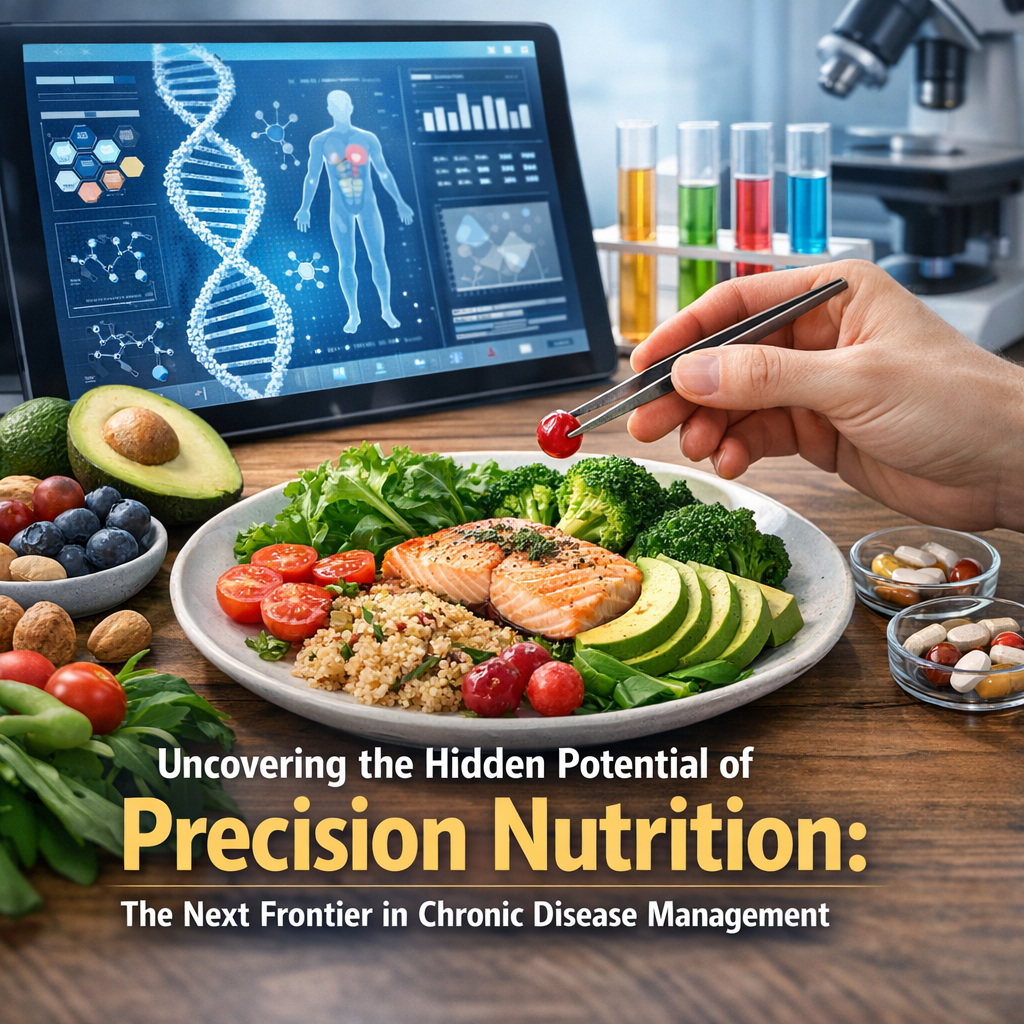
Uncovering the Hidden Potential of Precision Nutrition: The Next Frontier in Chronic Disease Management
Introduction
The global rise in chronic diseases like diabetes, cardiovascular disorders, and autoimmune conditions has placed an enormous burden on healthcare systems worldwide. These diseases not only affect quality of life but also account for a significant portion of healthcare costs. As we seek to mitigate these impacts, traditional approaches like pharmaceuticals and generalized dietary guidelines often fall short in delivering optimal outcomes for individual patients. Enter precision nutrition—a groundbreaking approach that tailors dietary recommendations to an individual’s unique genetic makeup, lifestyle, and environmental factors.
Precision nutrition goes beyond one-size-fits-all dietary advice, embracing the complexity of human biology. It leverages advances in genomics, metabolomics, and data analytics to craft nutritional interventions customized to the individual’s genetic predispositions, microbiome composition, and metabolic state. This methodology holds promise for not only preventing chronic illnesses but also managing and potentially reversing their course.
The allure of precision nutrition lies in its potential for effectiveness. By understanding how different individuals process nutrients, we can identify those who might benefit from specific dietary patterns—be it Mediterranean, low-carbohydrate, or plant-based diets. Moreover, precision nutrition enables healthcare providers to personalize strategies for nutrient supplementation and lifestyle modifications, which might otherwise be ineffective or even detrimental if applied broadly without customization.
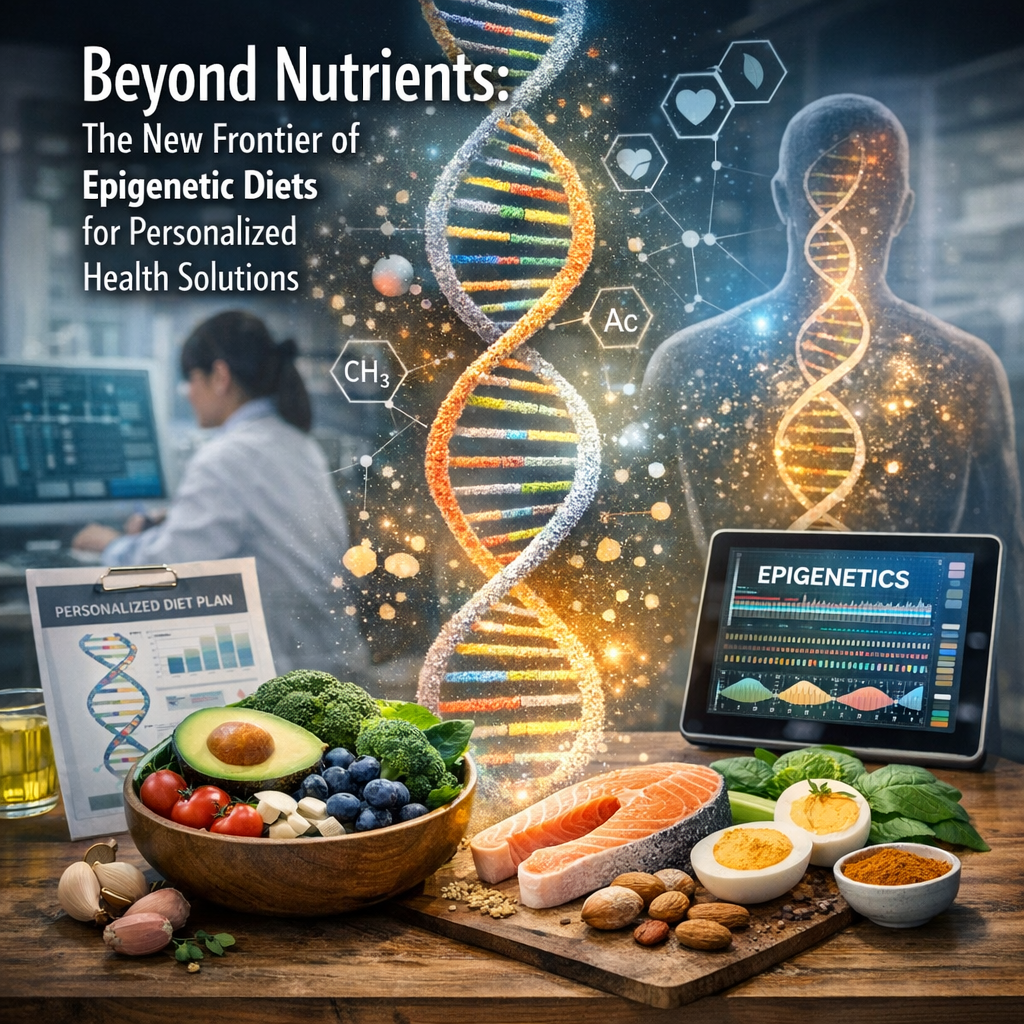
Researchers are beginning to uncover how dietary components can influence genetic expression—turning genes “on” or “off,” thereby altering disease risk factors and progression. By aligning diet to individual genetic and epigenetic profiles, we have the opportunity to enhance vitality and longevity through informed nutritional choices.
As we embark on this nutritional revolution, understanding its implications for chronic disease management becomes imperative for healthcare providers, policymakers, and individuals alike. Precision nutrition promises not just longevity but a quality of life where chronic ailments don’t hinder daily activities and well-being—a prospect that makes this field one of the most exciting frontiers in medicine today.
Features
Recent studies underscore the transformational impact of precision nutrition in chronic disease management. A landmark study published in the journal [Cell](https://www.cell.com/cell/home) explored how individualized dietary responses vary significantly even among individuals consuming identical meals. Researchers used a cohort of over a thousand individuals to demonstrate that blood glucose responses to foods were highly individualized. This variability can significantly affect disease management, particularly for conditions like diabetes where glucose control is paramount.
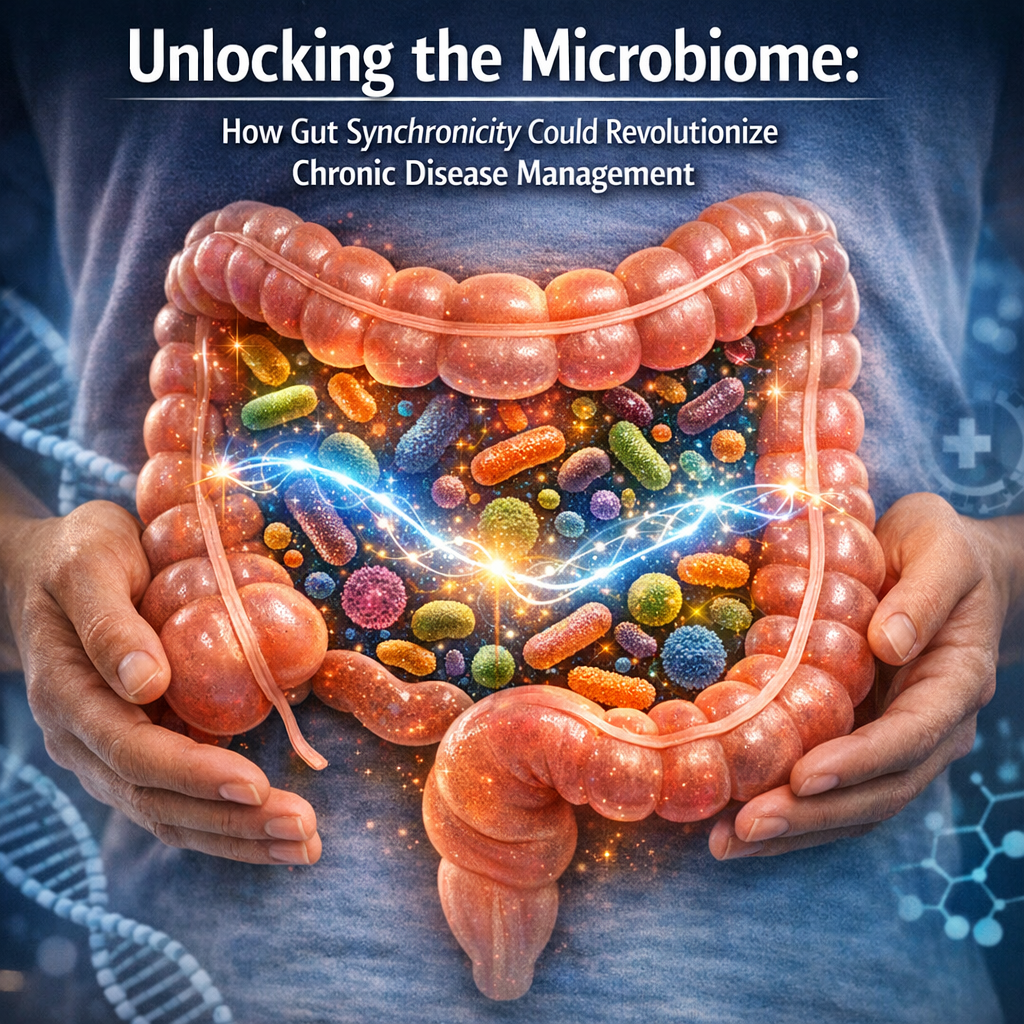
Another pivotal study conducted by King’s College London and Massachusetts General Hospital focused on the interplay between genetics, microbiome, and nutrition. Their research highlighted how gut microbiota compositions influence personalized nutritional requirements, impacting everything from weight management to cardiovascular health. This study emphasized the importance of factoring in microbiome health when crafting personalized nutrition plans, as a one-size-fits-all approach often fails to consider these critical internal influences. [Source](https://www.nature.com/nutd/)
Epigenetics is another area where precision nutrition is making strides. It involves studying how genes are turned on or off by dietary and environmental factors. A study in the journal [Nutrients](https://www.mdpi.com/journal/nutrients) explored how certain nutrients could potentially modify gene expression, influencing the progression of chronic diseases such as cancer and heart disease. For instance, compounds like sulforaphane found in cruciferous vegetables can influence the body’s capacity to detoxify potential carcinogens through genic modulation, showing promise in cancer prevention strategies.
These studies not only reflect the scientific community’s growing interest in personalized dietary recommendations but also highlight the considerable impact precision nutrition could have on both preventative and therapeutic health strategies. By integrating genomic information with dietary data, healthcare professionals are increasingly equipped to develop personalized nutrition plans that optimize health and mitigate disease risks.
Conclusion
The horizon of chronic disease management is expanding with the advent of precision nutrition. By recognizing and harnessing individual variability in dietary responses and genetic predispositions, precision nutrition could potentially transform healthcare into a more personalized and effective system. This shift promises to alleviate the burden of chronic diseases on individuals and society at large, offering more targeted and sustainable solutions than traditional dietary guidelines.
However, the successful implementation of precision nutrition strategies necessitates concerted efforts in research, education, and policy formulation. While still in its nascency, the compelling promise of precision nutrition as a tool for chronic disease management cannot be overlooked. As we continue to refine and expand this approach, its integration into everyday healthcare practices holds the potential to revolutionize not just how we treat chronic illnesses, but how we perceive and engage with food as a fundamental component of health and longevity. The path ahead calls for innovation and collaboration, guiding us toward a future where nutrition is as precise and personalized as medicine itself.
Concise Summary
Precision nutrition represents a transformative approach in chronic disease management by customizing dietary recommendations based on an individual’s genetic makeup, lifestyle, and environmental factors. Leveraging advancements in genomics, metabolomics, and data analytics, it offers personalized solutions for preventing, managing, and potentially reversing chronic illnesses like diabetes and cardiovascular disorders. Recent studies indicate its potential in controlling blood glucose and influencing gene expression, emphasizing the importance of microbiome health. Though still emerging, precision nutrition could revolutionize healthcare by aligning nutrition with individual biology, leading to more effective and sustainable chronic disease management strategies.

Dominic E. is a passionate filmmaker navigating the exciting intersection of art and science. By day, he delves into the complexities of the human body as a full-time medical writer, meticulously translating intricate medical concepts into accessible and engaging narratives. By night, he explores the boundless realm of cinematic storytelling, crafting narratives that evoke emotion and challenge perspectives.
Film Student and Full-time Medical Writer for ContentVendor.com