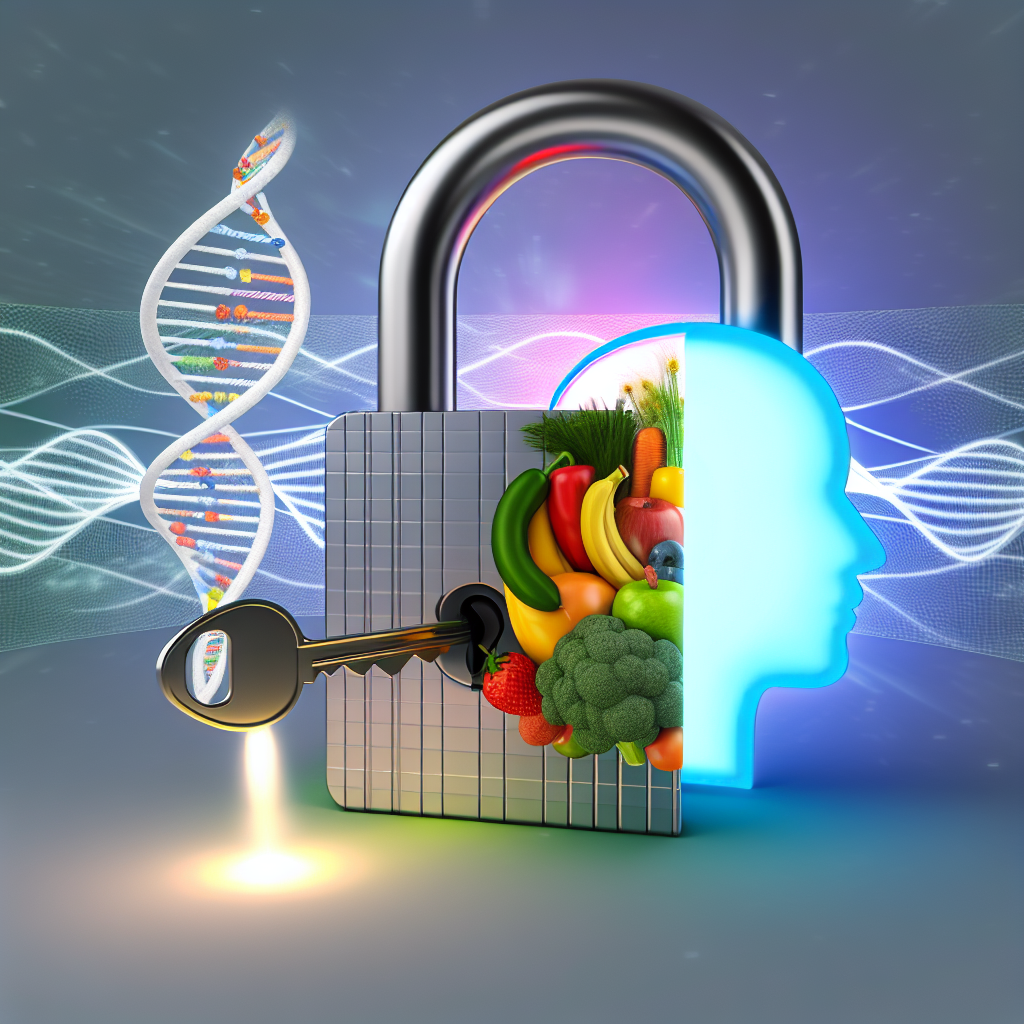
Unlocking the Epigenetic Diet: How Food Choices Alter Gene Expression for Optimal Health
Introduction
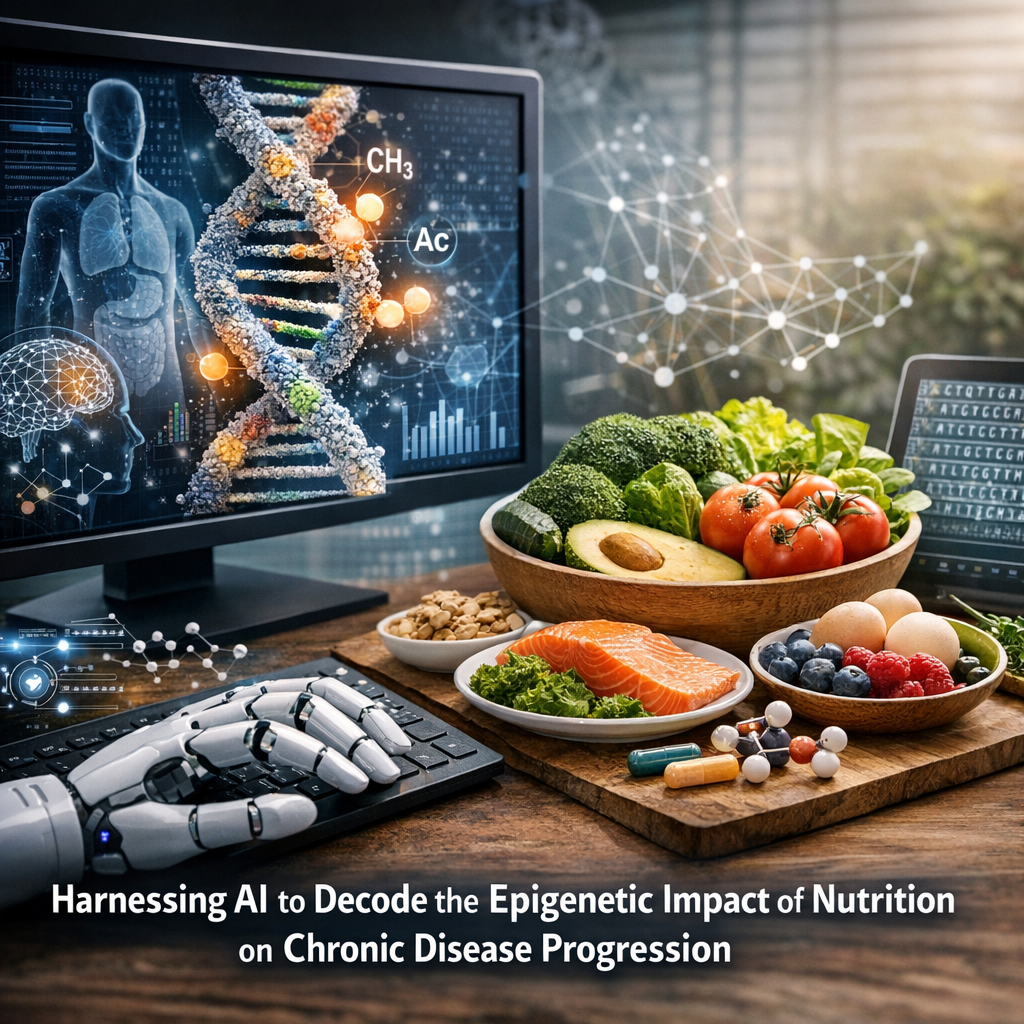
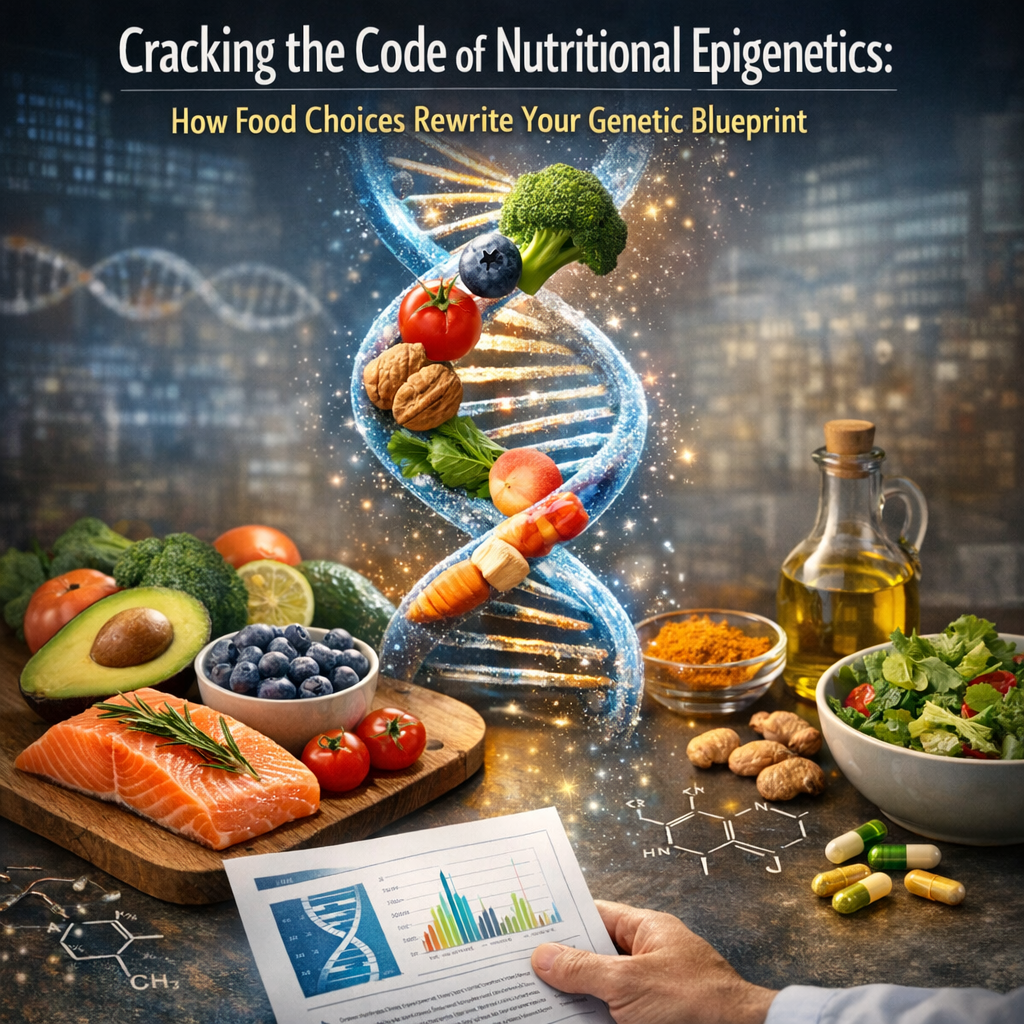
In recent years, the concept of the epigenetic diet has emerged as a fascinating frontier in the world of nutritional science and holistic health. At the heart of this approach is the groundbreaking understanding that our food choices can directly influence gene expression, steering the course of our health well beyond what traditional nutritional wisdom could envision. The term “epigenetics” refers to the study of changes in gene function that do not involve alterations to the underlying DNA sequence. These epigenetic markers can be influenced by several factors, including our environment, lifestyle, and critically, our diet.
The idea that we can potentially switch genes on or off with our eating habits is an exciting prospect with significant implications for preventing and managing various health conditions. Conditions like cancer, diabetes, obesity, and even neurological disorders have been linked to epigenetic changes, suggesting that diet could play a crucial role in not only treatment but also in prevention.
To appreciate how food can alter our gene expression, we need to understand the mechanics of epigenetic modifications. These include processes such as DNA methylation, histone modification, and RNA-associated silencing. Imagine your genes are like a vast control panel; epigenetic markers are the switches and dials that can enhance or suppress the function of these genes. By selecting particular nutrients and bioactive compounds found in foods, we can modulate these switches, promoting optimal health outcomes.
Foods rich in vitamins B, D, and E, omega-3 fatty acids, and antioxidants from fruits and vegetables, as well as bioactive compounds in spices and herbs, are among those that have been implicated in beneficial epigenetic modifications. Research is in the nascent stages, but evidence is accumulating that these dietary components serve as potent modulators of gene expression. Understanding and integrating an epigenetic approach into our dietary habits thus holds the promise of a tailored nutritional strategy to mitigate the risks associated with various diseases and optimize overall health.
Features
As researchers delve deeper into the link between diet and epigenetics, numerous studies have begun to bolster the idea that dietary choices can significantly impact gene expression and, by extension, health outcomes. A seminal study published in the [*Journal of Nutritional Biochemistry*](https://www.journals.elsevier.com/the-journal-of-nutritional-biochemistry) explored the effects of diet on DNA methylation and gene expression. The study found that nutrients such as folate, choline, betaine, and B vitamins can serve as methyl donors, influencing DNA methylation processes that play a critical role in gene regulation.
Another pivotal research published in [*Nature Reviews Genetics*](https://www.nature.com/nrg/) highlighted the impact of bioactive food components like polyphenols, phytochemicals found in tea, cocoa, and various fruits, on histone modifications. These components can cross cell membranes and exert modulatory effects on histones, thus altering chromatin structure and gene expression in processes related to aging and inflammation.
The [*American Journal of Clinical Nutrition*](https://academic.oup.com/ajcn) carries a study focusing on omega-3 fatty acids found in fish oils and their involvement in reducing inflammation by modulating specific genes associated with the inflammatory response. This work suggests a clear epigenetic mechanism where omega-3s suppress gene expression that would otherwise lead to chronic inflammatory conditions.
Additionally, a study in the [*Journal of Clinical Epigenetics*](https://www.clinical-epigeneticsjournal.com/) reviewed how compounds such as curcumin from turmeric and resveratrol found in red wine contribute to the demethylation or acetylation of histones, showcasing protective effects against cancer progression and the suppression of oncogenes.
These examples underscore a rapidly expanding research engagement with diet-induced epigenetic changes. They invite us to reconsider our daily nutritional choices not only for their caloric value or macronutrient profile but as strategic elements that can actively contribute to genomic health and disease prevention.
Conclusion
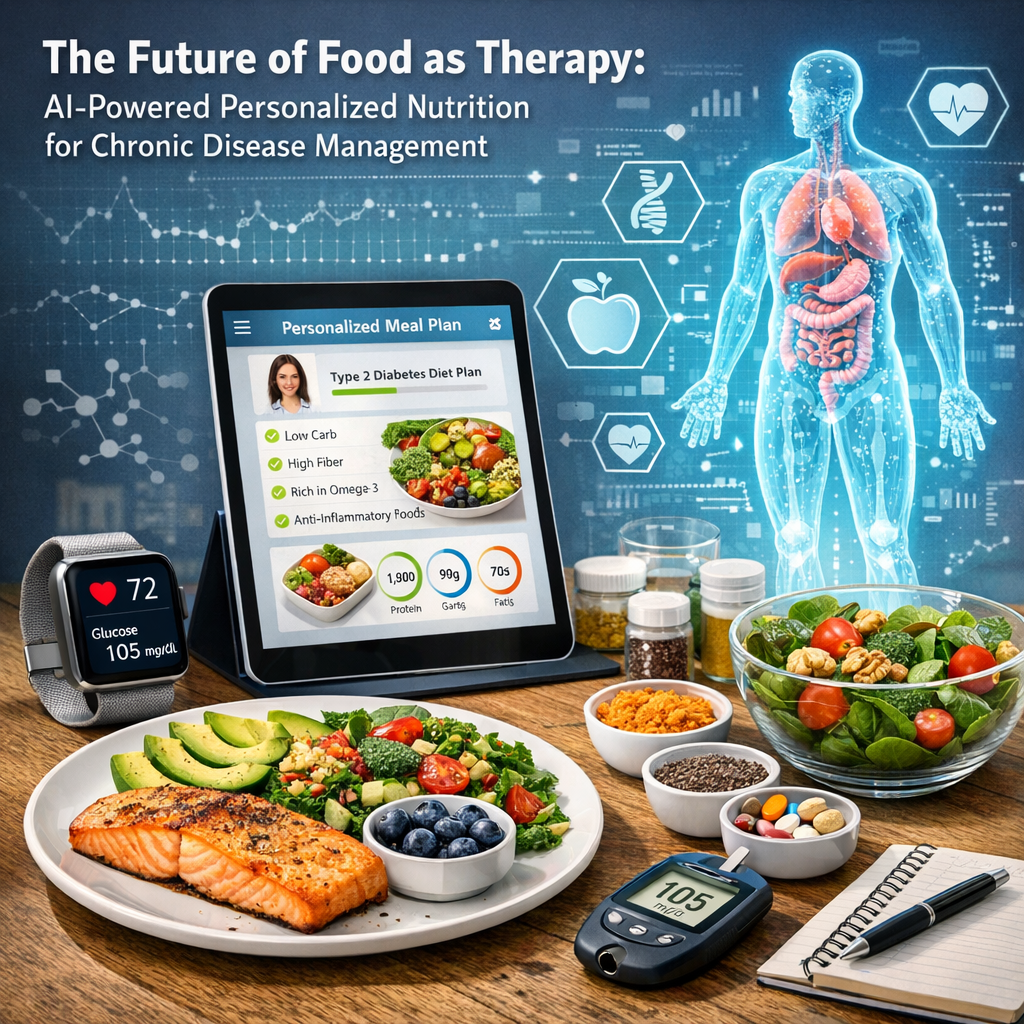
The concept of the epigenetic diet represents a paradigm shift in our understanding of nutrition and health. While research is still evolving, the evidence so far suggests that we wield significant control over our genetic destiny through the foods we consume. By harnessing the power of food to influence gene expression, we can pave the way for individualized dietary interventions aimed at optimizing health and preventing disease.
Incorporating nutrient-rich foods that promote beneficial epigenetic changes into our diet can be a proactive step towards a healthier future. As science continues to unravel the complexities of the epigenome, a thoughtful, epigenetically informed diet can empower us to take charge of our health fate in a manner that complements conventional approaches to wellness and disease management.
Concise Summary:
The epigenetic diet is an emerging concept in nutritional science, highlighting how our food choices can impact gene expression without altering DNA sequences. By understanding mechanisms like DNA methylation and histone modification, we can optimize health and prevent diseases such as cancer, diabetes, and obesity. Research shows that nutrients like vitamins B, D, and E, omega-3 fatty acids, and bioactive compounds can modulate gene expression. This pioneering approach suggests that individuals can influence their genetic destiny through diet, opening avenues for personalized nutrition plans and proactive health strategies.

Dominic E. is a passionate filmmaker navigating the exciting intersection of art and science. By day, he delves into the complexities of the human body as a full-time medical writer, meticulously translating intricate medical concepts into accessible and engaging narratives. By night, he explores the boundless realm of cinematic storytelling, crafting narratives that evoke emotion and challenge perspectives.
Film Student and Full-time Medical Writer for ContentVendor.com