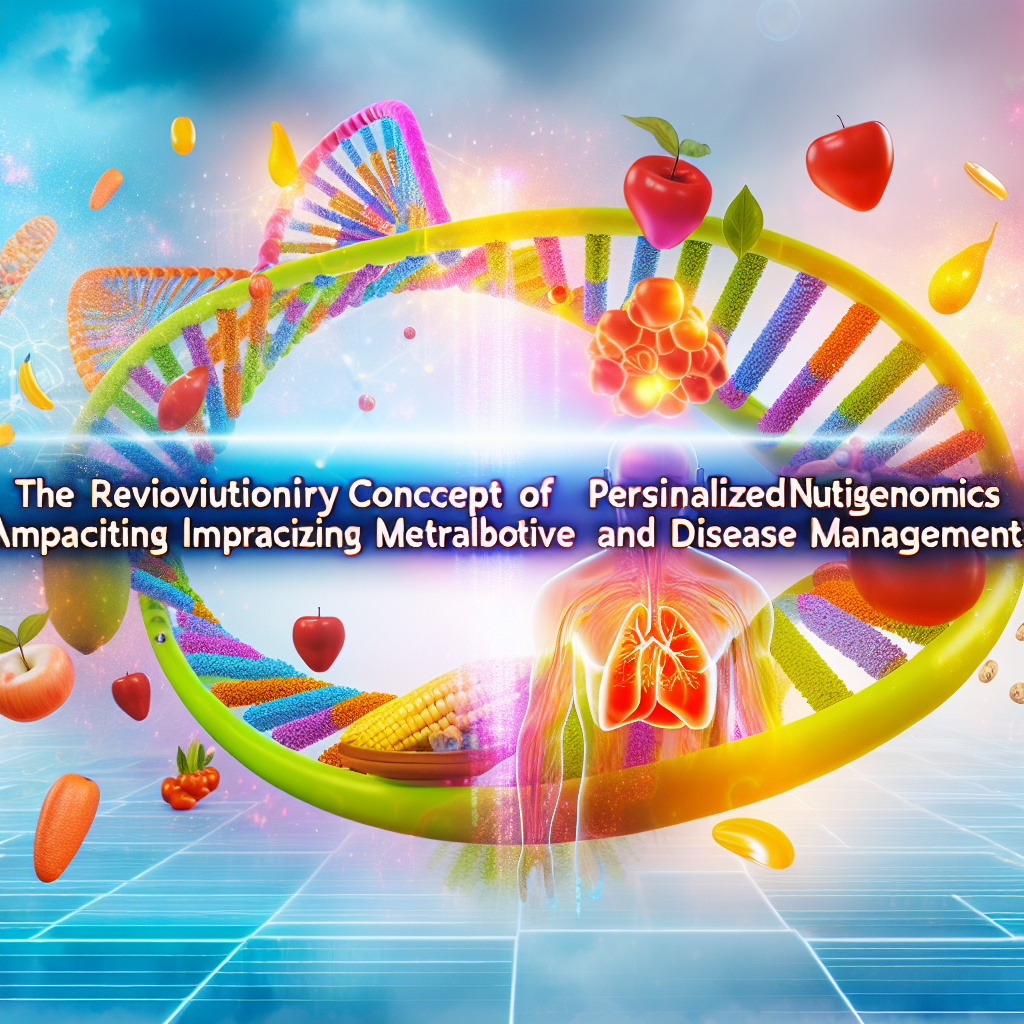
Revitalizing Metabolism: How Personalized Nutrigenomics are Revolutionizing Disease Management
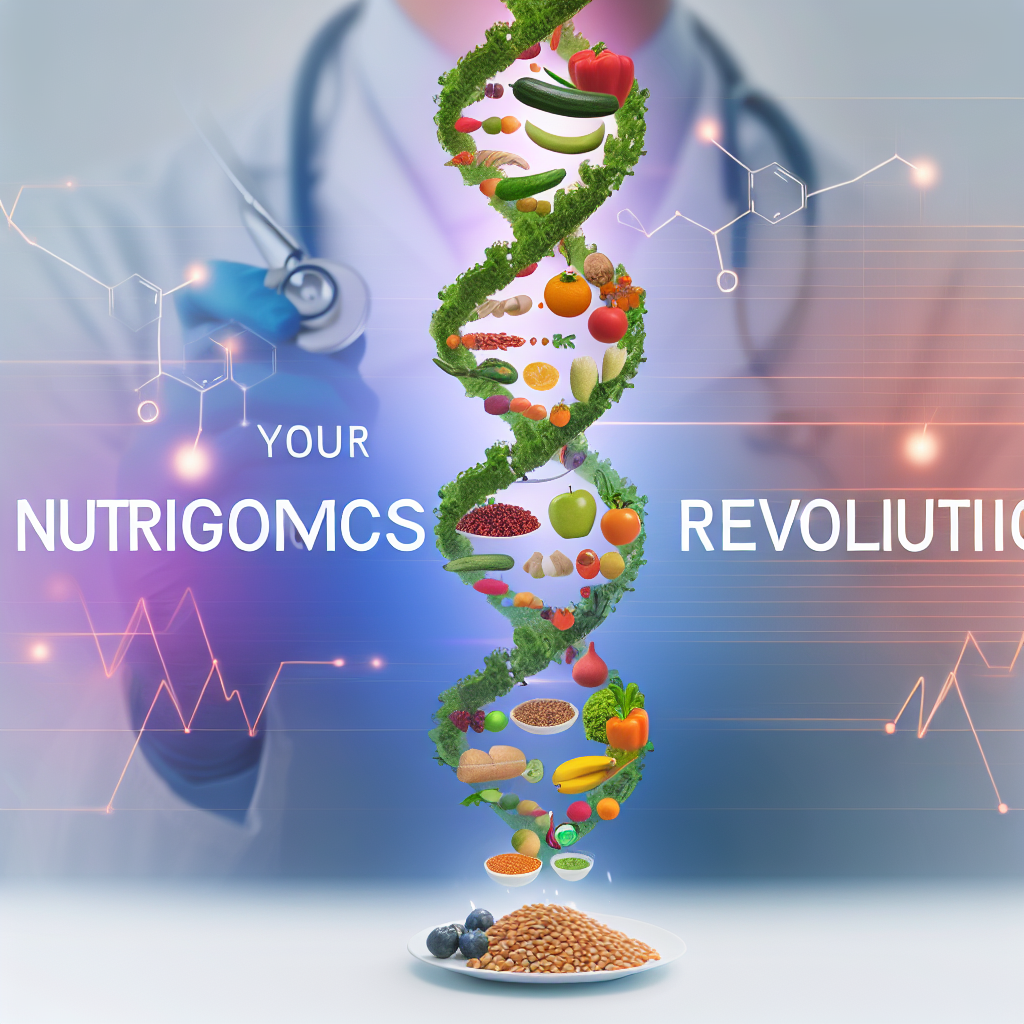
In the rapidly evolving landscape of health and wellness, the intersection of personalized nutrition and genetics has given rise to a groundbreaking field known as nutrigenomics. This innovative approach delves into how our genes interact with the nutrients we consume, paving the way for tailored dietary interventions aimed at optimizing health outcomes. In particular, nutrigenomics is proving to be a game-changer in the realm of metabolism and disease management, offering new avenues for tackling chronic illnesses such as diabetes, obesity, and cardiovascular disorders.
Metabolism, the set of life-sustaining chemical reactions within our bodies, is integral to how efficiently we convert food into energy. Variations in metabolic efficiency among individuals are influenced by a myriad of factors, including genetics, lifestyle, and dietary habits. As a result, a one-size-fits-all approach to diet and health management is increasingly being recognized as inadequate.
Enter the era of personalized nutrigenomics, where cutting-edge technology and scientific research are harnessed to decode the unique genetic makeup of individuals. By understanding how specific genetic variants affect nutrient metabolism, health experts can craft personalized dietary recommendations that address metabolic inefficiencies at the root level. This not only aids in managing existing health conditions but also plays a crucial role in disease prevention.
One example of the potential of nutrigenomics is its application in managing Type 2 Diabetes. Traditionally managed through medication and generic dietary advice, diabetes care is now being revolutionized through nutrient-gene interactions. Certain genetic markers are known to influence insulin sensitivity and carbohydrate metabolism, enabling the formulation of diet plans that curb insulin resistance and stabilize blood sugar levels more effectively.
Moreover, obesity, a complex condition influenced by both behavior and biology, finds a potent ally in nutrigenomics. By identifying genetic predispositions to weight gain or loss, experts can recommend highly targeted nutritional strategies. For instance, individuals with a genetic tendency towards slower fat metabolism can benefit from diets that are high in protein and low in refined carbohydrates, tailored to their unique biological makeup.
Features:
The promise of nutrigenomics is backed by a growing body of scientific research. A study published in the Journal of Nutrigenetics and Nutrigenomics highlights how nutrigenomic interventions can significantly impact metabolic pathways. Researchers found that individuals who received diet plans based on their genetic data experienced greater weight loss and improved metabolic markers compared to those who followed standard dietary guidelines.
Furthermore, a study published in the American Journal of Clinical Nutrition explored the impact of personalized nutrition on cardiovascular health. Participants who adhered to a nutrigenomically tailored diet regimen demonstrated reduced levels of LDL cholesterol and triglycerides, suggesting a promising role for personalized nutrition in mitigating heart disease risk.
Additionally, research conducted by the European Journal of Human Genetics has shed light on specific gene-diet interactions that influence metabolic syndrome. By examining a cohort of individuals with varied genetic backgrounds, researchers found that adherence to a Mediterranean diet significantly improved metabolic syndrome parameters, especially in those with a particular genetic variant associated with obesity and metabolic dysregulation.
These studies underscore the transformative potential of nutrigenomics in disease management. By leveraging genetic insights, healthcare providers can not only enhance the effectiveness of dietary interventions but also empower individuals to take proactive steps towards better health outcomes.
Conclusion:
In conclusion, the integration of nutrigenomics into personalized healthcare is revolutionizing the way we approach disease management. By tapping into the unique genetic blueprints of individuals, this approach offers a customized pathway for optimizing metabolism and tackling chronic health conditions. As scientific understanding deepens and technology advances, the potential for nutrigenomics to reshape the landscape of healthcare is immense. For those seeking natural cures and holistic health solutions, this cutting-edge field offers a promising avenue for not only managing existing diseases but also enhancing overall well-being through tailored nutritional strategies. The era of one-size-fits-all is fading, giving way to a personalized approach that holds the promise of a healthier future for all.
Concise Summary
The field of nutrigenomics merges genetic insights with personalized nutrition to revolutionize disease management, particularly for metabolic disorders like diabetes, obesity, and cardiovascular diseases. By understanding gene-nutrient interactions, tailored dietary interventions can optimize health outcomes and disease prevention. Research shows significant benefits in following diets personalized to individual genetics, such as improved weight loss and metabolic markers for Type 2 diabetes and cardiovascular health improvement. Nutrigenomics offers a customized pathway, replacing the outdated one-size-fits-all approach, enhancing overall well-being through scientifically backed, personalized, dietary strategies.

Dominic E. is a passionate filmmaker navigating the exciting intersection of art and science. By day, he delves into the complexities of the human body as a full-time medical writer, meticulously translating intricate medical concepts into accessible and engaging narratives. By night, he explores the boundless realm of cinematic storytelling, crafting narratives that evoke emotion and challenge perspectives.
Film Student and Full-time Medical Writer for ContentVendor.com