Harnessing Nutritional Genomics: Designing Personalized Diets for Maximum Health Impact
Introduction
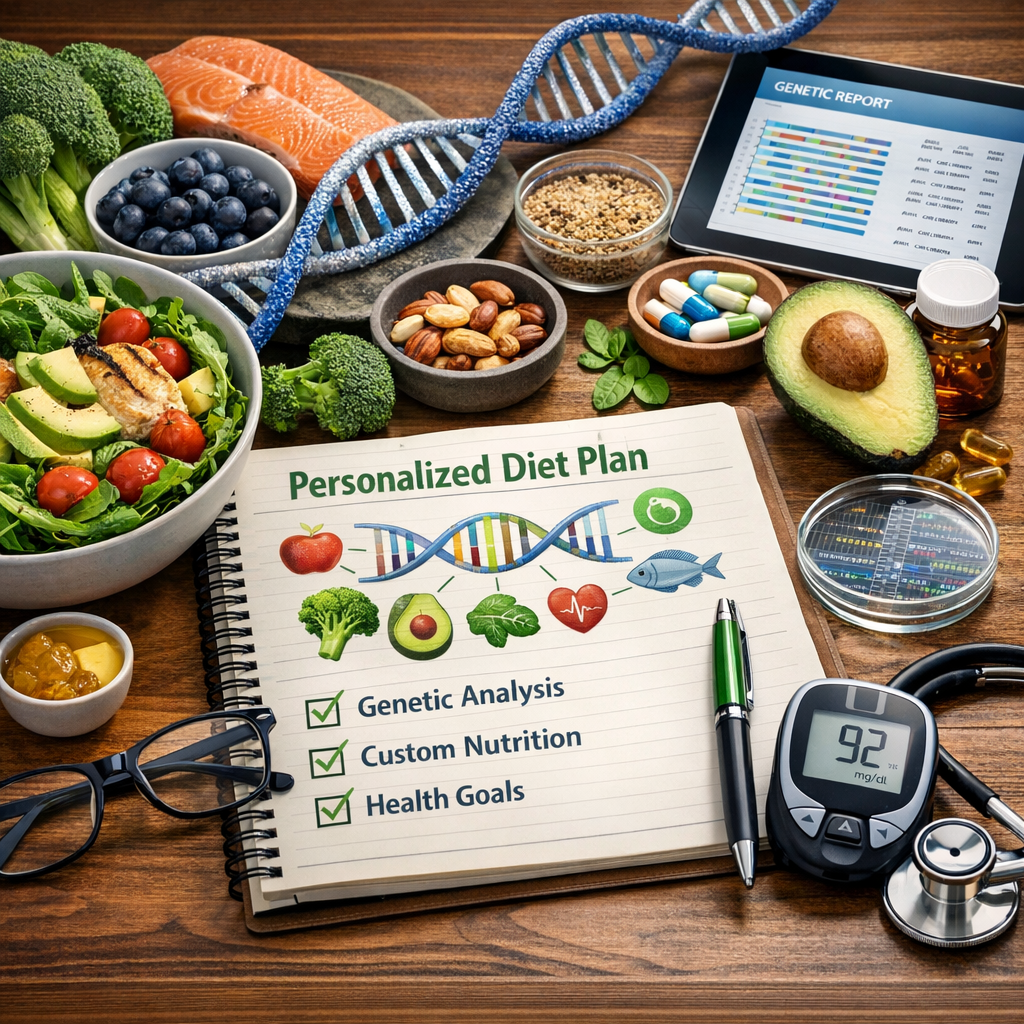
In recent years, the intersection of nutrition and genetics has forged a new frontier in health science known as nutritional genomics or nutrigenomics. This emerging discipline explores how our genetic make-up interacts with our dietary choices to influence our health. The intuitive allure of nutrigenomics lies in its promise of personalized nutrition—diets tailored specifically to an individual’s genetic profile, potentially maximizing health benefits and mitigating disease risks.
Understanding the influence of genetics on nutrition transcends the conventional one-size-fits-all dietary approach. Traditionally, dietary recommendations have been largely uniform, based on broad epidemiological findings rather than personal genetic differences. However, as scientific advancements unravel the complexities of the human genome, it’s becoming apparent that individual genetic variability significantly affects how nutrients are metabolized and utilized in the body. As a result, what may be a perfect diet for one person could be less effective, or even detrimental, for another.
The advent of nutrigenomics offers a myriad of possibilities for health optimization. By examining specific genetic markers, scientists can identify susceptibilities to conditions like obesity, diabetes, and cardiovascular disease. For example, certain genetic variations, such as the FTO gene, have been linked to an increased risk of obesity. Understanding these predispositions allows for targeted dietary interventions that can counteract potential health issues before they manifest.
Moreover, personalized nutrition extends beyond just disease prevention. It’s also about enhancing overall well-being and performance. Athletes, for instance, have long sought individualized diets to boost performance and recovery. With nutritional genomics, these efforts can be fine-tuned, providing more precise dietary guidelines that align with one’s genetic predispositions.
Overall, the incorporation of nutritional genomics into dietary planning represents a paradigm shift in the way we approach nutrition and health. With its potential to transform global health outcomes, nutrigenomics is poised to become a cornerstone of modern personalized medicine and nutrition science.
Features
Several pivotal studies underscore the potential of nutritional genomics to revolutionize personalized diet and health management. One standout study is the FTO (Fat Mass and Obesity-associated) gene research, published in the journal Nature Genetics. This study identified a common variant of the FTO gene that is associated with increased body mass index (BMI) and a heightened risk of obesity. The study highlights the importance of considering genetic variances when devising dietary plans. By recognizing individuals with this gene variant, nutritionists can recommend specific lifestyle changes, such as increased physical activity or particular dietary adjustments to mitigate obesity risk.
Another notable investigation is the PREDICT study, the largest ongoing nutritional study to assess how individuals metabolize foods differently. Conducted by researchers from King’s College London and Massachusetts General Hospital, it incorporates data from over a thousand participants. The study concluded that identical meals often provoke substantially different responses among individuals when evaluating blood sugar, insulin, and triglyceride levels. These findings emphasize the need for personalized dieting approaches that take genetic and metabolic diversity into account. Refer to the PREDICT Study for more details.
Furthermore, a study published in Nutrigenetics and Nutrigenomics examined the impact of specific nutrients on genetic expression and health outcomes. The research explored the relationship between gene-diet interactions and various health conditions, including cardiovascular disease and metabolic syndrome. The authors asserted that a better understanding of these interactions could lead to more effective dietary interventions tailored to suppress or activate genes involved in disease pathways.
These studies build the scientific foundation for nutritional genomics, reinforcing the notion that personalized nutrition may significantly enhance health outcomes. The exploration of gene-diet interactions continues to pave the way for more customized diets, leading to a greater potential for disease prevention and health optimization.
Conclusion
Harnessing nutritional genomics for personalized dietary planning represents a substantial leap forward in nutrition science. By tailoring diets to align with individual genetic profiles, we can achieve significant strides in health management, disease prevention, and overall well-being. As the field of nutrigenomics evolves, the integration of genetic insights into nutritional practices holds the promise of not only enhancing individual health outcomes but also reshaping global public health strategies. Personalization in diet is becoming a possibility that paves the way for a healthier future, where care and prevention are tailored to the uniqueness of each individual. As this scientific frontier expands, the collaboration between geneticists, nutritionists, and medical professionals will be crucial in unfolding the full potential of nutrigenomics, making personalized nutrition an accessible reality for all.
Concise Summary
Nutritional genomics, or nutrigenomics, is an emerging field that explores the interaction between genetics and diet to personalize nutrition. By considering genetic variability, nutrigenomics moves beyond one-size-fits-all dietary guidelines. The research identifies genetic predispositions to conditions like obesity and recommends targeted dietary interventions. Key studies, such as those on the FTO gene and the PREDICT study, emphasize the necessity of personalized diets crafted on individual metabolic responses. Nutrigenomics promises not only improved individual health but also transformative impacts on global health strategies. Its evolution marks a shift towards personalized nutrition as a fundamental aspect of modern health science.

Dominic E. is a passionate filmmaker navigating the exciting intersection of art and science. By day, he delves into the complexities of the human body as a full-time medical writer, meticulously translating intricate medical concepts into accessible and engaging narratives. By night, he explores the boundless realm of cinematic storytelling, crafting narratives that evoke emotion and challenge perspectives.
Film Student and Full-time Medical Writer for ContentVendor.com