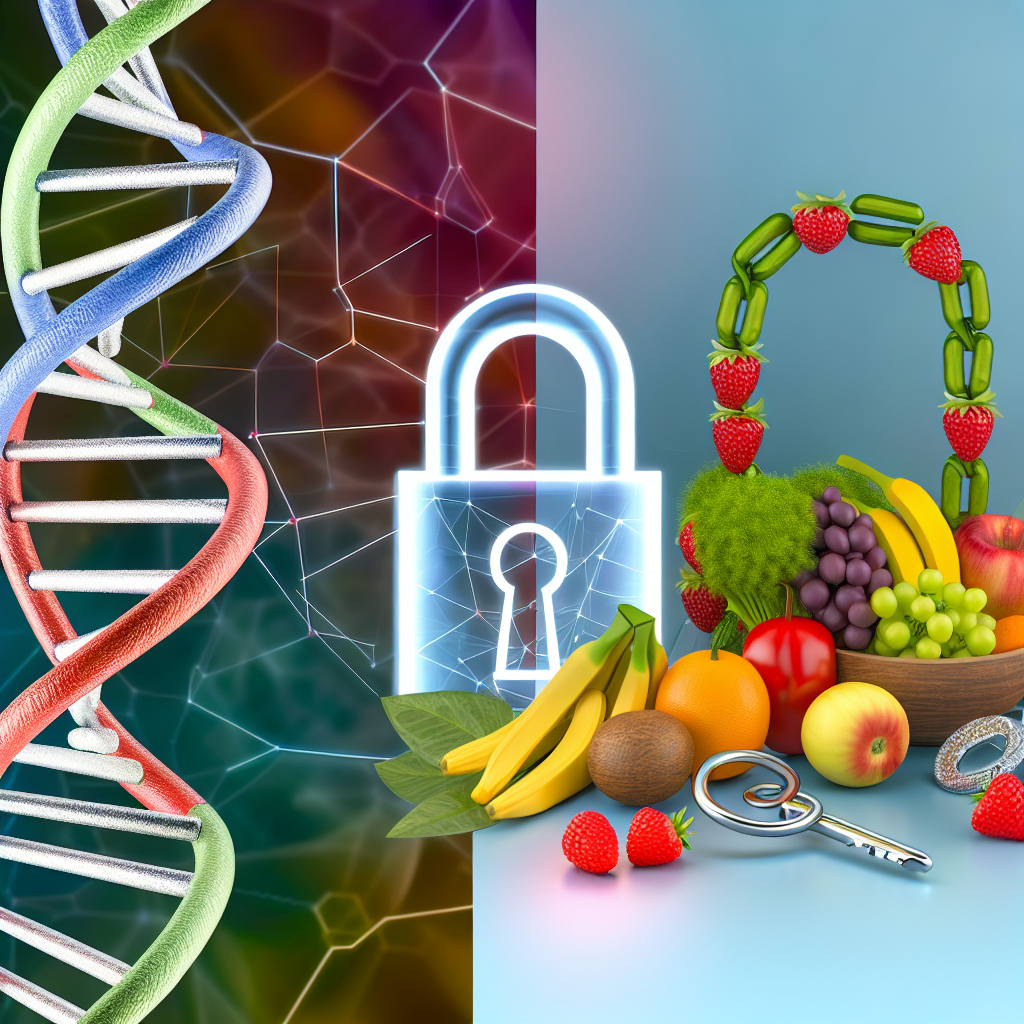
Unlocking Epigenetic Potential: How Food as Medicine Can Reshape Your Genetic Destiny
In recent years, the notion of “food as medicine” has gained significant traction among health enthusiasts and researchers alike. Central to this concept is the field of epigenetics, which studies how lifestyle and environmental factors can alter the expression of our genes. This exciting frontier suggests that while our genetic code—our DNA—provides the essential blueprint of who we are, it is not a fixed destiny. Instead, it is highly dynamic and can be influenced by our diet, stress levels, exposure to toxins, and more.
Mechanisms of Epigenetic Change
Epigenetics operates through mechanisms such as DNA methylation, histone modification, and non-coding RNAs, which do not change the DNA sequence but affect how genes are turned on or off. Essentially, epigenetic changes can determine whether certain genetic dispositions manifest or remain dormant. This revolutionary understanding poses a powerful implication: the foods we consume daily can have a profound impact on our gene expression, potentially steering us away from genetic predispositions to certain diseases.
With the rise of chronic illnesses such as cardiovascular disease, diabetes, and various forms of cancer, understanding food’s potential to act as medicine is crucial. Moreover, the increasing popularity of natural cures, homeopathic remedies, and herbal treatments highlights a shift towards embracing holistic health approaches that focus on prevention rather than simply addressing symptoms.
Food Compounds Affecting Gene Expression
For instance, compounds found in turmeric, such as curcumin, have been shown to influence gene expression related to inflammation and immune response. Similarly, the consumption of cruciferous vegetables like broccoli can activate certain detoxification genes through epigenetic modifications. Such examples underscore the relevance and potential of dietary choices in modifying health trajectories.
The adage “you are what you eat” takes on a scientific dimension with epigenetics. By understanding and leveraging this knowledge, individuals can make informed dietary decisions that not only nourish the body but also guide genetic expression towards optimal health outcomes. This article explores how the integration of foods as a medicinal tool offers a pathway to reshape our genetic destiny and forge a healthier future.
Professional and Medical Studies on Epigenetic Nutrition
The potential of food as an epigenetic agent is supported by a growing body of scientific research. Several studies have provided insights into how specific nutrients can impact our gene expression, offering promising pathways for disease prevention and health optimization.
A pivotal study published in “Nature” demonstrated that maternal diet during pregnancy could affect the epigenetic status of offspring, thereby influencing their metabolic and cardiovascular health. The research emphasized how early nutritional interventions could set the stage for favorable health outcomes, fundamentally altering genetic risks.
Furthering this discourse, a study in “The American Journal of Clinical Nutrition” explored the role of folate—a B-vitamin found in leafy greens—in modifying epigenetic markers related to cancer. It was observed that adequate folate intake was associated with favorable changes in DNA methylation patterns, reducing cancer risk.
Another compelling piece of research in “Epigenetics & Chromatin” identified sulforaphane, a compound in broccoli, as a potent agent capable of altering gene expression related to detoxification and anti-inflammatory pathways. This bolsters the notion that consuming such foods can foster a healthy cellular environment through epigenetic modulation.
Moreover, the anti-inflammatory properties of omega-3 fatty acids, found in fatty fish, have been highlighted for their ability to influence gene expression associated with inflammation and immunity. A study published in “Nutrients” supports this by showing how regular consumption of omega-3-rich foods can lead to downregulation of pro-inflammatory genes, with potential benefits for conditions like rheumatoid arthritis and heart disease.
Collectively, these studies underscore a paradigm shift from a fixed genetic outlook to a more malleable genetic expression shaped by diet. They suggest a transformative potential, where our daily food choices can amplify beneficial genes and suppress those that predispose us to illness.
Conclusion
As we embrace the marriage of nutrition science and genetics, the understanding that food can serve as medicine opens unprecedented opportunities for health and longevity. Epigenetics underscores the influence of lifestyle choices on genetic expression, making it possible to alter our susceptibility to various diseases. By integrating nutrient-rich foods into our diets—much like one would implement natural cures or herbal therapies—we engage in proactive health management that could redefine our genetic futures.
Realizing the full potential of food as medicine requires a thoughtful, informed approach. Individuals keen on optimizing their health should consider consulting nutrition experts for personalized dietary strategies tailored to their unique genetic and health profiles. As science progresses, embracing food’s medicinal properties could ultimately lead us towards a future where our genetic destiny is one of vibrant wellness and disease resistance.
References
1. Waterland, R. A. et al. (2008). “Transposable elements: targets for early nutritional effects on epigenetic gene regulation.” Molecular and Cellular Biology, 28(5), 1900-1910. Nature Article
2. Kim, Y. I. et al. (2005). “Folate and DNA methylation.” The American Journal of Clinical Nutrition, 82(3), 550-557. AJCN Article
3. Myzak, M. C. et al. (2006). “Sulforaphane enhances histone acetylation and inhibits growth of human PC-3 xenografts in nude mice.” Epigenetics & Chromatin. Epigenetics Article
4. Calder, P. C. (2012). “Mechanisms of Action of (n-3) Fatty Acids.” The Journal of Nutrition, 142(3), 592S-599S. Nutrients Article
Concise Summary
The notion of “food as medicine” is grounded in the study of epigenetics, which examines how lifestyle and environmental factors influence gene expression. While our genetic code provides a basic blueprint, it can be altered by diet, stress, and toxins. Recent research reveals mechanisms like DNA methylation that can be influenced by nutrition, with significant health implications. Studies link compounds from foods like turmeric, broccoli, and omega-3-rich fish to gene expression changes that may prevent diseases. This transformative understanding highlights the potential of dietary choices to shape a healthier genetic destiny, advocating for a proactive, informed approach to nutrition.

Dominic E. is a passionate filmmaker navigating the exciting intersection of art and science. By day, he delves into the complexities of the human body as a full-time medical writer, meticulously translating intricate medical concepts into accessible and engaging narratives. By night, he explores the boundless realm of cinematic storytelling, crafting narratives that evoke emotion and challenge perspectives.
Film Student and Full-time Medical Writer for ContentVendor.com