Decoding the Future of Nutrition: Leveraging AI to Personalize Diets for Metabolic Mastery and Inflammation Control
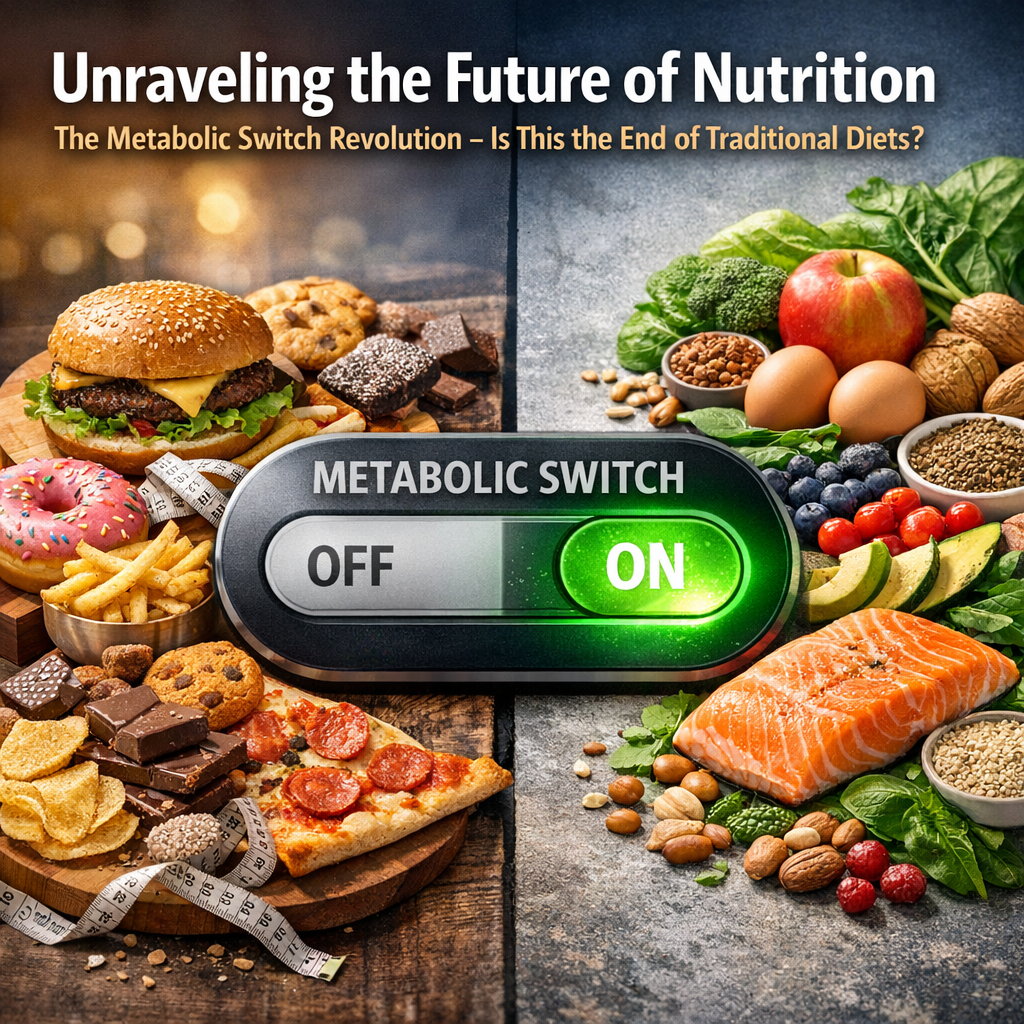
In recent years, the realm of nutrition has undergone a transformative shift. With the integration of technology, particularly artificial intelligence (AI), personalized diets tailored to individual metabolic needs and inflammation control have gained prominence. At the heart of this evolution is the growing realization that a one-size-fits-all approach is suboptimal for dietary strategies. Instead, leveraging AI to decode the intricate complexities of human metabolism offers a revolutionary pathway to optimizing health and wellness.
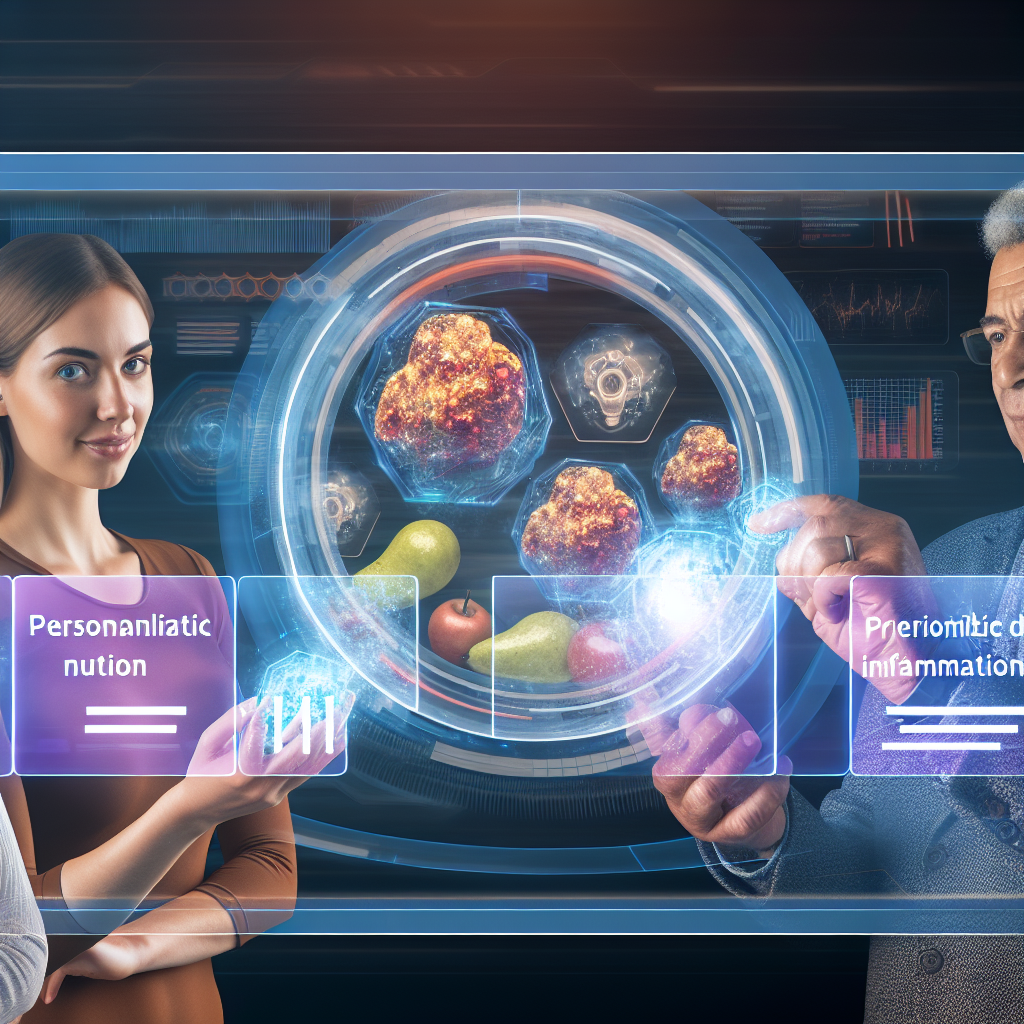
The significance of personalized nutrition lies in acknowledging the diversity of human bodies. Factors such as genetics, lifestyle, and environmental conditions all play a critical role in how we metabolize food. The link between chronic inflammation and various health issues, like heart disease, diabetes, and autoimmune disorders, has underscored the importance of individualized dietary strategies. AI has the potential to analyze vast datasets, identify patterns, and deliver nutritional advice that is uniquely suited to an individual’s biological makeup.
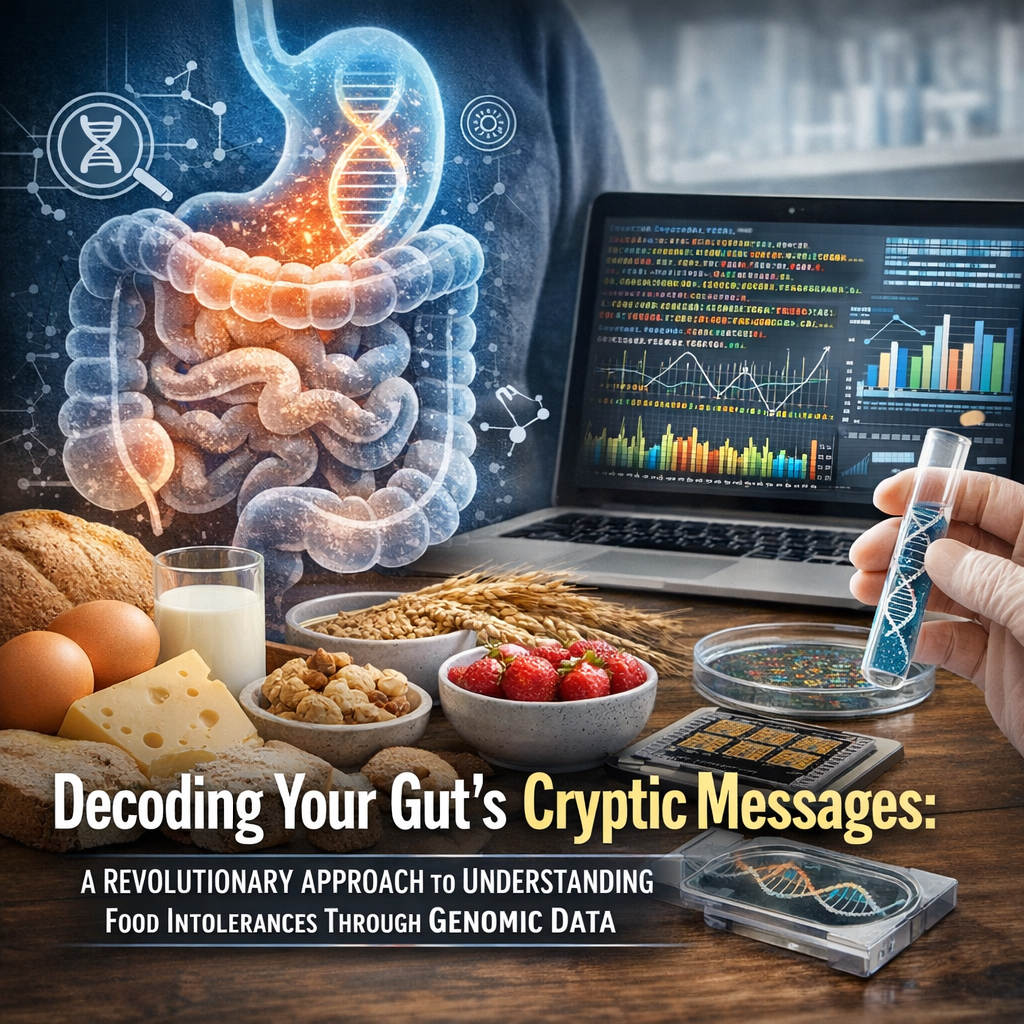
AI-driven platforms can process complex information including an individual’s genetic profile, microbiome composition, and even their real-time metabolic data. Through sophisticated algorithms, AI can predict how a person will respond to different nutrients, thereby providing personalized dietary recommendations. This technology demystifies the reasoning behind metabolic reactions and inflammation triggers, leading to more effective and targeted interventions.
For instance, AI can assess genetic markers associated with the metabolism of carbohydrates and fats, providing insights into the most compatible diet plan. By doing so, individuals are offered a route to metabolic mastery, avoiding common pitfalls such as insulin resistance or dyslipidemia. Moreover, understanding the inflammatory responses triggered by certain foods allows individuals to make dietary decisions that proactively control inflammation, potentially reducing the risk of chronic diseases.
While the concept of personalized nutrition is not new, its implementation at scale has been propelled by advancements in AI. By delivering precise and actionable insights, AI personalization holds the promise of transforming not only individual health outcomes but also the broader field of nutritional science.
Features and Relevant Studies
A growing body of professional and medical studies has validated the potential of AI in personalizing nutrition. One notable research effort is the groundbreaking PREDICT study, which examines the impact of genetics, microbiome, and meal composition on individual metabolic responses. Published in Nature Medicine, the study concluded that there is significant variability in blood sugar and triglyceride levels after meals, even among identical twins.
This variability underscores the importance of moving beyond generalized dietary advice. AI allows for the integration of such diverse datasets, facilitating the creation of highly customized dietary interventions that align with a person’s unique metabolic profile.
Another pioneering study conducted by the Stanford University School of Medicine explored the use of deep learning algorithms to personalize nutrition recommendations based on blood glucose responses. Published in Cell, the study utilized vast datasets, including continuous glucose monitoring data, successfully demonstrating how AI can predict individualized glycemic responses.
Further supporting these findings is research focusing on inflammation and diet, with a study published in The Journal of Nutrition highlighting how personalized nutrition can modulate inflammatory markers. By analyzing genetic and phenotypic data, AI-based recommendations can help in reducing inflammation, thus contributing to overall health and longevity.
These studies collectively highlight the transformative potential of AI in reshaping nutritional strategies. By promoting a shift from reactive to proactive health management, personalized diets crafted through AI insights offer a powerful tool in combating metabolic disorders and inflammation-related conditions.
Conclusion
The era of AI-driven personalized nutrition represents a paradigm shift in how we approach diet and health. By moving away from generic dietary guidelines to highly individualized plans, technology enables us to unlock new levels of metabolic efficiency and inflammation control. The ability to predict how unique biological factors influence dietary responses heralds a new frontier in preventive healthcare.
By integrating AI into nutritional paradigms, we stand poised to make significant strides in human health and wellbeing. As ongoing research continues to unravel the complex interplay between diet, metabolism, and inflammation, personalized nutrition promises to be a cornerstone of future wellness practices. Embracing these advancements will not only refine our understanding of nutrition but also empower individuals to achieve optimal health outcomes.
In conclusion, leveraging AI to personalize diets marks an exciting juncture in nutritional science. By harnessing technology, we can achieve metabolic mastery and inflammation control, steering towards a future of bespoke dietary strategies that are as unique as the individuals they serve.
Concise Summary
The integration of AI into nutrition offers a powerful means to develop personalized dietary plans that consider an individual’s unique genetic, metabolic, and inflammatory profiles. This approach challenges the traditional one-size-fits-all model and aims to enhance metabolic efficiency, and control inflammation, thereby reducing the risk of chronic diseases. Studies, like those in Nature Medicine and The Journal of Nutrition, highlight AI’s potential to redefine nutritional strategies by delivering insights into personalized metabolic and inflammatory responses, promising a proactive shift in healthcare.

Dominic E. is a passionate filmmaker navigating the exciting intersection of art and science. By day, he delves into the complexities of the human body as a full-time medical writer, meticulously translating intricate medical concepts into accessible and engaging narratives. By night, he explores the boundless realm of cinematic storytelling, crafting narratives that evoke emotion and challenge perspectives.
Film Student and Full-time Medical Writer for ContentVendor.com