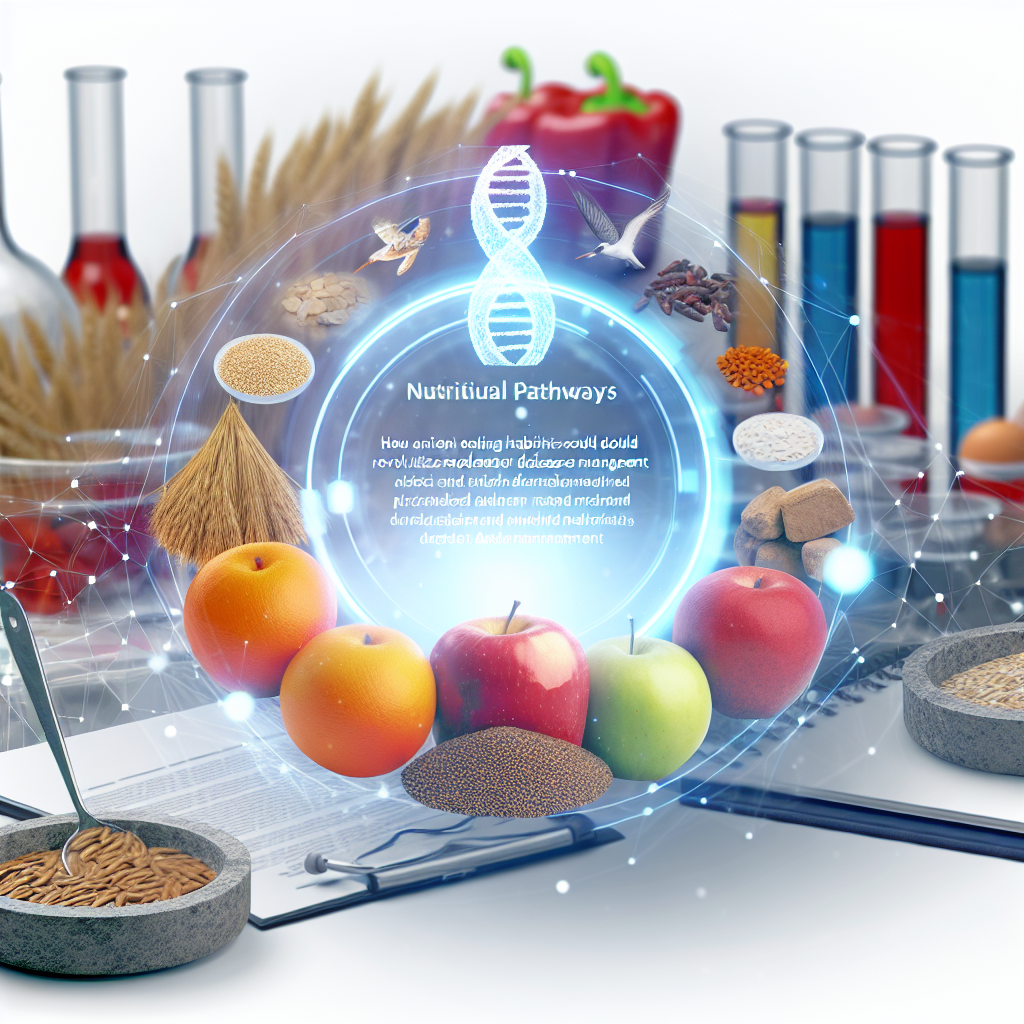
Nutritional Pathways: How Ancient Eating Habits Could Revolutionize Modern Disease Management
Introduction
In an age where healthcare costs are skyrocketing and chronic diseases are on the rise, there’s a growing interest in revisiting ancient wisdom for solutions. The diet of our ancestors could unlock potential pathways for disease management today. Ancient civilizations, from the Greeks to the Chinese, utilized natural foods and holistic approaches to promote health and longevity. Their eating habits, rich in whole foods and devoid of processed ingredients, offer a blueprint for combating the modern health crisis characterized by ailments such as obesity, diabetes, and cardiovascular diseases.
Contrary to modern diets loaded with refined sugars and unhealthy fats, ancient cuisines largely featured whole grains, fresh fruits, vegetables, nuts, seeds, and legumes. These components form the basis of traditional, disease-reducing dietary patterns evident today, such as the Mediterranean and Okinawan diets. The Mediterranean diet emphasizes fruits, vegetables, whole grains, and lean proteins like fish, coupled with healthy fats from olive oil. It’s associated with reduced risk of heart disease, diabetes, and certain cancers, while promoting brain health.
Furthermore, ancient Ayurvedic practices highlight the use of herbs and spices not just as flavor enhancers, but as powerful medicinal tools. Turmeric, ginger, and garlic are commonly featured and have been studied for their anti-inflammatory and antioxidative properties. The high consumption of plant-based foods in these diets is particularly beneficial due to their rich sources of polyphenols and phytochemicals. These compounds combat oxidative stress and reduce inflammation, both central to the development of chronic diseases.
Recent scientific research supports the premise that these ancient diets not only improve health but also manage chronic conditions. By aligning modern eating habits with those of our ancestors, we could unlock potentials for disease prevention and management. The blend of ancient wisdom and modern nutritional science offers a pathway to enhancing health and quality of life today.
Features
Modern scientific investigations underscore the impact diet can have on disease management. A plethora of studies confirms the reputability of ancient eating habits in fostering health and mitigating disease. For example, a study published in the New England Journal of Medicine showed adherence to the Mediterranean diet significantly reduced the incidence of major cardiovascular events among high-risk individuals ([Estruch et al., 2013](https://www.nejm.org)).
The ancient Greeks believed in “dieta” – a lifestyle of balance and harmony, extending to food consumption. Modern research corroborates that a balanced diet incorporating a variety of nutrients reduces disease risk. Polyphenols, abundant in Mediterranean and other traditional diets, have protective effects against a range of diseases due to their antioxidative properties.
Similarly, the Okinawan diet, emphasized in epidemiological studies, is associated with longevity and low incidence of age-related diseases. Its benefits were highlighted in *The Lancet*, showcasing how low caloric intake and nutrient-dense foods contribute to extended lifespans and improved health outcomes ([Willcox et al., 2006](https://www.thelancet.com)).
Ayurvedic medicine, originating from India, incorporates dietary guidelines and nutritional supplements to support health and manage diseases. Research highlighted in *Alternative Therapies in Health and Medicine* emphasizes turmeric’s potent anti-inflammatory and antioxidant capacities, thanks to its active compound, curcumin, making it crucial for an anti-inflammatory diet ([Gupta et al., 2013](https://www.alternative-therapies.com)).
Understanding these ancient dietary principles within modern nutritional science offers a holistic approach to managing diseases, complementing conventional treatments. Ancient dietary practices validated by modern science emphasize the importance of natural, holistic approaches to health.
Conclusion
The potential of ancient eating habits to revolutionize modern disease management provides new avenues for healthcare. By adopting ancient dietary patterns like the Mediterranean and Okinawan diets, enriched with wholesome grains, fresh produce, and healthy fats, there exists a remarkable potential to mitigate chronic diseases. These diets, rooted in history but supported by modern research, offer a dual narrative where tradition meets science.
The promising intersection of ancient wisdom and current scientific insights offers a path to improving individual and public health outcomes. Embracing a history of dietary simplicity and richness might transform our understanding and management of chronic diseases, paving the way for a future where preventive care and traditional practice coexist harmoniously.
Concise Summary
Ancient eating habits provide valuable insights into modern disease management. Civilizations like the Greeks and Chinese utilized natural foods and holistic approaches promoting health. Patterns such as the Mediterranean and Okinawan diets emphasize whole grains, fruits, and plant-based foods, reducing risks of chronic diseases like obesity and diabetes. Ancient remedies like Ayurvedic practices feature turmeric and ginger known for anti-inflammatory properties. Modern research supports the effectiveness of these diets in preventing diseases and enhancing health. By integrating ancient wisdom with contemporary science, we can improve public health and individual well-being through a return to simpler, traditional dietary practices.

Dominic E. is a passionate filmmaker navigating the exciting intersection of art and science. By day, he delves into the complexities of the human body as a full-time medical writer, meticulously translating intricate medical concepts into accessible and engaging narratives. By night, he explores the boundless realm of cinematic storytelling, crafting narratives that evoke emotion and challenge perspectives.
Film Student and Full-time Medical Writer for ContentVendor.com