Unlock Hidden Health: The Science of Nutrigenomics and Personalized Diets for Chronic Disease Management
Introduction
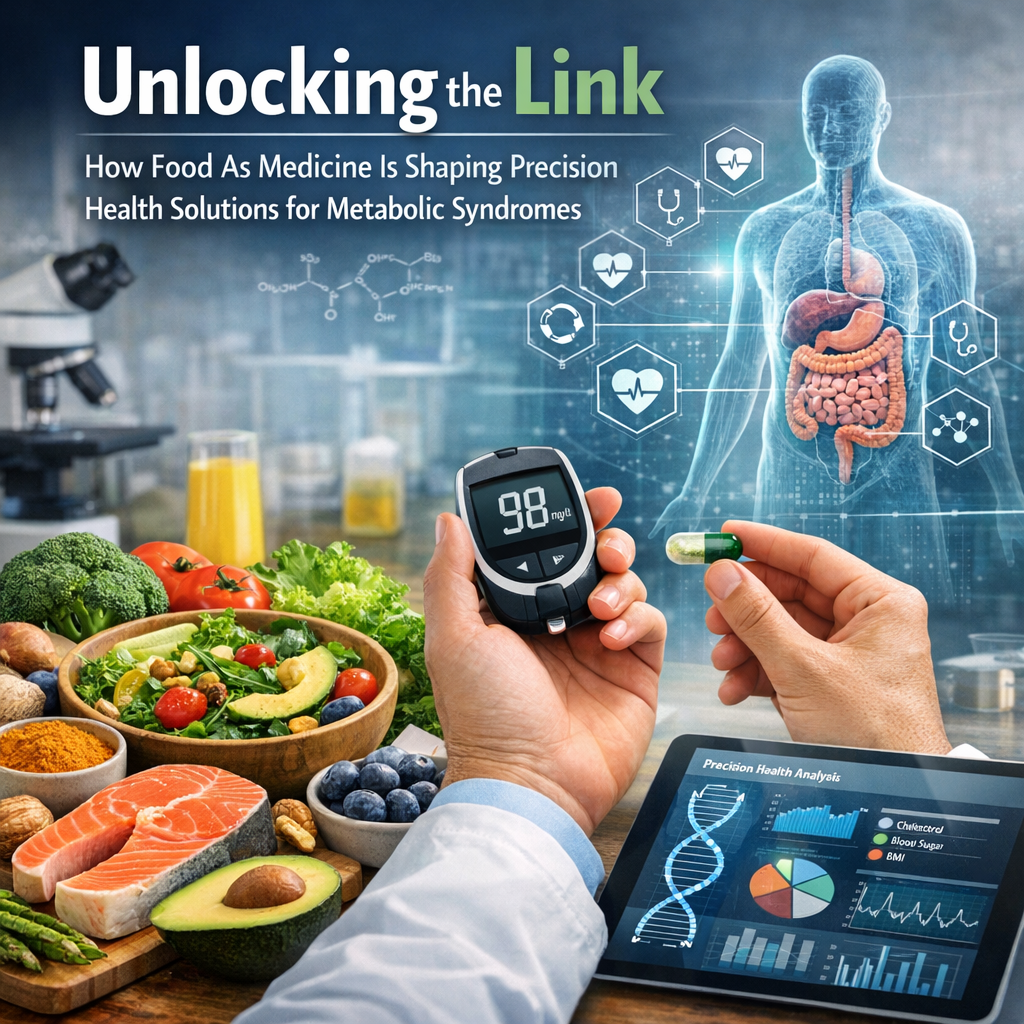
In recent years, a groundbreaking approach to health and wellness has gained significant attention in the scientific and medical communities: nutrigenomics. This field, which lies at the intersection of nutrition, genomics, and health, explores how our individual genetic makeup affects our response to different dietary components. As more studies illuminate the ways in which specific foods can influence gene expression, nutrigenomics has emerged as a powerful tool in developing personalized diets aimed at managing and even preventing chronic diseases.
Nutrigenomics considers the intricate relationship between diet and gene activity. By examining how nutrients interact with our genes, this scientific discipline provides insights into why some people can thrive on certain diets while others may not. As chronic diseases like obesity, type 2 diabetes, heart disease, and various forms of cancer continue to rise, the demand for more customized dietary recommendations has never been greater. Traditional “one-size-fits-all” dietary guidelines often fail to account for genetic diversity, which can lead to variable responses among individuals.
Moreover, the implications of nutrigenomics extend beyond dietary personalization. This approach also supports a proactive stance on health management, where the prevention of chronic conditions can be tailored to leverage natural genetic strengths and compensate for any genetic vulnerabilities. This personalized strategy not only empowers individuals to take control of their own health but also shifts the focus of healthcare systems towards prevention rather than just treatment.
Furthermore, public awareness of nutrigenomics is increasing thanks to advances in technology that allow individuals to access their genetic information more easily and affordably. This, in turn, opens doors for collaboration between healthcare providers, nutritionists, and individuals themselves to co-create diet plans that are as unique as the genetic codes of those they are designed for. With chronic diseases posing ongoing challenges worldwide, nutrigenomics offers a promising pathway to improved health outcomes through customized dietary interventions.
Features
Recent research underscores the potential of nutrigenomics in chronic disease management. A study published in the [Journal of Nutrigenetics and Nutrigenomics](https://www.karger.com/Article/Fulltext/484297) explored the relationship between dietary intake and genetic predispositions to obesity. Researchers identified specific gene-nutrient interactions that could predict an individual’s likelihood of weight gain, proving the concept that personalized dietary interventions based on genetic data could effectively combat obesity.
In another study, published in the prestigious journal [Nature](https://www.nature.com/articles/s41575-018-0008-x), researchers investigated nutrient-gene interactions and their implications for type 2 diabetes. Findings revealed that specific genetic profiles influenced how individuals metabolized carbohydrates, which could affect blood sugar levels and insulin sensitivity. These insights are pivotal in crafting tailored dietary interventions that improve glycemic control in diabetic patients.
Meanwhile, the role of nutrigenomics in managing cardiovascular diseases is highlighted by research in the [American Journal of Clinical Nutrition](https://academic.oup.com/ajcn/article/107/1/40/5198650). This study examined the impact of omega-3 fatty acids on individuals with different genetic variants associated with heart disease risk. Results indicated that certain genetic profiles responded more favorably to omega-3 supplementation, suggesting that customized diet plans could significantly reduce the risk of cardiovascular events in genetically susceptible populations.
Furthermore, the emerging field of oncology nutrition reveals how nutrigenomics can enhance cancer management. Research published in [Cancer Research](https://cancerres.aacrjournals.org/content/79/4/723) examined the relationship between dietary patterns and genetic susceptibility to colorectal cancer. By identifying specific genetic markers, researchers could advise patients on dietary modifications that might decrease their risk of cancer development and improve survival rates.
These studies exemplify the transformative potential of nutrigenomics in chronic disease management. As more research continues to emerge, bridging the gap between nutritional science and genomics, the dream of personalized health care becomes increasingly attainable.
Conclusion
In conclusion, the field of nutrigenomics presents a groundbreaking opportunity to revolutionize the way we approach health and disease management. By integrating personalized nutrition plans based on genetic profiles, nutrigenomics allows for the development of targeted dietary strategies that enhance individual health outcomes, mitigate the risk of chronic disease development, and potentially reverse existing conditions. As the scientific community continues to unravel the complex interplay between our genes and dietary choices, we are moving towards a future where each person can receive dietary recommendations that cater specifically to their unique genetic makeup. Collaborative efforts among healthcare providers, nutritionists, researchers, and individuals are essential to fully realize the potential of nutrigenomics, ensuring a healthier and more personalized approach to wellness. As technology advances and more data becomes available, the promise of unlocking hidden health through nutrigenomics is closer than ever to becoming a universal reality.
For more information on the science of nutrigenomics and personalized diets, explore these resources: [Journal of Nutrigenetics and Nutrigenomics](https://www.karger.com/Journal/Home/262198), [Nature Journal](https://www.nature.com/subjects/nutrigenomics), and [American Journal of Clinical Nutrition](https://academic.oup.com/ajcn).
Concise Summary
The field of nutrigenomics is revolutionizing health management by integrating personalized nutrition plans that consider an individual’s genetic makeup. By exploring gene-nutrient interactions, nutrigenomics offers targeted dietary strategies to manage and prevent chronic diseases such as obesity, diabetes, heart disease, and cancer. This approach shifts healthcare focus towards prevention and empowers individuals through customized dietary recommendations. As technology and research advance, nutrigenomics promises improved health outcomes by bridging nutritional science and genomics, enabling personalized health care tailored to each person’s unique genetic profile.

Dominic E. is a passionate filmmaker navigating the exciting intersection of art and science. By day, he delves into the complexities of the human body as a full-time medical writer, meticulously translating intricate medical concepts into accessible and engaging narratives. By night, he explores the boundless realm of cinematic storytelling, crafting narratives that evoke emotion and challenge perspectives.
Film Student and Full-time Medical Writer for ContentVendor.com