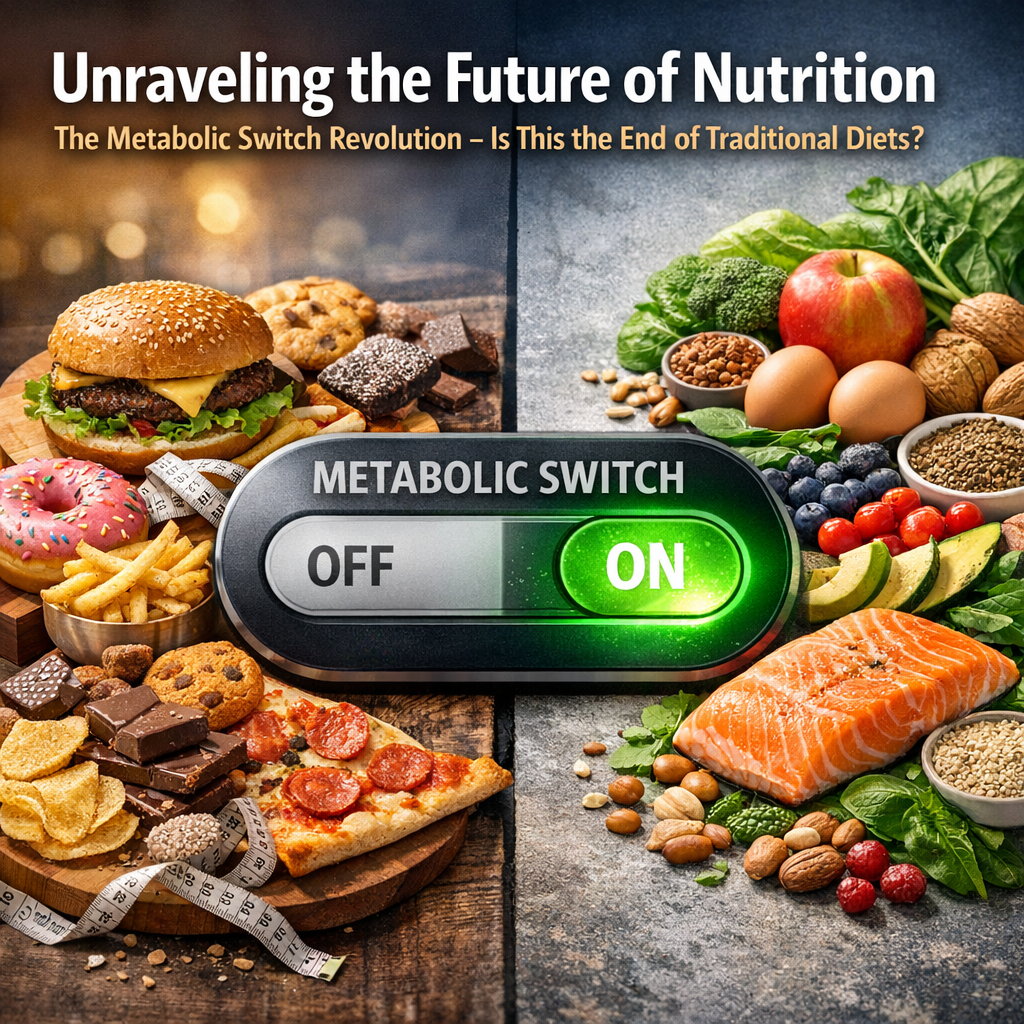
Unraveling the Future of Nutrition: The Metabolic Switch Revolution – Is This the End of Traditional Diets?
Introduction
In the ever-evolving world of nutrition, the concept of the “*metabolic switch*” is creating a buzz among health enthusiasts and researchers alike. This innovative approach to nutrition and weight management is revolutionizing how we perceive *diets*, challenging the very foundations that have supported traditional dietary models for decades. As more individuals seek natural cures and holistic approaches to health, understanding the metabolic switch’s potential becomes increasingly important.
The *metabolic switch* refers to the body’s ability to transition between burning carbohydrates for energy and utilizing fats, including ketones, as an efficient fuel source. This switch is crucial for *metabolic flexibility*, a concept that promotes optimal health by allowing the body to seamlessly adapt to varying energy demands. Traditionally, our diets have been carb-heavy, often leading to a dependence on glucose for energy. However, this constant reliance can lead to metabolic inflexibility, contributing to numerous health issues such as insulin resistance, obesity, and chronic inflammation.
Recent advancements in nutritional science suggest that adopting a metabolic switch approach can provide multiple health benefits, including enhanced weight loss, improved mental clarity, and increased energy levels. This strategy promotes periods of *fasting* or significantly reduced carbohydrate intake, encouraging the body to utilize its fat reserves.
Critics of traditional diets argue that many are overly restrictive, unsustainable in the long term, and dismissive of individual variation in dietary needs. Furthermore, traditional dieting often focuses heavily on *calorie counting*, overlooking the quality of nutrients and how they influence metabolic health. In contrast, the metabolic switch prioritizes nutrient timing and fuel selection, fostering a more adaptable and personalized approach to nutrition.
As the dietary landscape continues to shift towards individualized nutrition strategies, the metabolic switch emerges as a promising paradigm. By embracing this flexible approach, individuals may unlock a natural, sustainable path to health, potentially signaling the end of conventional dieting as we know it.
Features
The *metabolic switch* is not just a trend; it’s grounded in scientific research that highlights its potential to transform health outcomes. Several studies have examined the benefits of this approach, providing compelling evidence of its efficacy in improving metabolic health.
One pivotal study, published in [Cell Metabolism](https://www.cell.com/cell-metabolism), examined the effects of *time-restricted feeding (TRF)* on metabolic health. The researchers found that participants who limited their eating window to an 8-10 hour period experienced significant improvements in insulin sensitivity, blood pressure, and cholesterol levels. By adhering to a time-restricted eating pattern, individuals could effectively engage the metabolic switch, encouraging their bodies to shift towards fat utilization.
Another noteworthy study focused on *ketogenic diets*, which naturally promote the metabolic switch by reducing carbohydrate intake and increasing fat consumption. A review published in the [Journal of Endocrinology](https://joe.bioscientifica.com/) revealed that ketogenic diets can lead to substantial reductions in body weight and visceral fat – key risk factors for metabolic syndrome. The study also highlighted improvements in cognitive function and mood, suggesting broader implications for mental health.
Moreover, a study in the [International Journal of Obesity](https://www.nature.com/ijo/) explored the impacts of *intermittent fasting (IF)* on weight loss and metabolic flexibility. The researchers concluded that intermittent fasting assists greatly in fat oxidation processes, thereby enhancing metabolic flexibility. This approach showed significant promise in reducing body weight and improving metabolic markers more sustainably than conventional calorie-restricted diets.
Collectively, these studies underscore the metabolic switch’s potential as a natural and effective approach to managing weight and optimizing health. As more research continues to expand on these findings, the adoption of metabolic switch strategies may become increasingly mainstream, offering a viable alternative to traditional dieting.
Conclusion
The *metabolic switch* represents a transformative shift in the field of nutrition, proposing a flexible and individualized approach that aligns more closely with the body’s natural metabolic rhythms. By promoting *metabolic flexibility*, individuals can achieve better health outcomes through a sustainable method that reduces reliance on rigid diets and calorie counting. The convergence of scientific research and increased popular interest in natural, holistic health practices suggests that the metabolic switch could mark the beginning of a new era in nutrition.
As traditional dieting models face criticism for their generalized approach and limited success rates, the appeal of the metabolic switch continues to grow. It invites us to reconsider how we fuel our bodies, emphasizing adaptability, nutrient quality, and timing. For those seeking natural cures and treatments that recognize the complexity of individual nutritional needs, the *metabolic switch* offers a promising path forward. Integrating this innovative concept into global health strategies could very well signify the end of conventional dieting paradigms, leading to a healthier, more naturally balanced world.
Concise Summary
The metabolic switch is redefining traditional dieting by emphasizing metabolic flexibility. This approach involves shifting energy sources from carbohydrates to fats, promoting health benefits like improved metabolic markers, weight loss, and mental clarity. Studies confirm its efficacy in enhancing metabolic health through practices like time-restricted feeding and ketogenic diets. Unlike traditional diets, the metabolic switch prioritizes nutrient timing and quality over restrictive calorie counting. As more research supports these methods, the metabolic switch may become a mainstream alternative to conventional dieting, offering a personalized pathway to sustainable health.

Dominic E. is a passionate filmmaker navigating the exciting intersection of art and science. By day, he delves into the complexities of the human body as a full-time medical writer, meticulously translating intricate medical concepts into accessible and engaging narratives. By night, he explores the boundless realm of cinematic storytelling, crafting narratives that evoke emotion and challenge perspectives.
Film Student and Full-time Medical Writer for ContentVendor.com