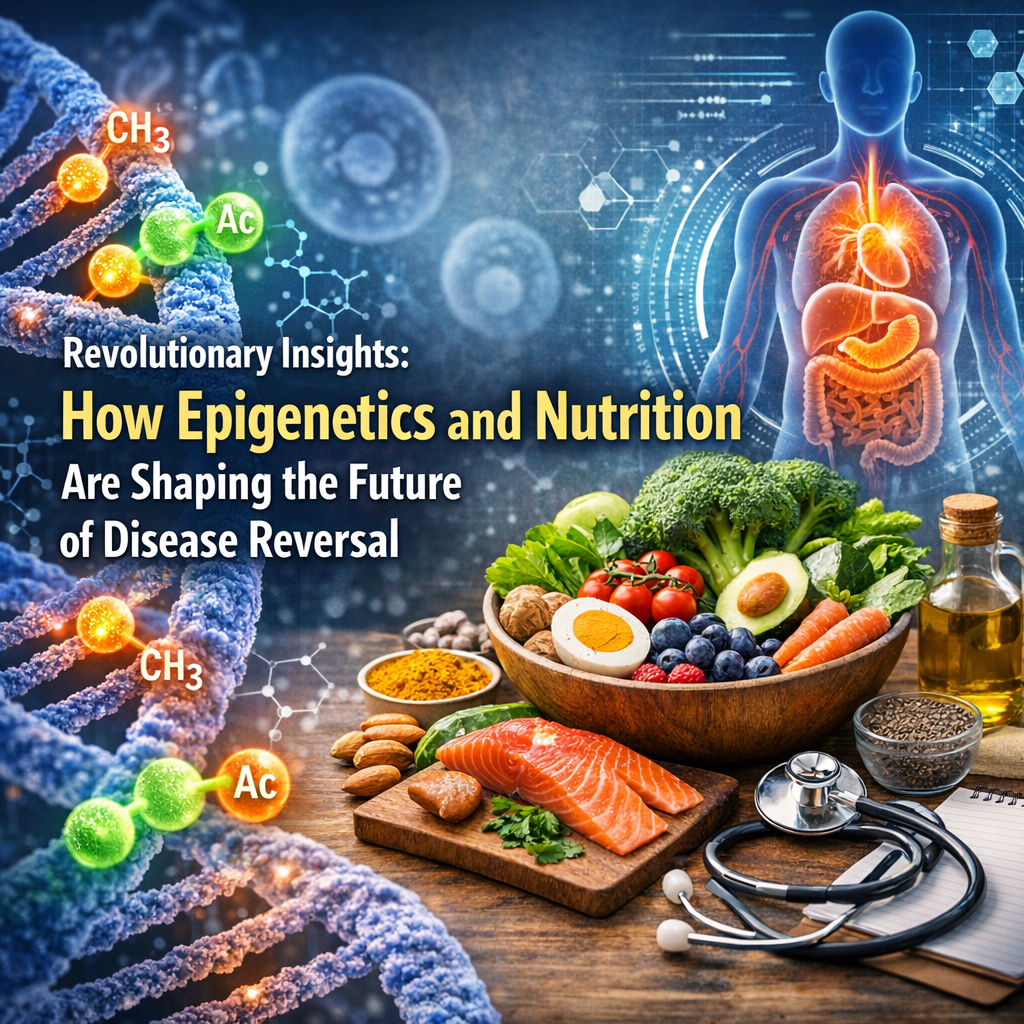
Revolutionary Insights: How Epigenetics and Nutrition Are Shaping the Future of Disease Reversal
Introduction
In the ever-evolving field of health and wellness, the integration of epigenetics and nutrition represents a pivotal frontier. Epigenetics, the study of how gene expression is regulated by external or environmental factors, plays a crucial role in understanding how lifestyle and dietary choices can directly influence genetic outcomes. For years, the medical field largely believed that genetics were destiny. However, groundbreaking research in epigenetics is turning that notion on its head, suggesting that our lifestyle choices, particularly our diet, can significantly impact gene expression and potentially reverse disease processes.
This transformative understanding transcends traditional health paradigms by highlighting how factors such as processed foods, sedentary lifestyles, chronic stress, and exposure to toxins can trigger negative epigenetic changes linked to various chronic diseases like diabetes, heart disease, and cancer. Conversely, adopting a balanced diet rich in nutrients, engaging in regular physical activity, and minimizing stress can promote beneficial epigenetic modifications, offering a powerful avenue for disease prevention and reversal.
Nutrition, particularly the consumption of natural, whole foods, emerges as a central player in this dialogue. Whole foods supply the body with vital compounds like antioxidants, phytochemicals, and polyphenols, which may influence gene expression toward a healthier state. As more people become aware of the dynamic relationship between what they eat and their health, there’s a burgeoning interest in using dietary strategies to manage or even reverse conditions that were once considered intractable.
The intersection of epigenetics and nutrition heralds a new era in medicine, one where individuals can take an active role in shaping their genetic destiny. Instead of viewing genetic predispositions as fixed and inevitable, this innovative approach empowers individuals with strategies that could mitigate risks and improve overall well-being.
Features
Scientific studies are increasingly shedding light on the profound impact of nutrition on epigenetic mechanisms, providing compelling evidence for its role in disease management and reversal. A notable study published in *The American Journal of Clinical Nutrition* explored how certain dietary components can modulate epigenetic modifications, contributing to a reduced risk of chronic diseases. This study highlighted nutrients like folate, vitamin B12, and polyphenols as pivotal in regulating DNA methylation, a key epigenetic mechanism involved in gene expression. [Link to study](https://academic.oup.com/ajcn).
Further research in *Nature Reviews Genetics* underscores the influence of bioactive food components on modifying epigenetic marks, which can alter gene expression and enhance protective responses against disease. This study emphasizes that nutrients like curcumin, from turmeric, and genistein, found in soy, have the potential to induce beneficial epigenetic changes. These findings validate the traditional use of certain herbs and foods in natural and homeopathic medicine as effective therapeutic agents. [Link to study](https://www.nature.com/nrg).
Moreover, a groundbreaking study involving a population-based intervention reported in *The Lancet* tracked epigenetic changes over time in response to lifestyle modifications, including diet. The researchers found that participants who adopted a diet rich in fruits, vegetables, nuts, and omega-3 fatty acids experienced favorable epigenetic shifts, which correlated with improved health outcomes and a reduced incidence of chronic diseases. This reinforces the concept that proactive lifestyle changes, particularly dietary, can reverse harmful epigenetic patterns and promote health. [Link to study](https://www.thelancet.com).
These scientific insights offer groundbreaking perspectives on the potential for diet to not only improve health but also fundamentally alter the genetic predisposition to disease. By embracing evidence-based nutritional strategies, we can pave the way for a healthier future, reflecting a personalized approach to healthcare that respects and utilizes our genetic blueprint.
Conclusion
The convergence of epigenetics and nutrition represents a groundbreaking framework in the quest to reverse diseases traditionally deemed untreatable. Understanding the delicate interaction between our environment, dietary choices, and gene expression opens up unprecedented possibilities for personalized medicine and holistic health interventions. Embracing a nutrient-rich diet is not merely about preventing illness but about harnessing the power to influence our genetic expression positively.
As science continues to unravel the complex interplay of genetic and environmental factors, it empowers a proactive approach to health, challenging the deterministic view of genetics. By prioritizing nutrition and lifestyle modifications, individuals have the potential to take control of their health trajectories, effectively minimizing disease risks. As this field progresses, it fosters a more integrated health model emphasizing prevention and personalized strategies, offering hope not just for disease management but for an overall enhancement of life quality.
Concise Summary
The integration of epigenetics and nutrition is transforming health paradigms by demonstrating how lifestyle choices, especially diet, can influence gene expression and potentially reverse diseases. Studies highlight the role of nutrients in modulating epigenetic mechanisms, underscoring how dietary components like folate and polyphenols affect DNA methylation. Research suggests diets rich in fruits, vegetables, and omega-3 acids can promote beneficial epigenetic changes. This intersection offers a new, proactive approach to wellness, allowing individuals to positively affect their genetic destiny through evidence-based dietary strategies.
References
1. The American Journal of Clinical Nutrition: [Nutrition and epigenetics](https://academic.oup.com/ajcn).
2. Nature Reviews Genetics: [Bioactive food components and epigenetic modifications](https://www.nature.com/nrg).
3. The Lancet: [Lifestyle modifications and epigenetic changes](https://www.thelancet.com).

Dominic E. is a passionate filmmaker navigating the exciting intersection of art and science. By day, he delves into the complexities of the human body as a full-time medical writer, meticulously translating intricate medical concepts into accessible and engaging narratives. By night, he explores the boundless realm of cinematic storytelling, crafting narratives that evoke emotion and challenge perspectives.
Film Student and Full-time Medical Writer for ContentVendor.com