The Rise of Personalized Nutrition Algorithms: How AI is Transforming Food as Medicine
Introduction
In an era dominated by technology, it’s unsurprising that artificial intelligence (AI) has become integral to our diets, revolutionizing our perspectives on food and health. The idea of “food as medicine” is ancient—Hippocrates emphasized it over two millennia ago. However, today’s challenge lies in applying this principle with unprecedented precision, thanks to advancements in personalized nutrition algorithms.
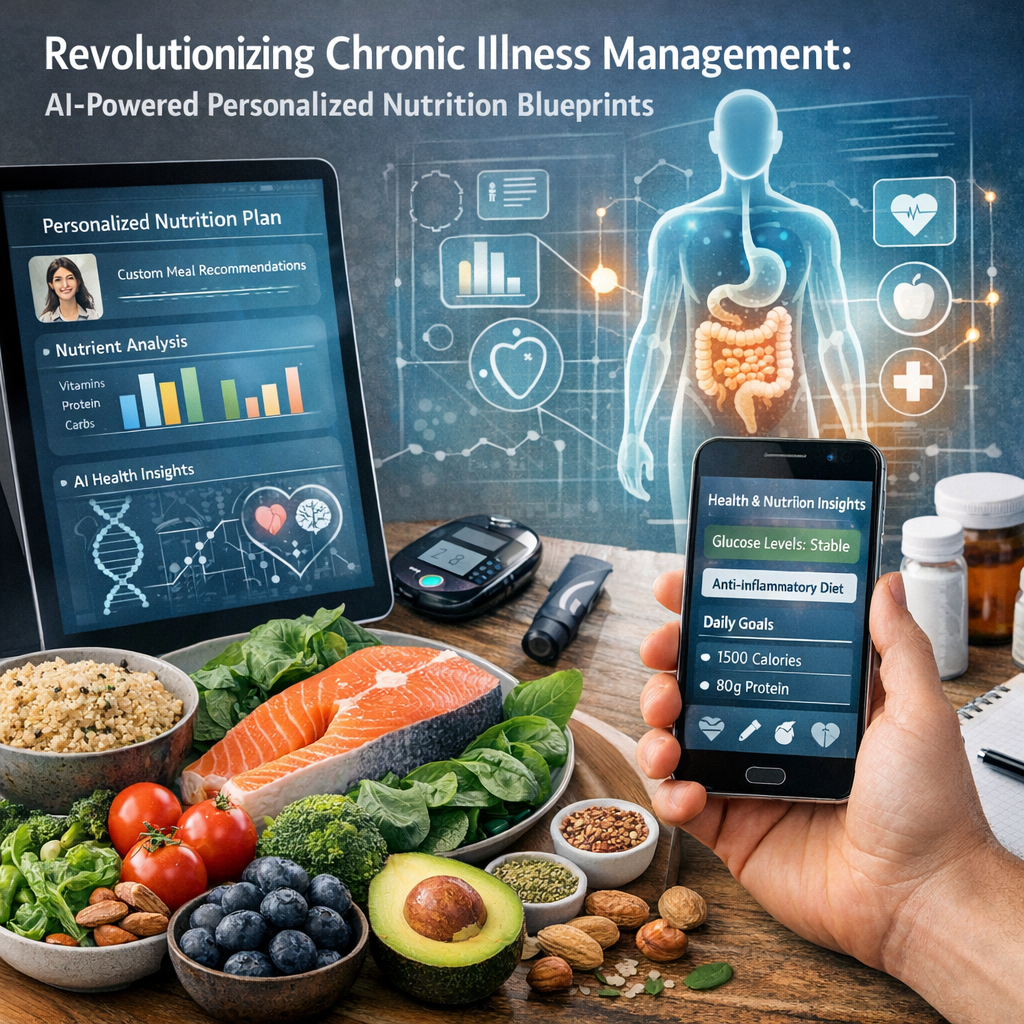
Personalized nutrition tailors dietary advice based on individual biological traits, health conditions, and lifestyle. Here, AI plays a crucial role by utilizing complex algorithms and extensive datasets to scrutinize how nutrients affect our unique physiology. This development represents a significant leap in nutritional science, blending insights from genetics, metabolism, and the microbiome. By offering AI-driven insights into dietary needs, this approach promises to revolutionize the food-as-medicine model, helping prevent and manage chronic diseases through tailored nutrition plans.
Unlike conventional dietary guidelines that adopt a one-size-fits-all perspective, personalized nutrition accounts for individual genetic, microbiota, and lifestyle factors. For instance, two people wishing to lower their cholesterol could receive vastly different dietary recommendations based on specific genetic markers and microbiome composition. AI-powered platforms like Nutrigenomix and ZOE are already providing consumers with personalized insights based on DNA and microbiome analysis, heralding a new era of dietary interventions.
These AI-driven tools are set to boost adherence to dietary recommendations by providing personalized, actionable insights aligning with one’s health goals and preferences. As these tools evolve, they will continuously refine dietary advice based on new health data, ensuring individuals receive up-to-date nutritional wisdom tailored to their needs.
Features
The integration of AI, personalized nutrition, and food-as-medicine has captivated the scientific community, prompting numerous studies to investigate its potential benefits. One groundbreaking study by King’s College London and Massachusetts General Hospital as part of the Predict study analyzed blood glucose and lipid responses from over a thousand participants exposed to different foods. The findings revealed significant variability in responses, unaccounted for by mere calorie content or macronutrient composition, reinforcing the importance of personalized nutrition ([source](https://www.nature.com/articles/s41467-020-14760-w)).
Another Cell journal study demonstrated how personalized dietary interventions informed by gut microbiome composition could effectively manage glycemic control. Using machine learning algorithms to predict individual glycemic responses, the study crafted tailored meal plans, highlighting AI’s pivotal role in managing diet-related diseases ([source](https://www.cell.com/cell/fulltext/S0092-8674(15)01923-4)).
Moreover, research presented by the National Institutes of Health (NIH) explores personalized nutrition’s impact on weight management and metabolic syndrome, showcasing AI’s capability to predict optimal diet strategies to combat obesity and its related conditions ([source](https://www.ncbi.nlm.nih.gov/pmc/articles/PMC6307865/)).
These studies illuminate how personalized nutrition algorithms can navigate the intricate relationship between food and health beyond superficial dietary component analysis. Through genomic and metabolomic data examination, AI provides insights into optimal food choices, promoting health maintenance and disease prevention.
Conclusion
The emergence of personalized nutrition algorithms signifies a transformative leap in how we perceive and utilize food for health and wellness. By leveraging AI’s power, individuals can benefit from customized nutrition plans that surpass generic dietary models, offering improved personal health outcomes. For consumers and clinicians, this trend aligns with an increased focus on precision medicine, where individual traits define personalized health pathways.
Looking ahead, as AI technology progresses, we can anticipate even greater integration into our daily nutritional choices, offering increasingly tailored food-as-medicine solutions. Adopting this transformation has the potential to alleviate diet-related chronic ailments and empower proactive, informed steps toward better health and well-being. With AI’s guiding hand, the promise of personalized nutrition is poised to become an integral part of modern healthcare’s future, transforming the age-old adage “let food be thy medicine” into scientific reality.
Concise Summary:
The integration of artificial intelligence (AI) into dietary practices is transforming the concept of “food as medicine” by enabling personalized nutrition plans. Unlike traditional one-size-fits-all dietary guidelines, AI-driven personalized nutrition tailors dietary recommendations based on individual genetic, microbiota, and lifestyle factors. AI platforms like Nutrigenomix and ZOE offer consumers insights based on DNA and microbiome analysis. Scientific studies highlight AI’s role in managing diet-related diseases and personalized nutrition’s impact on weight management and metabolic syndrome. This advancement in nutritional science promises to revolutionize healthcare, making personalized nutrition a cornerstone of modern wellness.

Dominic E. is a passionate filmmaker navigating the exciting intersection of art and science. By day, he delves into the complexities of the human body as a full-time medical writer, meticulously translating intricate medical concepts into accessible and engaging narratives. By night, he explores the boundless realm of cinematic storytelling, crafting narratives that evoke emotion and challenge perspectives.
Film Student and Full-time Medical Writer for ContentVendor.com