The Gut-Brain Axis: Uncharted Territory in Food’s Role in Mental Health
Introduction
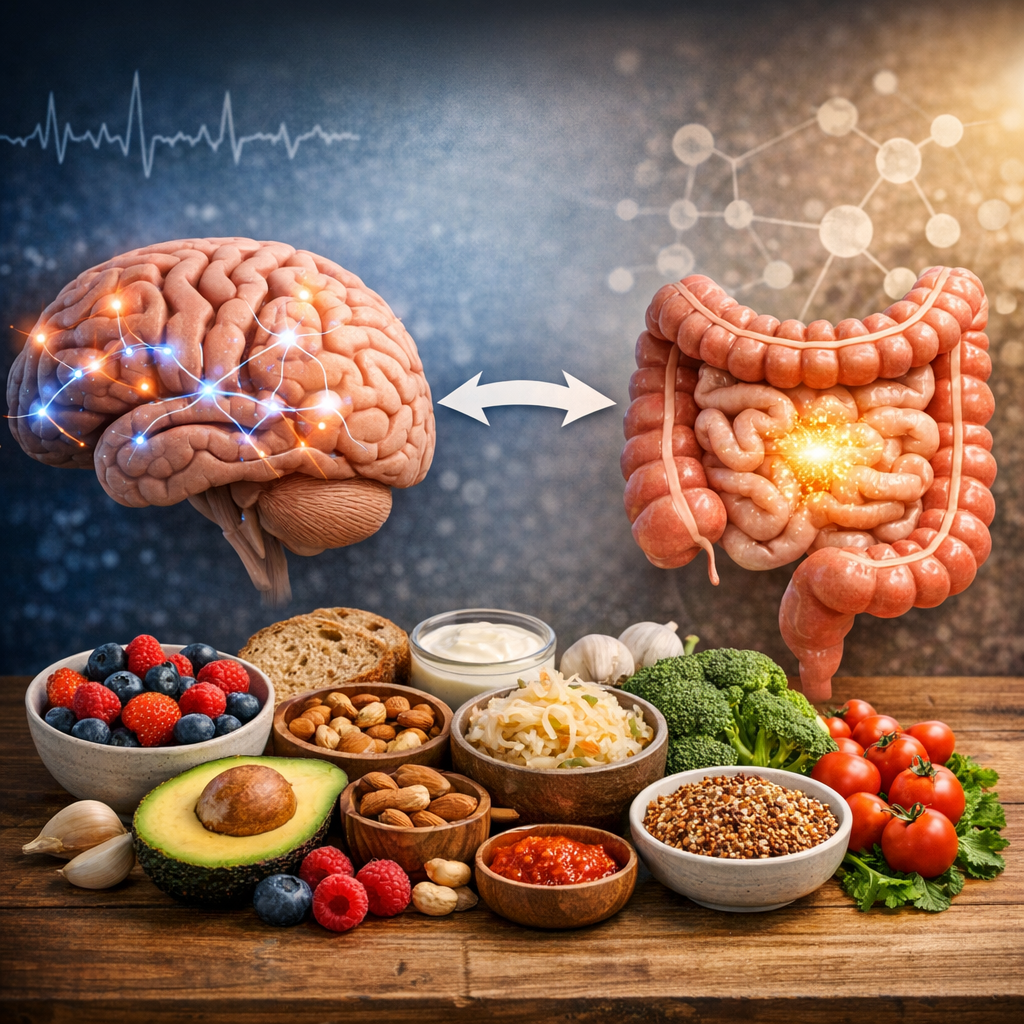
The interplay between our digestive system and mental well-being has increasingly become a focal point of modern research, bringing new meaning to the phrase “you are what you eat.” The connection, widely referred to as the gut-brain axis, represents a complex communication network that links our central nervous system with the enteric nervous system in the gastrointestinal tract. Recently, scientists and nutritionists have been tapping into this uncharted territory, uncovering the profound impact food and dietary choices have on mental health. As we explore this frontier, food is transformed from merely a source of sustenance to a significant factor in our psychological well-being.
To grasp the intricacies of the gut-brain axis, it is essential to understand that our gut is home to trillions of microorganisms collectively termed as the gut microbiota. This diverse colony of bacteria not only aids in digestion but also produces neurotransmitters, hormones, and other compounds that influence our emotions and cognitive functions. A growing body of evidence suggests that the composition and balance of these microorganisms can directly affect conditions such as anxiety, depression, and stress.
Furthermore, this axis is a two-way street. While the gut impacts the brain, the brain also influences gut health. Stress and emotional disturbances are known to alter gut permeability and microbial balance, potentially triggering inflammation and other gastrointestinal issues. This bidirectional communication underscores the necessity of addressing diet when exploring treatment options for mental health disorders.
As individuals worldwide seek natural cures and homeopathic treatments, the gut-brain axis provides a promising avenue for non-invasive interventions. Foods rich in probiotics, prebiotics, and omega-3 fatty acids are emerging as key players in maintaining a healthy gut environment conducive to mental tranquility. Consequently, personalized dietary plans and herbal supplements are gaining popularity among those seeking holistic approaches to mental health care.
Features
Significant strides have been made in understanding the mechanisms underlying the gut-brain axis, with numerous professional and medical studies shedding light on this novel field. One pivotal research piece, published in the journal “Psychiatry Research,” reveals that gut microbiota continue to regulate neurotransmitter pathways, circadian rhythms, and hormonal responses, all crucial to mental health. The study highlights how dysbiosis or an imbalance in gut bacteria can lead to neuroinflammation, contributing to mental health disorders such as depression and anxiety.
Additionally, research conducted by scientists at the University College Cork emphasizes the influential role of probiotics—beneficial bacteria that can be ingested through diet or supplements. Their studies show that consuming probiotics can enhance the production of neurotransmitters like serotonin—a known regulator of mood and emotion—effectively reducing symptoms of stress and anxiety. Results from this research encourage integrating fermented foods like yogurt, kefir, and sauerkraut into daily diets to promote psychological resilience.
Moreover, a clinical trial at the Swinburne University of Technology in Australia set out to evaluate the effects of omega-3 supplementation on mental health, showcasing significant improvements in mood stability and cognitive performance among participants who incorporated omega-3-rich foods or supplements into their regimen. These findings reinforce the notion that dietary fatty acids play a proactive role in preserving the integrity of brain cell membranes and modulating inflammation, both of which are vital for optimal mental function.
As we journey deeper into understanding the gut-brain axis, these studies underline the importance of adopting a holistic perspective toward mental health treatment. By reimagining food as a potential therapeutic ally, we can unlock new pathways for improving psychological well-being and overall happiness.
Conclusion
In conclusion, the gut-brain axis represents a vital frontier in the exploration of food’s impact on mental health. The growing body of research reaffirms the significance of maintaining a diverse and balanced gut microbiota through diet to promote emotional stability and cognitive clarity. Implementing conscious dietary changes by incorporating probiotics, prebiotics, and essential nutrients can significantly enhance mental health and usher in a new era of holistic well-being.
As interest in natural cures and homeopathic treatments grows, the potential of the gut-brain axis to transform the way we approach mental health care becomes increasingly apparent. By acknowledging the profound connection between our gut and brain, we not only empower ourselves to harness the healing potential of food but also take an important step forward in fostering mental strength and resilience in our lives.
References
1. Psychiatry Research: The Gut Microbiome and Mental Health
2. University College Cork Study on Probiotics and Mental Health
3. Swinburne University Omega-3 and Mental Health Trial
Concise Summary:
The gut-brain axis connects our digestive and central nervous systems, significantly influencing mental health. This link shows how gut microbiota affects conditions like anxiety and depression while the brain’s state impacts gut health. Emerging research supports the use of foods rich in probiotics, prebiotics, and omega-3 fatty acids to maintain gut health and improve mental well-being. Key studies highlight the mental health benefits of microbial diversity and dietary changes, marking a shift toward holistic treatment approaches that leverage the profound connection between the gut and the brain to foster resilience and emotional stability.

Dominic E. is a passionate filmmaker navigating the exciting intersection of art and science. By day, he delves into the complexities of the human body as a full-time medical writer, meticulously translating intricate medical concepts into accessible and engaging narratives. By night, he explores the boundless realm of cinematic storytelling, crafting narratives that evoke emotion and challenge perspectives.
Film Student and Full-time Medical Writer for ContentVendor.com