Untapped Potential: Harnessing Nutrigenomics for Personalized Longevity Diets
Introduction
The pursuit of longevity has fascinated humans for centuries. Traditional methods target broad lifestyle changes, but advancements in genetics are revealing a new frontier: nutrigenomics. This emerging science examines the dynamic between our genome and nutrition, pushing towards personalized diets that can enhance both lifespan and quality of life.
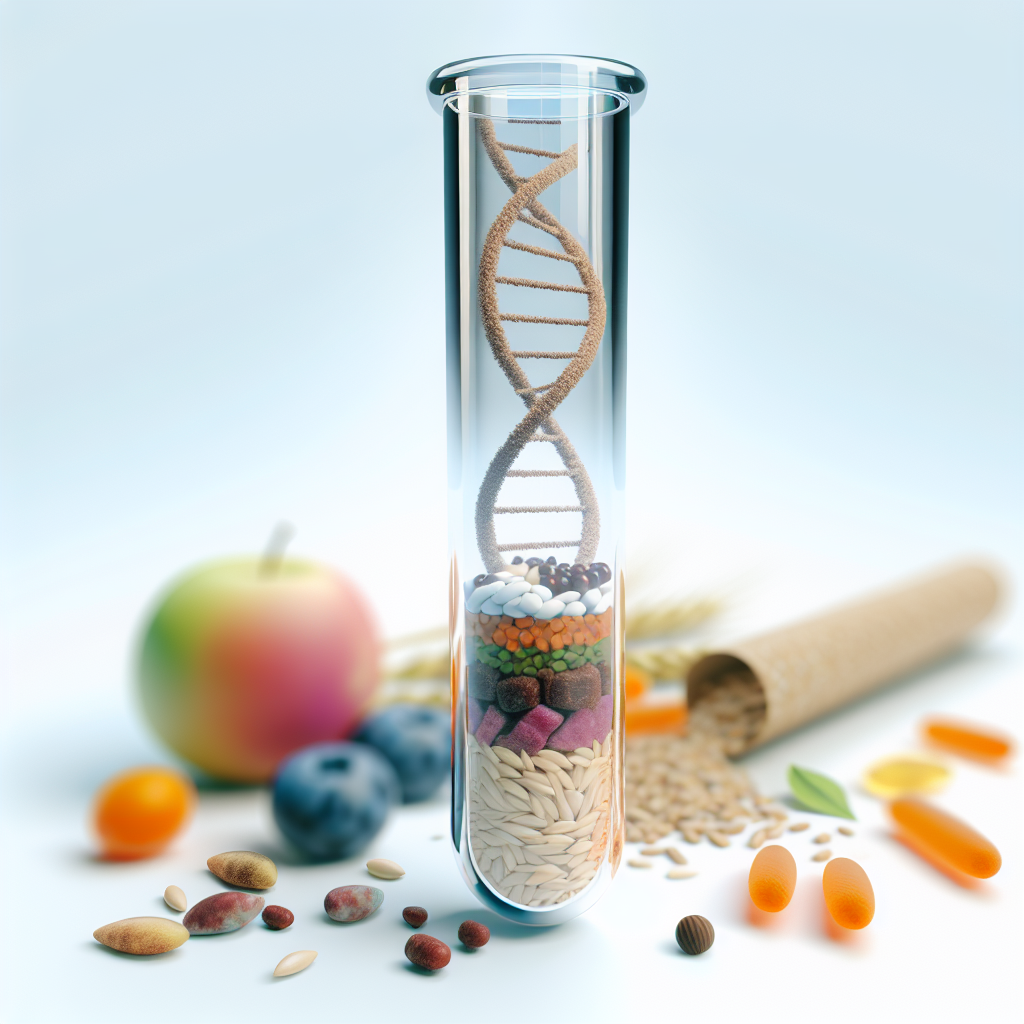
Nutrigenomics focuses on how food affects gene expression and how our unique genetic makeup influences our response to nutrients. Instead of generic dietary recommendations, this field highlights the importance of individualized nutritional plans. These plans are based on one’s genetic predispositions, ensuring nutrient intake is tailored to current health needs and for promoting long-term vitality.
The potential benefits of personalized nutrition range from reducing chronic disease risk to optimizing metabolic health and mental clarity. By aligning nutrition more accurately with genetic predispositions, individuals can make informed food choices that might extend lifespan and enhance overall health. Specific dietary components can either inhibit or promote the expression of genes that control how we age and fight off illness.
As technology evolves, the integration of nutrigenomics into daily dietary practices promises revolutionary public health strategies. Dietary components have significant roles in genetic expression, impacting bodily aging and illness resistance. This new era of dietary personalization aims to empower individuals with genetic data to optimize health and longevity.
Features
Nutrigenomics stands on the foundation of scientific research exploring diet, genetics, and disease. Projects like the Human Genome Project fund our understanding of how genes influence health. This research has set the stage for understanding specific genes’ roles in dietary responses and metabolic pathways.
Recent studies confirm the prospects of nutrigenomics. Research in the American Journal of Clinical Nutrition identified genetic markers associated with lipid metabolism dysfunction, allowing for personalized dietary strategies. Another study in Nature Reviews Genetics examined FTO gene variations and their influence on weight gain under different diets. These findings stress the necessity of including genetic data in dietary plans for effective weight management and disease prevention.
Technological advancements, such as DNA sequencing and bioinformatics, are making personalized nutrition more accessible. Companies like 23andMe provide consumer genetic tests that assist in crafting diets aligned with genetic profiles, democratizing access to personalized nutrition.
The potential of nutrigenomics to enhance longevity finds support in a growing body of empirical evidence. This evolving research continues to reveal the interwoven relationship between nutrition and genetics in shaping our lifelong health.
Conclusion
Nutrigenomics signifies a paradigm shift in approaching diet and health. With dietary recommendations rooted in genetic data, it directs us to a future where dietary interventions are precisely targeted for maximal longevity and effectiveness. While the science progresses, the journey toward widespread nutrigenomics adoption demands collaboration among scientists, healthcare practitioners, and policymakers to ensure ethical and efficient integration. The promise of revolutionized personal and public health through nutrigenomics testifies to the power of personalized diet strategies.
References
– [American Journal of Clinical Nutrition](https://academic.oup.com/ajcn)
– [Nature Reviews Genetics](https://www.nature.com/nrg)
– [23andMe](https://www.23andme.com)
Concise Summary
Nutrigenomics, the study of the interplay between genetics and nutrition, proposes personalized diets tailored to our genetic makeup, aiming to enhance longevity and health. It stems from the Human Genome Project and continues to evolve through advanced research. As genetic and dietary science intersect, personalized nutrition could revolutionize health care by allowing tailored interventions. This field’s growth reflects its potential impact on society, promising more precise health strategies through individuals’ genetic information, ultimately promoting long lives with optimal health conditions.

Dominic E. is a passionate filmmaker navigating the exciting intersection of art and science. By day, he delves into the complexities of the human body as a full-time medical writer, meticulously translating intricate medical concepts into accessible and engaging narratives. By night, he explores the boundless realm of cinematic storytelling, crafting narratives that evoke emotion and challenge perspectives.
Film Student and Full-time Medical Writer for ContentVendor.com