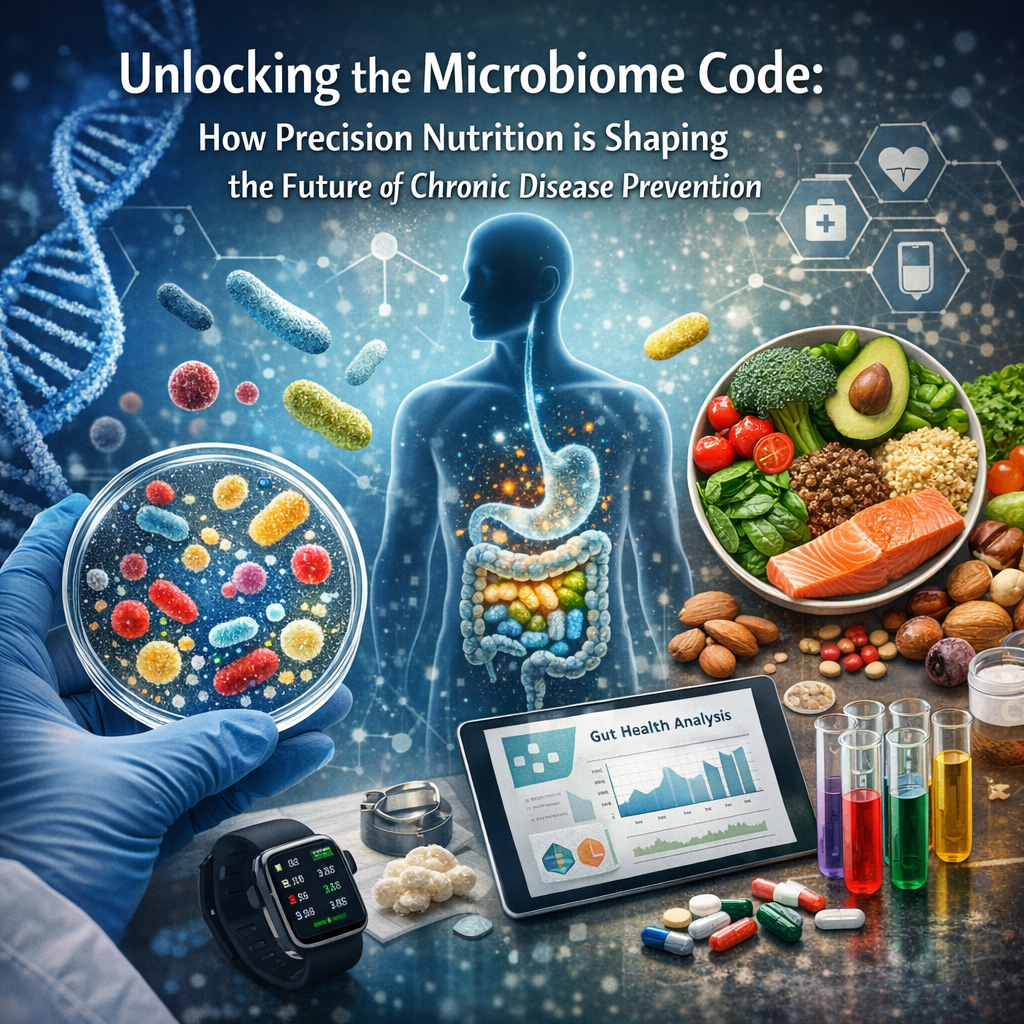
Unlocking the Microbiome Code: How Precision Nutrition is Shaping the Future of Chronic Disease Prevention
Introduction
In recent years, the study of the microbiome and its impact on human health has shifted from fringe science to the forefront of nutritional research. The microbiome—a collection of trillions of bacteria residing in our intestines—plays a crucial role in the regulation of our immune system, metabolism, and even mental health. Its complex ecosystem is now better understood thanks to advances in genomic sequencing and computational biology. As such, researchers have started to unravel how nutrition can be tailored to optimize this microbiota, offering new pathways for preventing chronic diseases like obesity, diabetes, cardiovascular disease, and autoimmune disorders.
At the heart of this paradigm shift is precision nutrition, a revolutionary approach that leverages insights from individual genetic backgrounds, lifestyle factors, and microbiome composition to create customized dietary strategies. Unlike traditional methods, which prescribe a one-size-fits-all diet, precision nutrition acknowledges the uniqueness of each individual’s microbiome, fostering more effective and sustainable health outcomes.
The growing interest in precision nutrition has been fueled by numerous studies illustrating its potential in disease prevention and health optimization. When individuals eat foods that specifically support their unique gut flora, they can significantly reduce inflammation, improve nutrient absorption, and bolster their immune defenses against chronic illness. This targeted approach not only enhances individual well-being but also has the potential to reduce the societal burden of chronic diseases, which account for a significant proportion of healthcare costs globally.
Moreover, precision nutrition is closely aligned with the philosophy of natural and holistic medicine, embracing the wisdom of nature’s remedies such as homeopathic and herbal treatments. By aligning modern scientific inquiry with traditional wisdom, precision nutrition represents a synthesis of old and new, offering an exciting frontier in health and wellness.
In this article, we will explore the burgeoning field of precision nutrition, highlighting key studies that illustrate how manipulating the microbiome can forestall the onset of chronic diseases. We’ll delve into the symbiotic relationship between diet and the gut microbiota, examine professional and medical research contributions to the field, and discuss how these findings can be translated into actionable dietary practices.
Features
Recent years have seen a wave of scholarly research underscoring the critical role of the microbiome in chronic disease prevention, prominently exploring how precision nutrition can tailor interventions to alter the gut microbiota composition beneficially. A landmark study published in “Nature Medicine” demonstrated how personalized diets driven by gut microbiome analysis led to improved blood sugar levels in participants. Researchers at the Weizmann Institute of Science in Israel profiled individuals’ microbiomes and predicted blood glucose responses to various foods, enabling the creation of tailored dietary plans that significantly improved participants’ glycemic control. This exemplifies the potential of precision nutrition to mitigate risk factors for type 2 diabetes, one of the most prevalent chronic ailments worldwide ([source](https://www.nature.com/articles/nm.3359)).
Another captivating study published in “Cell” revealed how dietary interventions targeted at the microbiome could influence inflammatory markers associated with cardiovascular disease. The research, conducted by scientists at Harvard T.H. Chan School of Public Health, found that certain fibers and polyphenol-rich foods could modulate the gut microbiota in a way that reduced systemic inflammation and cholesterol levels, thereby lowering the risk for heart disease. These findings underscore the significant link between dietary components and heart health mediated through the microbiome ([source](https://www.cell.com/)).
Furthermore, the application of precision nutrition in the context of autoimmune disorders such as rheumatoid arthritis has shown promise. A study in the “Journal of Clinical Investigation” highlighted how specific dietary adjustments led to favorable alterations in gut microbiota, which in turn lessened disease activity and improved patients’ symptoms. Individualized nutrition plans based on microbiome profiling were able to target underlying metabolic pathways involved in autoimmunity, demonstrating a powerful therapeutic potential [source](https://www.jci.org/).
These medical and professional studies are paving the way for widespread acceptance and application of precision nutrition in the prevention and management of chronic diseases. By leveraging the synergy between diet, microbiome, and genetics, precision nutrition offers a promising avenue for improving health outcomes and enhancing quality of life.
Conclusion
As we advance our understanding of the microbiome, precision nutrition emerges as a beacon of hope in the fight against chronic diseases. By offering a bespoke approach to diet, informed by the intricate interplay between our genetic make-up, lifestyle, and unique microbial communities, precision nutrition has the potential to revolutionize not only individual healthcare but also public health at large. This personalized epoch stands as a testament to the incredible complexity of human biology and the transformative power of aligning modern science with the time-honored wisdom of natural and holistic medicine. As researchers continue to decode the microbiome, the integration of precision nutrition into standard healthcare practices promises a more robust, adaptable, and efficient model for disease prevention and wellness. The future of chronic disease prevention beckons, anchored in the profound understanding that true health is deeply personal.
Concise Summary:
Precision nutrition leverages individual genetic and microbiome profiles to tailor dietary strategies, revolutionizing chronic disease prevention. By optimizing the microbiome through personalized diets, individuals can reduce inflammation and improve overall health. Research from institutions like the Weizmann Institute and Harvard shows significant potential for managing diabetes, cardiovascular diseases, and autoimmune disorders. Precision nutrition, aligning with holistic practices, promises to enhance both personal and public health, offering a transformative model for future healthcare.
References:
– [Nature Medicine](https://www.nature.com/articles/nm.3359)
– [Cell](https://www.cell.com/)
– [Journal of Clinical Investigation](https://www.jci.org/)

Dominic E. is a passionate filmmaker navigating the exciting intersection of art and science. By day, he delves into the complexities of the human body as a full-time medical writer, meticulously translating intricate medical concepts into accessible and engaging narratives. By night, he explores the boundless realm of cinematic storytelling, crafting narratives that evoke emotion and challenge perspectives.
Film Student and Full-time Medical Writer for ContentVendor.com