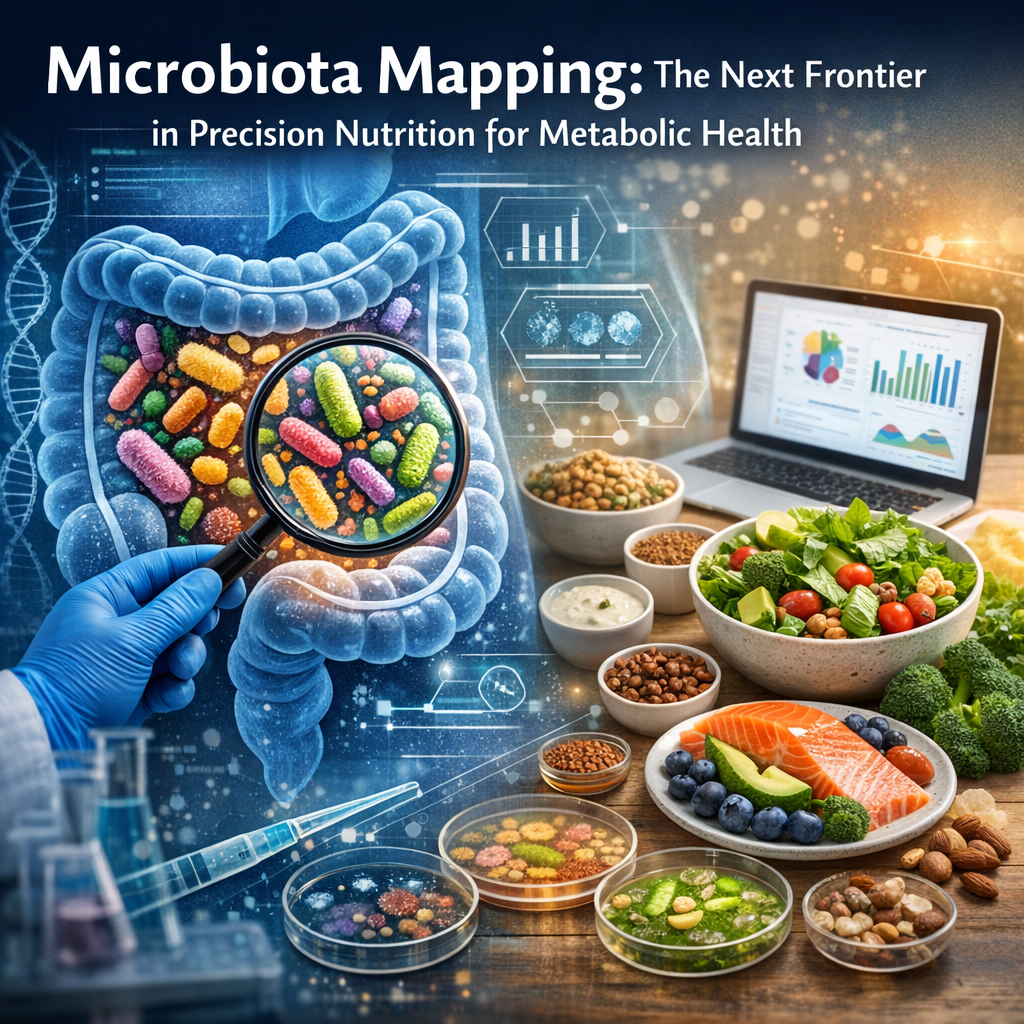
Microbiota Mapping: The Next Frontier in Precision Nutrition for Metabolic Health
Introduction:
In the evolving landscape of health and wellness, the intricate dance between our diet and our body’s response has become a focal point for scientists, nutritionists, and the health-conscious public alike. Nutrition is no longer seen as a one-size-fits-all prescription but rather as a personalized journey tailored to individual needs and genetic backgrounds. At the heart of this personalization movement lies a vital, yet often overlooked, catalyst: our microbiota.
Our gut alone houses an estimated 100 trillion microorganisms, which are key players in maintaining metabolic health, regulating the immune system, and influencing our mental well-being. The diverse community of bacteria, viruses, fungi, and other microbes residing in our bodies forms a complex ecosystem essential for health and disease prevention. Understanding and mapping this microbiome can provide powerful insights into how we process and respond to the foods we consume.
In the pursuit of metabolic health—which encompasses blood sugar regulation, maintaining a healthy weight, and reducing inflammatory markers—precision nutrition via microbiota mapping has emerged as a groundbreaking approach. By analyzing the specific components of an individual’s microbiome composition, researchers and healthcare professionals are equipped to tailor dietary recommendations that enhance metabolic efficiency and support overall well-being.
Cutting-edge technologies now allow for the sequencing and mapping of individual microbiomes, creating comprehensive profiles that can pinpoint imbalances or dysbiosis in the gut. This data can be leveraged to not only identify dietary needs but also predict vulnerabilities to metabolic disorders such as type 2 diabetes, obesity, or cardiovascular diseases. As we advance into the realm of nutrition science, microbiota mapping stands as a revolutionary tool that paves the way for a new standard of dietary recommendations rooted in the unique biological makeup of each person.
Features:
Recent advancements in microbiome research have unveiled the potential for microbiota mapping to transform how we approach metabolic health. A pivotal study published in Nature Medicine explored the relationship between dietary habits, microbiome composition, and metabolic outcomes in a cohort of over 1,100 individuals. This study demonstrated that specific gut microbiota configurations are significantly associated with insulin sensitivity and visceral fat deposition—two critical factors in metabolic health. [Nature Medicine Study](https://www.nature.com/articles/s41591-019-0479-2)
Additionally, the Personalised Responses to Dietary Composition Trial (PREDICT) conducted by King’s College London and Massachusetts General Hospital further underscored the utility of microbiota analysis. The study revealed that individuals exhibit highly variable blood sugar responses to identical meals, contingent upon their microbiome profiles. Such findings emphasize the personalized nature of nutrition, showing how a diet optimized for one person’s microbiome could have different metabolic impacts on another’s. [PREDICT Study](https://jamanetwork.com/journals/jama/fullarticle/2765859)
Medical experts also highlight the role of microbiota composition in inflammatory processes, which have direct correlations with metabolic diseases. A robust microbiome may mitigate inflammatory pathways, reducing the incidence and severity of conditions like type 2 diabetes and obesity. On the other hand, an imbalanced microbiome—often resulting from factors like poor diet, excessive antibiotic use, and stress—may exacerbate inflammatory responses and impede metabolic function.
The promising outcomes of these studies suggest that microbiota mapping is more than just an academic pursuit; it is a tangible method poised to redefine clinical nutrition. As technology in genomic sequencing becomes more accessible and cost-effective, the potential for mainstream adoption and integration into routine healthcare practices becomes increasingly viable. Enhancements in microbiome analysis could lead to predictive dietary guidelines, enabling proactive intervention strategies tailored to individual metabolic susceptibilities.
Conclusion:
Microbiota mapping represents a significant leap forward in the field of precision nutrition. By offering insights into the nuanced interactions between our diet, microbiome, and metabolic health, it allows for an unprecedented level of personalization in dietary recommendations. This individualized approach facilitates more effective management of metabolic health, potentially reversing or preventing conditions such as obesity and type 2 diabetes.
The embrace of microbiota mapping in nutritional science not only supports the demand for personalized wellness approaches but also signals a paradigm shift in preventive healthcare strategies. As we continue to decode the vast complexities of the human microbiome, integrative practices that align with each person’s unique physiological makeup will lay the foundation for sound metabolic health and holistic well-being. Adapting to this new frontier of nutrition will challenge existing notions of dietary guidelines and promote a more informed, proactive approach to health and nutrition.
References:
– [Nature Medicine Study](https://www.nature.com/articles/s41591-019-0479-2)
– [PREDICT Study](https://jamanetwork.com/journals/jama/fullarticle/2765859)
Concise Summary:
Microbiota mapping is transforming precision nutrition by understanding the interaction between diet, the gut microbiome, and metabolic health. The approach enables personalized dietary plans to optimize metabolic health, prevent conditions like obesity and diabetes, and reduce inflammation. Studies such as those published in Nature Medicine and from the PREDICT trial highlight varying individual responses to dietary interventions based on microbiome profiles. As microbiome sequencing technologies advance, they show potential for major healthcare integration, offering a proactive and personalized strategy to dietary management and metabolic wellness.

Dominic E. is a passionate filmmaker navigating the exciting intersection of art and science. By day, he delves into the complexities of the human body as a full-time medical writer, meticulously translating intricate medical concepts into accessible and engaging narratives. By night, he explores the boundless realm of cinematic storytelling, crafting narratives that evoke emotion and challenge perspectives.
Film Student and Full-time Medical Writer for ContentVendor.com