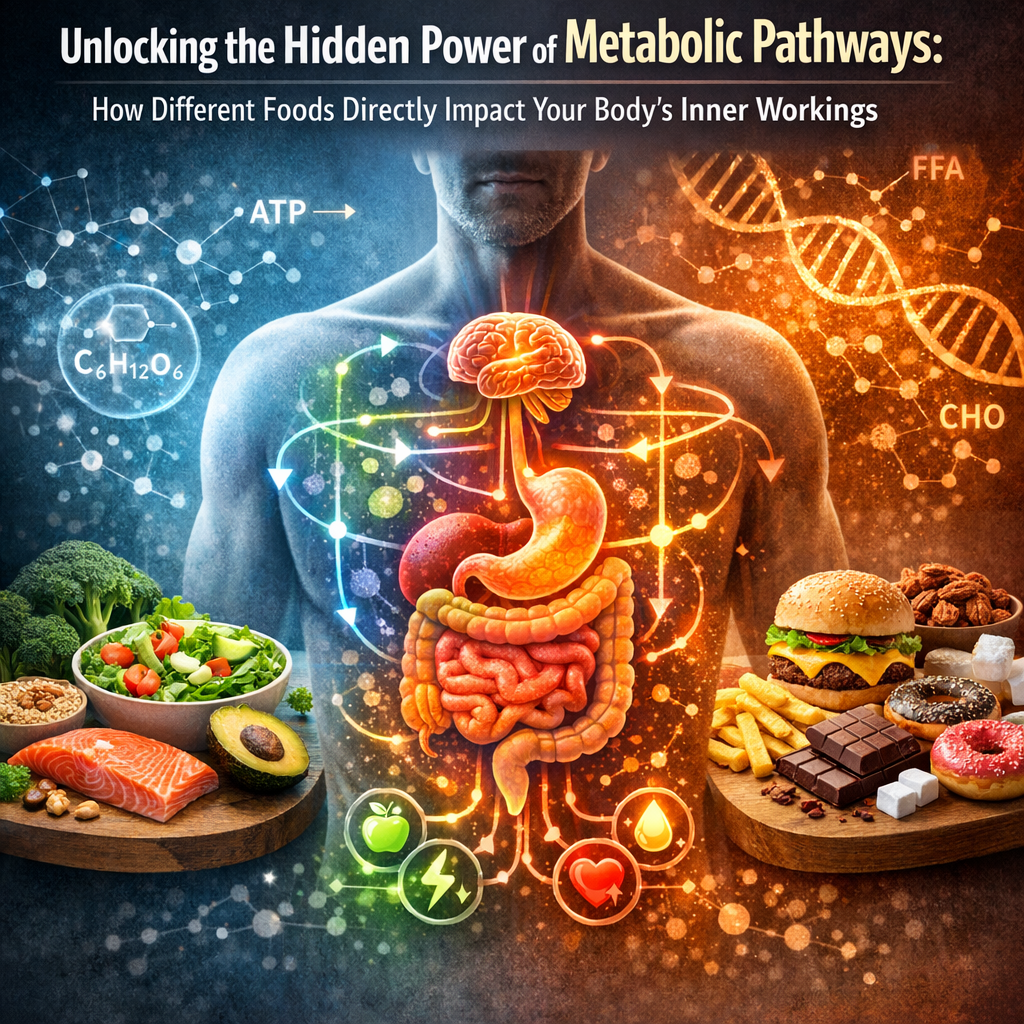
Unlocking the Hidden Power of Metabolic Pathways: How Different Foods Directly Impact Your Body’s Inner Workings
Introduction
Our bodies are complex systems that rely on a finely-tuned network of processes to operate efficiently. Central to these processes are metabolic pathways, which act like superhighways, transporting nutrients, energy, and even information throughout our bodies. Metabolic pathways are responsible for converting the food we consume into the energy and components we need to grow, heal, and maintain optimal health. While we might take our body’s inner workings for granted, each bite of food sets off a cascade of events that can either support or hinder these critical pathways. Understanding how different foods impact our metabolism is key to unlocking our full health potential.
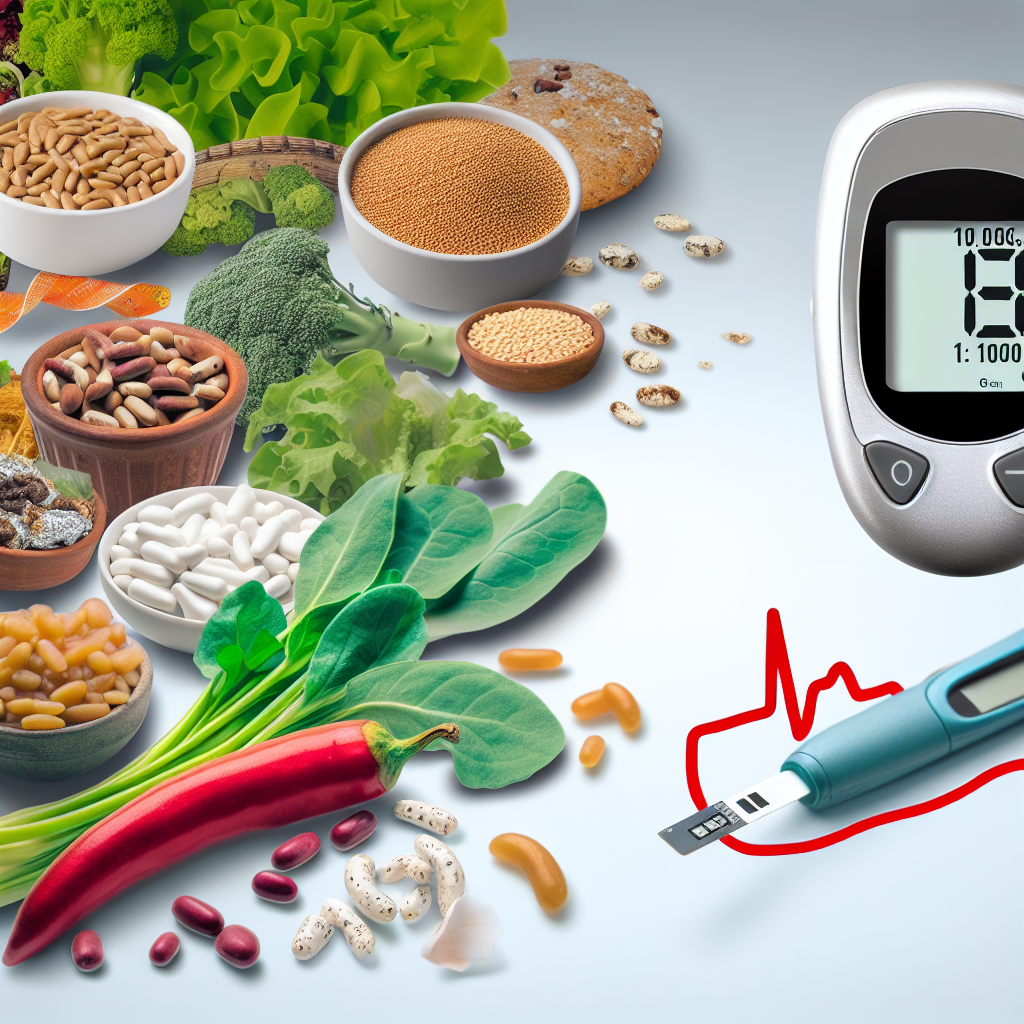
In recent years, there has been growing interest in how diets can influence metabolic function and, subsequently, overall health. Chronic diseases such as obesity, type 2 diabetes, and cardiovascular disease may, in part, be managed by optimizing metabolic pathways through diet. Foods rich in nutrients, such as omega-3 fatty acids, fiber, and antioxidants, have the potential to enhance these pathways, promoting better health outcomes. Conversely, excessive consumption of processed foods, sugars, and unhealthy fats can interfere with normal metabolic processes, leading to detrimental health effects.
The intricate relationship between diet and metabolic pathways offers a hopeful perspective for natural cures and treatments. By harnessing the power of nutrition, individuals can take proactive steps toward improved well-being. Homeopathic and herbal treatments often emphasize the role of natural food sources, reinforcing the body’s ability to heal itself by supporting these pathways. Evidence-based research alongside traditional knowledge presents a holistic approach to health, underscoring the significance of what we eat every day.
This article aims to illuminate the connection between food and metabolic pathways, providing insights into how dietary choices directly impact our body’s inner workings. By exploring scientific studies and practical applications, readers can gain a deeper understanding of how to leverage food as a powerful tool for enhancing health.
Features
Scientific studies play an essential role in elucidating the impact of diet on metabolic pathways. For example, research conducted by the [National Institutes of Health](https://www.nih.gov) highlights the benefits of omega-3 fatty acids, commonly found in fish and flaxseeds, in modulating metabolic pathways related to inflammation and lipid metabolism. These studies suggest omega-3s may reduce inflammation markers and improve lipid profiles, showcasing their power to optimize metabolic health.
Another significant study published in the journal [*Nutrition Reviews*](https://academic.oup.com/nutritionreviews) examines the role of dietary fiber. Researchers found that fiber, abundant in fruits, vegetables, and whole grains, enhances insulin sensitivity and alters gut microbiota composition in ways that favorably affect metabolism. This research underscores the importance of dietary fiber in preventing metabolic diseases, such as type 2 diabetes.
Antioxidant-rich foods, including berries, nuts, and green tea, have been shown to combat oxidative stress, a condition that disrupts normal metabolic function. A study in the [*Journal of Nutritional Biochemistry*](https://www.sciencedirect.com/science/journal/09552863) demonstrated that these foods support pathways that detoxify harmful substances, thereby protecting cells and tissues from damage.
Moreover, herbal and homeopathic traditions provide additional insights into the metabolic benefits of certain plants and herbs. Turmeric and its active compound curcumin have garnered attention for their ability to regulate pathways involved in inflammation and metabolism. Studies published in [*Molecular Nutrition & Food Research*](https://onlinelibrary.wiley.com/journal/16134133) suggest curcumin may improve metabolic function and reduce the risk of chronic diseases.
These and other scientific endeavors paint a compelling picture of how dietary interventions may enhance metabolic pathways. By strategically including beneficial foods in one’s diet, it is possible to influence critical metabolic processes, leading to a healthier and more balanced life.
Conclusion
By understanding how different foods affect our body’s metabolic pathways, we can make informed decisions that support long-term health and wellness. Whether through the application of research-backed dietary strategies or traditional herbal remedies, the relationship between diet and metabolism offers exciting possibilities for natural and effective health interventions. Empowering ourselves with knowledge about these connections enables us to harness the power of food as medicine.
As we strive to navigate the complexities of modern health challenges, focusing on nutrient-rich, whole foods that support our metabolic pathways can lead to significant improvements in well-being. These dietary choices not only fuel our bodies but also enhance the intricate networks that maintain and restore our health. As the interest in natural cures and treatments grows, the potential to unlock the hidden power of metabolic pathways through our diets beckons as a promising frontier for healing and wellness.
Concise Summary: This article explores how metabolic pathways convert food into energy and essential components, emphasizing how nutrients like omega-3 fatty acids, fiber, and antioxidants can optimize these pathways. It highlights the role of dietary choices in managing chronic diseases such as obesity, type 2 diabetes, and cardiovascular disease, and underscores the significance of whole, nutrient-rich foods. By leveraging scientific insights and traditional knowledge, individuals can harness the power of food to improve metabolic function and support overall health and wellness.

Dominic E. is a passionate filmmaker navigating the exciting intersection of art and science. By day, he delves into the complexities of the human body as a full-time medical writer, meticulously translating intricate medical concepts into accessible and engaging narratives. By night, he explores the boundless realm of cinematic storytelling, crafting narratives that evoke emotion and challenge perspectives.
Film Student and Full-time Medical Writer for ContentVendor.com