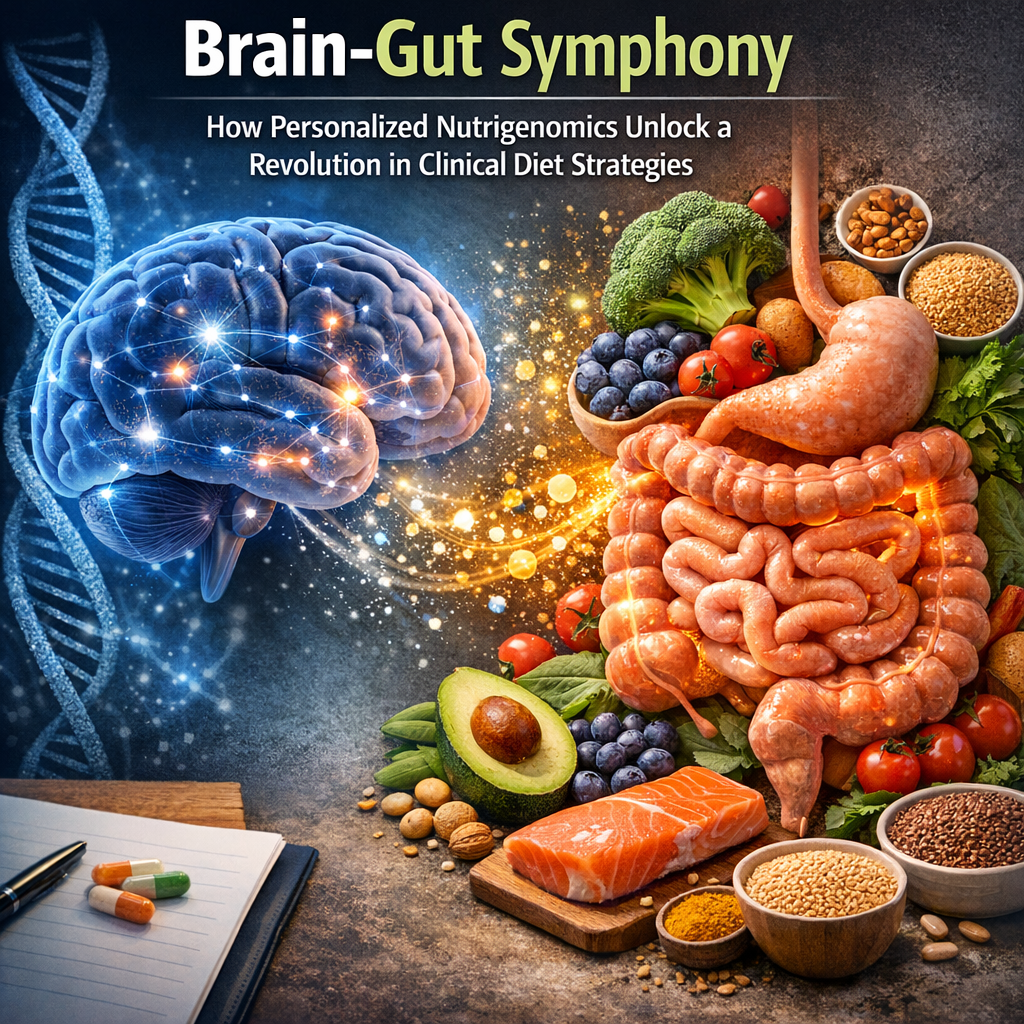
Brain-Gut Symphony: How Personalized Nutrigenomics Unlock a Revolution in Clinical Diet Strategies
Introduction
The intricate relationship between the brain and the gut has garnered significant attention in recent years, with emerging research highlighting the profound impact this connection has on overall health and well-being. At the center of this dynamic interplay lies the burgeoning field of personalized nutrigenomics—a transformative approach that tailors nutritional interventions based on individual genetic variations. By exploring the synergistic dance of our genetic makeup and dietary choices, nutrigenomics opens up new avenues for optimizing clinical diet strategies, ultimately harmonizing the brain-gut axis.
The brain-gut connection operates through a bidirectional communication network known as the gut-brain axis. This complex web of neural, hormonal, and immunological signals facilitates constant dialogue between the central nervous system and the gastrointestinal tract. Recent studies have illuminated the crucial role gut microbiota play in this axis, influencing everything from mood and cognition to immune function and metabolic health. Personalized nutrigenomics offers a revolutionary approach to harnessing this brain-gut dialogue in designing individualized dietary plans that address specific health concerns.
At the heart of personalized nutrigenomics lies the understanding of how genetic variations—tiny differences in our DNA—affect how we metabolize and respond to various nutrients. This knowledge allows for customized dietary recommendations that align with each individual’s unique genetic profile. By embracing nutrigenomics, we can break free from one-size-fits-all diet paradigms and unlock the potential of diets tailored not just to personal preferences, but to genetic predispositions as well.
The implications of personalized nutrigenomics for clinical diet strategies are profound. Not only does it offer the potential to enhance weight management and metabolic health, but it also holds promise for addressing mental health disorders, autoimmune conditions, and cognitive decline. As the science of nutrigenomics rapidly evolves, it provides healthcare professionals and individuals with the tools needed to create personalized, precise, and effective dietary interventions.
Features
A growing body of research underscores the transformative potential of personalized nutrigenomics in clinical diet strategies. Notable studies have demonstrated the profound impact of gene-nutrient interactions on health outcomes, paving the way for groundbreaking advancements in precision nutrition.
One such study, published in the journal [Cell](https://www.cell.com/), explored the influence of genetic variations on gut microbiota composition and function. Researchers discovered that certain genetic markers were linked to variations in gut microbial profiles, which in turn affected metabolic responses and inflammation levels. This study highlighted the potential of using genetic insights to customize dietary recommendations that align with an individual’s microbial constitution, maximizing health benefits.
Additionally, a landmark study published in [Nature Medicine](https://www.nature.com/nm/) delved into the connection between personalized nutrigenomics and mental health. The researchers investigated how variations in genes related to neurotransmitter metabolism and absorption influenced the response to specific nutrients, such as omega-3 fatty acids and B vitamins. The findings indicated that personalized dietary interventions could mitigate symptoms of anxiety and depression, opening up new avenues for integrated mental health management.
Moreover, the impact of personalized nutrigenomics on metabolic health is illustrated in a comprehensive study by the [American Journal of Clinical Nutrition](https://academic.oup.com/ajcn). Researchers examined the interactions between genetic variations and dietary fat intake, revealing personalized strategies for optimizing lipid profiles and reducing the risk of cardiovascular disease. This study emphasizes the potential of nutrigenomics to inform dietary recommendations that not only support heart health but also embrace individual genetic diversity.
These professional studies underscore the growing recognition of personalized nutrigenomics as a cornerstone of modern clinical diet strategies. By leveraging genetic insights, healthcare professionals and individuals can make informed decisions about dietary interventions, enhancing overall health and disease prevention.
Conclusion
In conclusion, the brain-gut symphony orchestrated by personalized nutrigenomics heralds a new era in clinical diet strategies. By harmonizing the complex interplay of genetics, nutrition, and gut health, personalized nutrigenomics empowers individuals to take charge of their health journey with precision and efficacy. As the field continues to evolve, it holds the promise of redefining dietary paradigms, offering holistic solutions that embrace genetic diversity and optimize well-being.
The transformational potential of personalized nutrigenomics lies in its ability to bridge the gap between genetic predispositions and dietary interventions. By crafting individualized strategies that respond to unique genetic profiles, this approach not only addresses dietary-related health concerns but also supports mental and emotional well-being. With continued advancements in genetic research and nutritional sciences, the future of clinical diet strategies looks promising, driven by the harmonious integration of science, technology, and personalized care.
Concise Summary:
Personalized nutrigenomics is transforming clinical diet strategies by tailoring nutritional interventions according to individual genetic variations. By understanding the brain-gut axis and the role of gut microbiota, this approach facilitates customized dietary plans aligned with genetic profiles. Studies reveal potential benefits for mental health, metabolic health, and cardiovascular disease prevention. By leveraging gene-nutrient interactions, healthcare professionals can create precise dietary interventions, enhancing overall health and well-being, and offering a personalized approach to nutrition. As research progresses, personalized nutrigenomics promises to redefine dietary strategies, emphasizing genetic diversity and holistic health optimization.

Dominic E. is a passionate filmmaker navigating the exciting intersection of art and science. By day, he delves into the complexities of the human body as a full-time medical writer, meticulously translating intricate medical concepts into accessible and engaging narratives. By night, he explores the boundless realm of cinematic storytelling, crafting narratives that evoke emotion and challenge perspectives.
Film Student and Full-time Medical Writer for ContentVendor.com