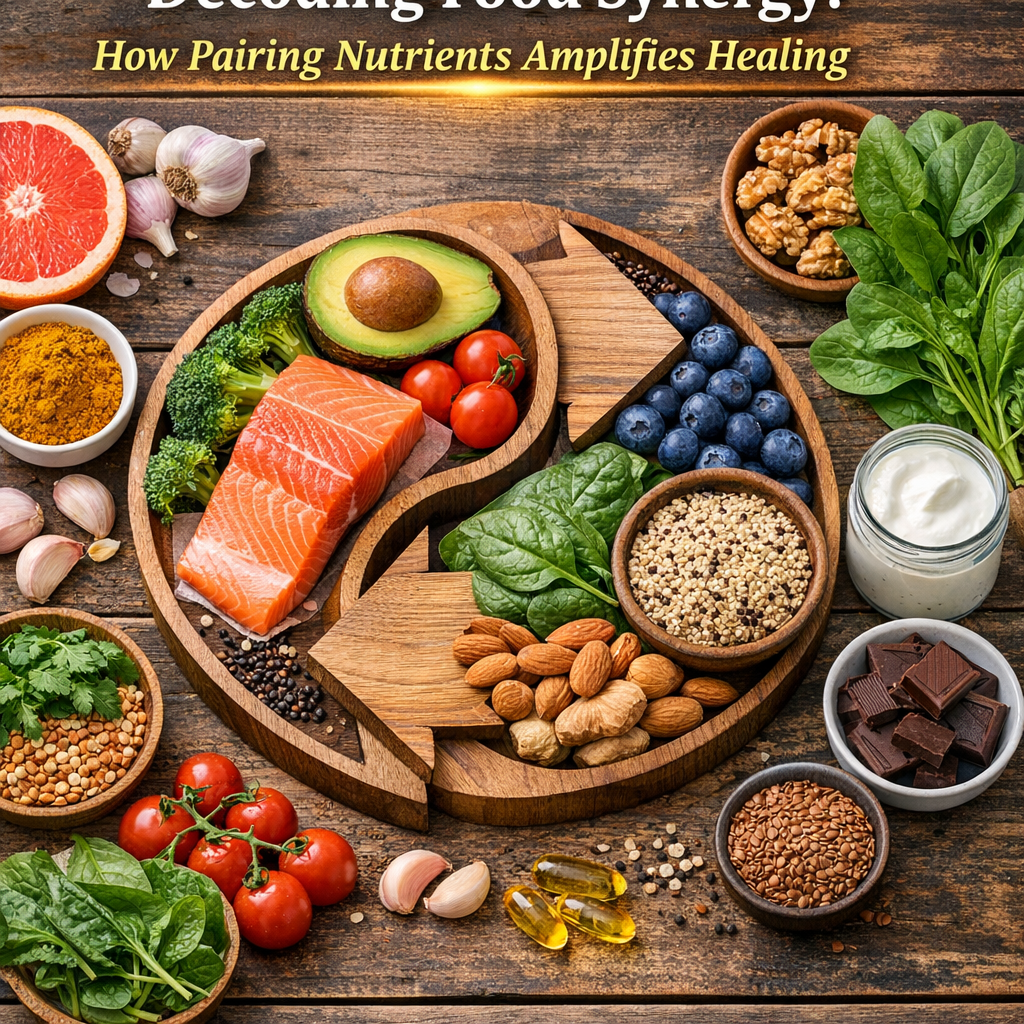
Decoding Food Synergy: How Pairing Nutrients Amplifies Healing
In the ever-evolving landscape of nutrition and wellness, the concept of food synergy is increasingly gaining attention from health enthusiasts, researchers, and practitioners of natural medicine. Food synergy refers to the interactive effect of combining different foods and nutrients, amplifying their overall health benefits beyond what they can achieve individually. This holistic approach to nutrition emphasizes the power of whole foods and complementary pairings, as opposed to isolated nutrients.
At the heart of food synergy is the idea that certain nutrients can enhance the absorption, effectiveness, and bioavailability of others. For centuries, traditional healing practices have thrived on synergistic food combinations, exemplified by age-old remedies like turmeric and black pepper, which enhance each other’s anti-inflammatory and antioxidant properties. Similar principles are seen in the pairing of vitamin C-rich foods with iron sources to boost iron absorption – a strategy employed in global dietary guidelines to combat anemia.
In the realm of natural cures and homeopathic treatments, food synergy offers an exciting frontier. It encourages a return to an intuitive and interconnected understanding of our diet, promoting wellness by leveraging the dynamic relationships within foods. This approach is particularly significant in the modern world where processed foods dominate, often stripped of the natural synergies inherent in whole food consumption. By focusing on these nutrient pairings, individuals may experience amplified healing responses, improved immune function, and an overall enhanced sense of wellbeing.
This exploration into food synergy is also supported by growing scientific evidence. Research has demonstrated that the complex interplay of macronutrients, micronutrients, enzymes, and phytochemicals can have profound effects on health outcomes. With the rise of diet-related chronic illnesses, understanding and applying the principles of food synergy offers practical, affordable, and effective strategies for disease prevention and health optimization. As we delve deeper into this topic, we will examine some key studies and real-world applications that underscore the potential of nutrient pairings in promoting healing and wellness.
Evidence and Research on Food Synergy
Scientific exploration into food synergy has produced compelling insights that highlight its significance in health and healing. A landmark study published in the Journal of Nutrition underscores the combined effect of food components, suggesting that the whole food is more beneficial than its isolated nutrients. The study emphasizes that the interaction between nutrients in whole foods is critical to their health benefits, supporting the ideology that our dietary focus should shift towards combinations rather than isolated nutrients for optimal health outcomes.
One of the most cited combinations in food synergy research is the pairing of lycopene-rich tomatoes and healthy fats, such as olive oil or avocado. A study documented in Nutrition Reviews found that the absorption of lycopene, a powerful antioxidant, increases significantly when tomatoes are consumed with healthy fats. This interaction can be particularly beneficial in reducing the risk of cardiovascular diseases and certain cancers.
Further, the synergy between vitamin D and calcium is another well-researched topic. These nutrients work in tandem to enhance bone mineralization and density, a critical factor in preventing osteoporosis. A clinical review published in The American Journal of Clinical Nutrition highlights how sufficient levels of vitamin D increase calcium absorption, thereby amplifying the bone-strengthening effects of dietary calcium.
Additionally, the pairing of curcumin in turmeric and piperine in black pepper is a classic example of food synergy. Studies, including one published in Planta Medica, illustrate that piperine enhances the bioavailability of curcumin by up to 2000%, significantly boosting its anti-inflammatory and antioxidant effects—this pair forms part of traditional Ayurvedic remedies aimed at treating a variety of ailments, further validating the power of dietary synergies in health and healing.
Conclusion
The exploration of food synergy is a testament to the complexity and potential of our diets in promoting health and healing. By understanding and leveraging these nutrient pairings, we can enhance the therapeutic potential of our diets, harnessing natural ingredients to support our bodies’ healing mechanisms. As research continues to unveil the myriad interactions within our food, integrating food synergy into daily routines offers a promising, holistic approach to health. Embracing whole foods and strategic combinations not only optimizes nutrient intake but also aligns with sustainable and holistic living, fostering a deeper connection between diet, health, and wellbeing.
Concise Summary:
Food synergy, which emphasizes the health benefits of nutrient pairings in whole foods, is gaining popularity. It highlights how certain nutrient combinations can enhance absorption and effectiveness. Traditional remedies, like turmeric and black pepper, showcase this concept, and modern science supports it. Research underlines the significance of combinations such as lycopene with healthy fats for cancer prevention and the synergy between vitamin D and calcium for bone health. Understanding and applying food synergy could offer practical strategies for disease prevention and wellness.

Dominic E. is a passionate filmmaker navigating the exciting intersection of art and science. By day, he delves into the complexities of the human body as a full-time medical writer, meticulously translating intricate medical concepts into accessible and engaging narratives. By night, he explores the boundless realm of cinematic storytelling, crafting narratives that evoke emotion and challenge perspectives.
Film Student and Full-time Medical Writer for ContentVendor.com