Decoding the Gut-Microbiome Symphony: Unleashing Hidden Pathways for Chronic Disease Reversal
Introduction
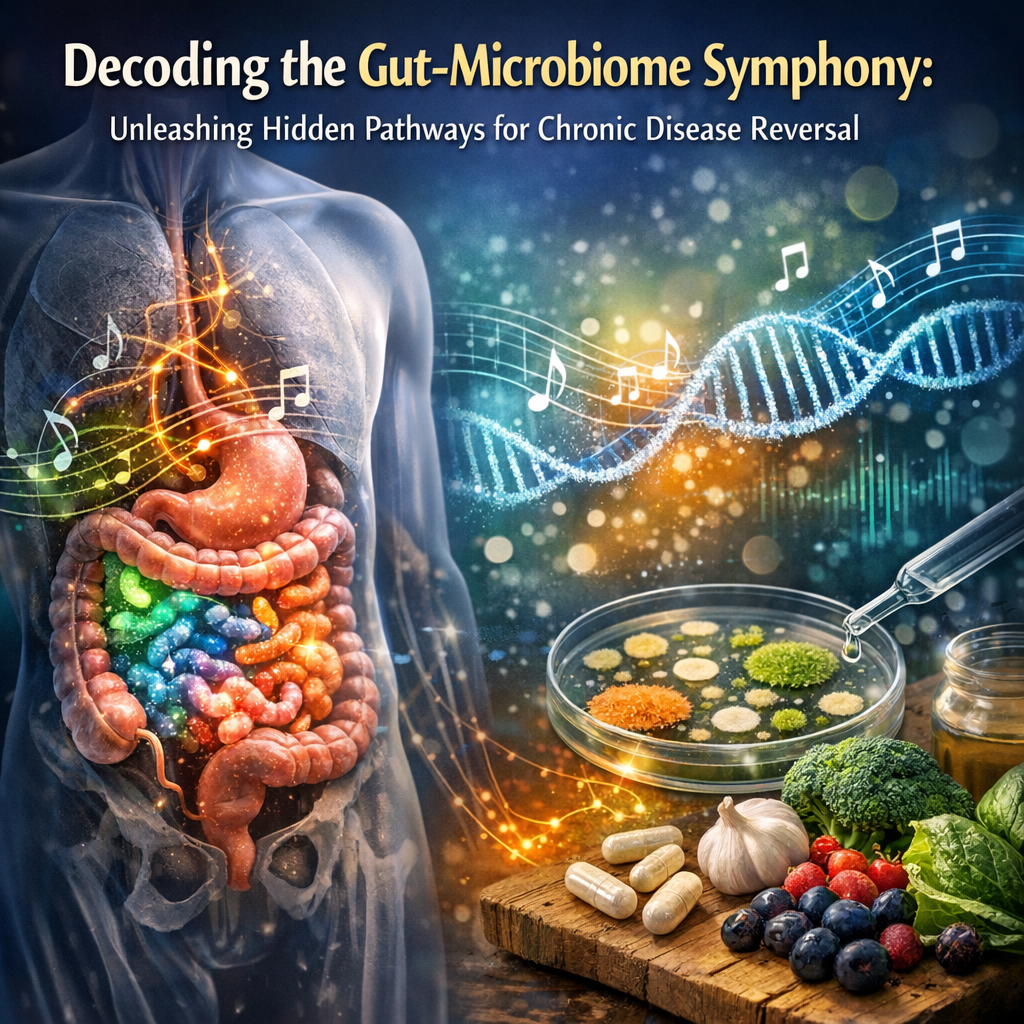
In recent years, scientific advancements have transformed our understanding of human health, identifying the gut microbiome as a crucial component for overall well-being. This intricate community of microorganisms within the gastrointestinal tract plays a key role in bodily functions such as digestion, immune response, and even mental health. The gut microbiome’s interactions make it an orchestrator in human health, influencing both acute and chronic conditions.
Research suggests that an imbalanced gut microbiome, or dysbiosis, is linked to various chronic diseases, such as obesity, diabetes, cardiovascular disease, and autoimmune disorders. Harnessing this internal system to manage these diseases offers an exciting frontier in medical science and holistic health practices.
Natural cures, homeopathic approaches, and herbal treatments aim to restore balance within the gut microbiota, potentially complementing conventional medicine. Consuming nutritionally dense foods, probiotics, prebiotics, and fermented products can promote not just better digestion but improvement in chronic diseases. Herbs like turmeric, ginger, and garlic have anti-inflammatory and antimicrobial properties supporting gut health.
As interest in natural treatments grows, decoding the gut-microbiome relationship becomes critical. We explore innovative pathways for leveraging the microbiome to enhance disease tolerance and possibly reversal, spotlighting how these hidden pathways might unlock healthier futures for those with chronic diseases.
Features
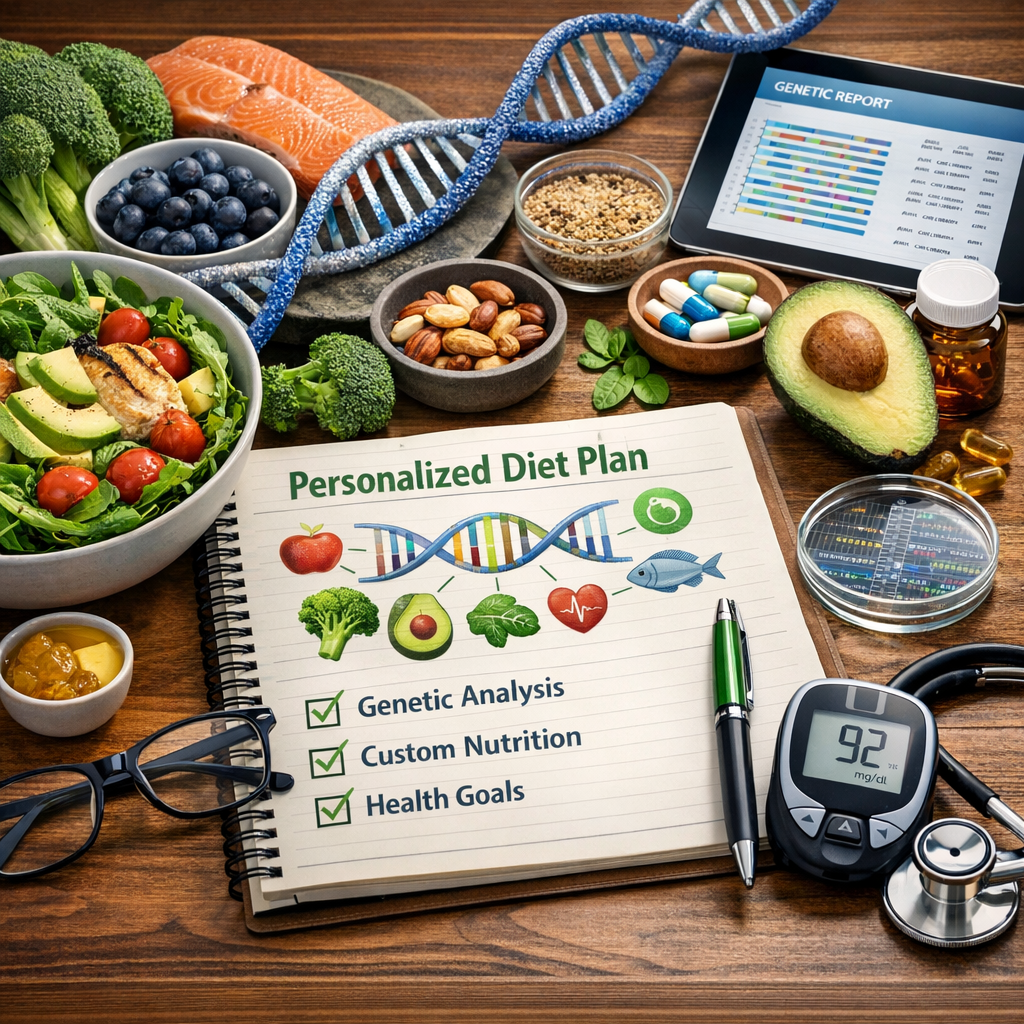
Recent advances in gut microbiome research highlight its potential benefits in chronic disease management. For example, a [study published in the journal *Nature*](https://www.nature.com/articles/d41586-019-00610-6) demonstrated that certain *bacterial strains* in the gut can predict responses to obesity-related treatments. Individuals with a diverse microbiota responded better to dietary interventions for weight management, suggesting that personalized nutrition could effectively combat obesity.
Also, [a study in *Cell Host & Microbe*](https://www.cell.com/cell-host-microbe/fulltext/S1931-3128(20)30309-X) discussed the gut microbiome’s influence on immunotherapy efficacy in cancer patients. Patients with specific gut bacterial compositions had better survival rates, indicating that altering gut microbiota might enhance treatment outcomes for certain cancers.
The [American Gut Project](http://americangut.org/), the largest crowd-sourced microbiome project, is gathering data to understand how diet and lifestyle affect microbiome diversity and health outcomes. Their research underscores the importance of dietary diversification and consuming fermented foods to promote a healthy gut.
Homeopathic and herbal treatments have also shown promise in modulating the gut microbiome. [Research in *Frontiers in Pharmacology*](https://www.frontiersin.org/articles/10.3389/fphar.2020.00524/full) found that herbs like licorice, high in glycyrrhizic acid, can foster beneficial changes in gut flora, reducing symptoms associated with metabolic disorders.
These scientific investigations are encouraging a paradigm shift in healthcare, emphasizing prevention and holistic approaches. By leveraging the gut microbiome, it may be possible to design personalized, natural interventions for chronic diseases, creating pathways for improved health outcomes without solely relying on pharmacological solutions.
Conclusion
As our understanding of the gut microbiome expands, so does the potential for natural, holistic wellness approaches that prioritize gut health. The orchestration of microorganisms in the gut stresses an important truth: to affect long-term health outcomes, we must consider not just individual symptoms but the ecosystems within us.
Natural treatments and lifestyle interventions focusing on enhancing gut diversity and function can serve as powerful allies in tackling chronic diseases. By integrating ancient wisdom with modern science, we enter an era where the complexities of the gut microbiome could unlock methodologies for chronic disease reversal. As research progresses, a versatile, gut-focused strategy may support a future where heightened health and well-being are naturally accessible.
Concise Summary
The gut microbiome, an intricate ecosystem within us, is pivotal to numerous bodily functions and is linked to various chronic conditions. Recent studies underscore its potential in disease management, suggesting that natural cures, nutritional strategies, and herbal treatments could complement conventional medicine. By focusing on gut health through personalized diets, probiotics, and prebiotics, there’s potential for managing and even reversing chronic diseases. This evolving research promotes a shift towards holistic healthcare, promising improved treatment outcomes without reliance solely on pharmaceuticals, moving towards a future where well-being is achieved in a naturally harmonious manner.
References
1. Nature Magazine
2. Cell Host & Microbe
3. American Gut Project
4. Frontiers in Pharmacology

Dominic E. is a passionate filmmaker navigating the exciting intersection of art and science. By day, he delves into the complexities of the human body as a full-time medical writer, meticulously translating intricate medical concepts into accessible and engaging narratives. By night, he explores the boundless realm of cinematic storytelling, crafting narratives that evoke emotion and challenge perspectives.
Film Student and Full-time Medical Writer for ContentVendor.com