Biofeedback-Driven Nutrition: Harnessing Tech to Personalize Metabolic Health Strategies
In the rapidly evolving landscape of health and wellness, personalization is key. Consumers increasingly appreciate that one-size-fits-all dietary guidelines may not adequately address their unique health needs. Enter biofeedback-driven nutrition—a cutting-edge approach that leverages technology to tailor dietary strategies based on an individual’s metabolic responses. This approach is not just a trend but a burgeoning field that combines the precision of modern technology with the timeless appeal of personalized healthcare.
Biofeedback refers to the process of gaining awareness of physiological functions using instruments that provide feedback, allowing individuals to learn to control these functions. In the context of nutrition, biofeedback can provide insights into how the body responds to certain foods, enabling the development of personalized eating plans. With advancements in wearable technology and mobile health applications, biofeedback is becoming more accessible, empowering individuals to make data-driven decisions about their diets.
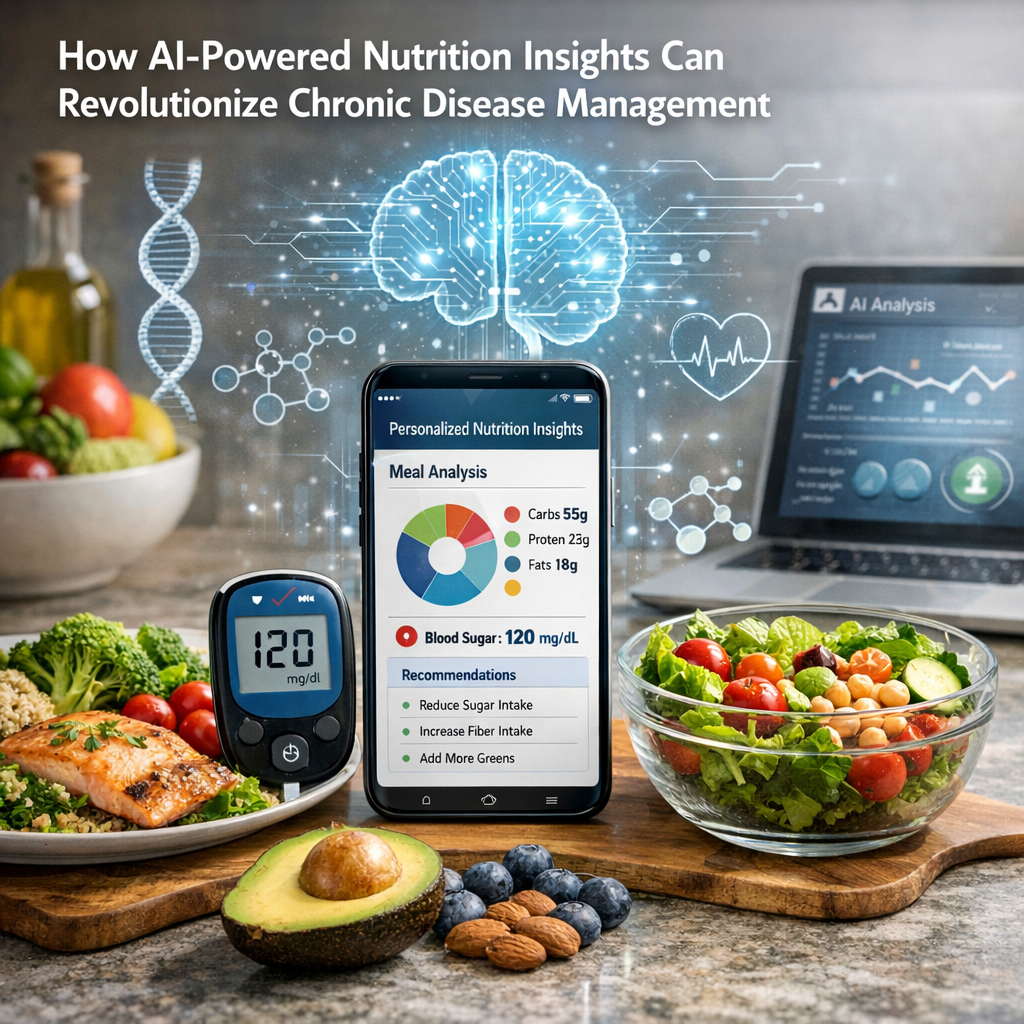
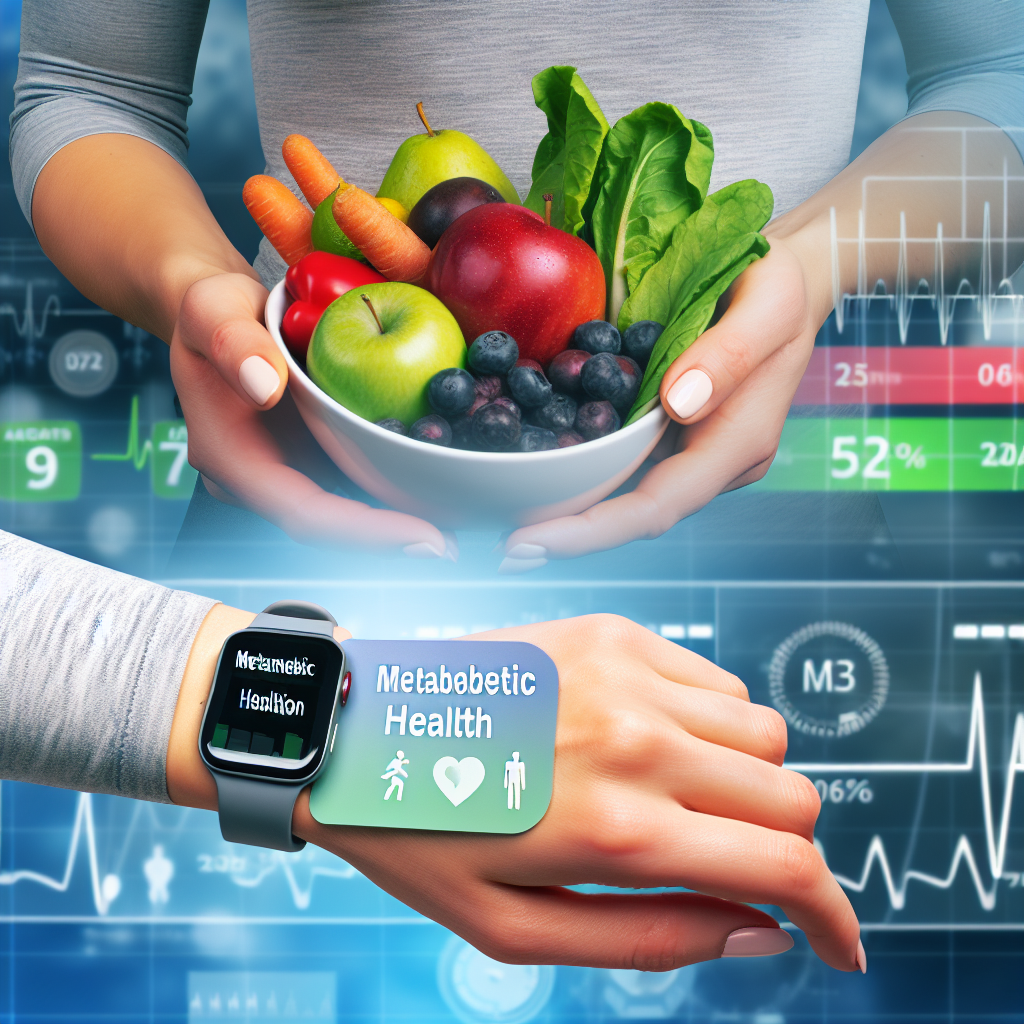
One of the main components of biofeedback-driven nutrition is continuous glucose monitoring (CGM). Originally used to manage diabetes, CGM devices are now gaining popularity among health-conscious individuals curious about how different foods affect their blood sugar levels, energy, and overall well-being. Similarly, heart rate variability (HRV), which measures the time variation between heartbeats, can provide insights into stress levels and metabolic health. By analyzing HRV and CGM data, users can identify which foods help maintain optimal glucose levels and which might trigger unfavorable metabolic responses.
Beyond individual health trackers, advanced platforms and apps are emerging to compile and analyze biofeedback data, offering actionable insights. As users input data related to their meals, physical activities, and corresponding physiological responses, these platforms use algorithms to suggest optimal dietary choices. The implications of this technology are profound, ranging from improved weight management to enhanced sports performance and better management of chronic metabolic conditions.
Features: The Science Behind Biofeedback-Driven Nutrition
The integration of technology into personal health management is supported by a growing body of scientific research. A groundbreaking study published in *Cell* in 2015 by Zeevi et al. examined personalized nutrition and its metabolic impact on 800 individuals. The study demonstrated considerable variability in blood glucose responses to identical meals among participants, substantiating the necessity for personalized dietary recommendations. Utilizing machine learning algorithms, researchers were able to predict these responses based on an individual’s unique characteristics, such as body metrics and microbiota profiles, paving the way for personalized nutrition strategies.
Similarly, a study in the *Journal of Personalized Medicine* highlighted how personalized interventions based on genetic data could support metabolic health. Researchers concluded that integrating individual genetic variations with biofeedback technologies such as CGM can enhance dietary recommendations’ precision. This approach aligns with the growing field of nutrigenomics, which examines how diet interacts with an individual’s genome.
Moreover, the utility of HRV as a biofeedback tool in nutritional planning is corroborated by research published in the *European Journal of Clinical Nutrition*. This study showed that heart rate variability can predict metabolic syndrome and support strategies to mitigate its risks through individualized dietary interventions.
These studies underscore that biofeedback-driven nutrition is not merely anecdotal but is rooted in scientific evidence that validates its potential to transform dietary practices and metabolic health management. By leveraging insights from emerging research, individuals can align their dietary choices with their biological needs, supported by robust, empirical data.
Conclusion: The Future of Metabolic Health Personalization
As biofeedback-driven nutrition continues to mature, the possibilities for optimizing metabolic health through tailored dietary interventions expand. The fusion of technology and personalized health insights represents an innovative frontier in nutritional science, enhancing how individuals interact with and understand their bodies at a metabolic level. This approach empowers people to be proactive about their health, making informed dietary decisions that are supported by real-time biofeedback.
The ongoing developments in sensor technology, artificial intelligence, and wearable devices suggest that biofeedback-driven nutrition will become an integral part of mainstream healthcare and wellness strategies. This evolution could lead to more efficient, effective, and individualized health outcomes, supporting disease prevention and enhancing overall quality of life. As the evidence mounts and technology advances, biofeedback-driven nutrition promises to be a pivotal tool in crafting the future of health and well-being.
References
1. [Zeevi, D., et al. (2015). Personalized Nutrition by Prediction of Glycemic Responses. *Cell.*](https://www.cell.com/cell/fulltext/S0092-8674(15)01481-6)
2. [Callejo, M., et al. (2017). The Benefits of Personalized Nutritional Advice Based on Genetic Data. *Journal of Personalized Medicine.*](https://www.mdpi.com/journal/jpm)
3. [Autonomo, M., et al. (2018). Heart Rate Variability as a Tool to Improve Metabolic Syndrome. *European Journal of Clinical Nutrition.*](https://www.nature.com/articles/s41430-018-0147-y)
Concise Summary
Biofeedback-driven nutrition capitalizes on technological advancements to tailor dietary plans based on an individual’s physiological responses. Utilizing tools like continuous glucose monitors and heart rate variability, this approach delivers personalized health insights. Supported by scientific research, it promises to revolutionize dietary practices and metabolic management. As technology evolves, biofeedback-driven nutrition is slated to become central in personalized healthcare, enhancing disease prevention and overall quality of life.

Dominic E. is a passionate filmmaker navigating the exciting intersection of art and science. By day, he delves into the complexities of the human body as a full-time medical writer, meticulously translating intricate medical concepts into accessible and engaging narratives. By night, he explores the boundless realm of cinematic storytelling, crafting narratives that evoke emotion and challenge perspectives.
Film Student and Full-time Medical Writer for ContentVendor.com