The Next Frontier in Food Medicine: Genetic Predisposition Diets for Personalized Health Optimization
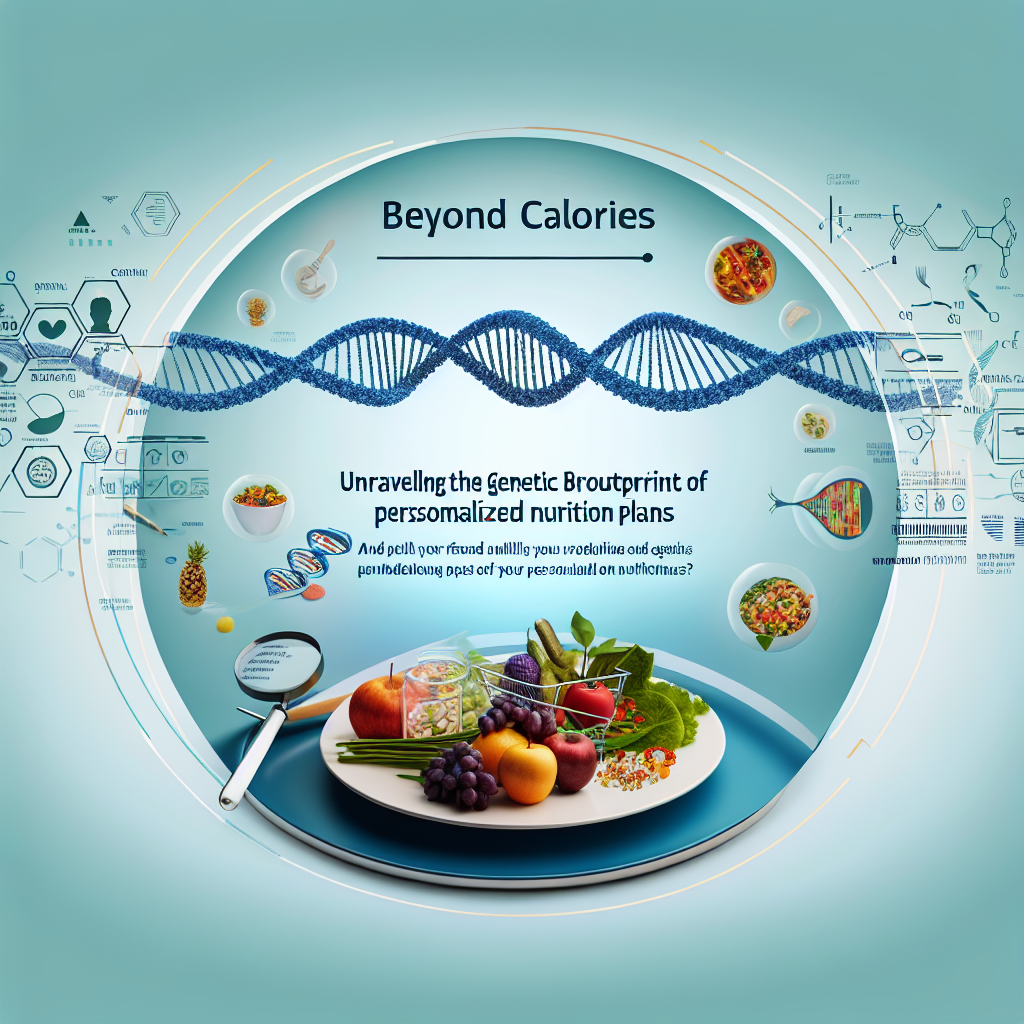
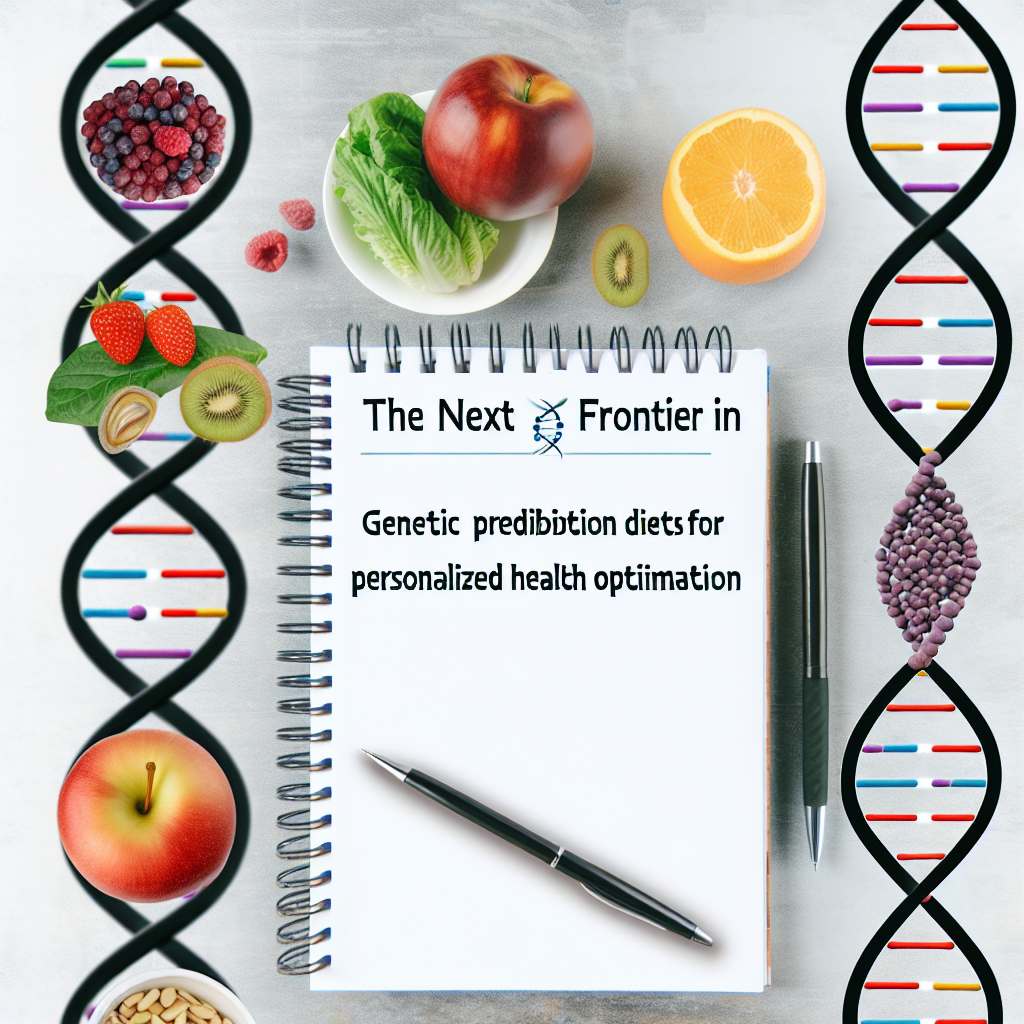
In recent years, the concept of personalized health optimization has gained significant traction, especially as people seek more personalized and efficient approaches to health and wellness. Traditional one-size-fits-all dietary recommendations are being questioned and re-evaluated as science continues to unveil the uniqueness embedded within each of us at the genetic level. Enter the genetic predisposition diet—a revolutionary approach that tailors nutritional intake based on an individual’s genetic makeup. This cutting-edge concept is rapidly becoming the next frontier in food medicine, promising to optimize health by aligning dietary choices with genetic predispositions.
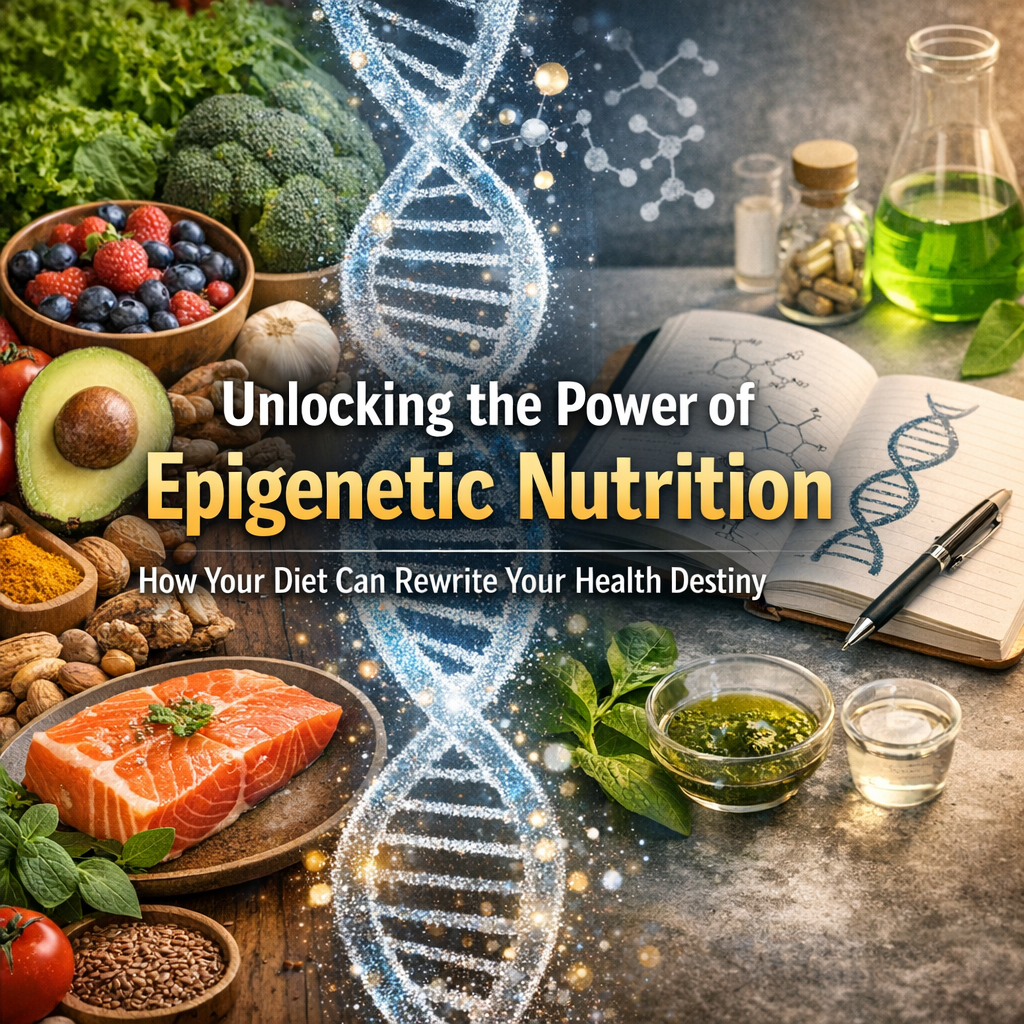
The human genome comprises approximately 20,000 to 25,000 genes, each contributing to the complex tapestry that defines our individuality. Recent advancements in genomics and nutrigenomics (the study of the interaction between nutrition and genes) have revealed that these genes significantly influence how our bodies respond to different foods. Whether it’s how efficiently we metabolize caffeine, process alcohol, or respond to saturated fats, there’s a genetic blueprint that can offer guidance. Identifying these genetic inclinations allows for a tailored diet, potentially preventing diseases and optimizing overall health.
For instance, some individuals might be genetically predisposed to process omega-3 fatty acids more effectively, suggesting that these people could gain more significant health benefits from a diet rich in fish oils. Similarly, genetic markers may indicate susceptibilities to certain conditions like lactose intolerance, gluten sensitivity, or even how prone someone might be to stress eating. By customizing diets based on genetic information, individuals can potentially enhance their well-being by prioritizing nutrients that work best with their unique genetic code.
This individualized approach stands in stark contrast to generalized dietary guidelines that fail to account for genetic diversity. The field of nutrigenomics is expanding rapidly, with research highlighting how personalized diets can play a pivotal role in health optimization. Companies like 23andMe and AncestryDNA are investing heavily in this domain, offering consumers insights into their genetic make-up and dietary recommendations tailored to these insights. As more individuals become aware of the benefits of such personalized approaches, the demand for genetic predisposition diets is only set to increase.
Insights from Professional and Medical Studies
The potential for genetic predisposition diets to revolutionize health optimization has been substantiated by several professional and medical studies. Research published in the [*American Journal of Clinical Nutrition*](https://academic.oup.com/ajcn) demonstrated that personalized dietary recommendations based on genetic information could lead to greater adherence and positive health outcomes compared to generalized guidelines. This study underscored the importance of personal genetic information in structuring dietary interventions, noting improvements in cardiovascular markers, weight management, and overall nutrient intake among participants who received personalized nutrition advice.
Another significant study, published in [*Nature Genetics*](https://www.nature.com/ng/), examined the interaction between diet, genes, and disease risk. It highlighted the importance of personalized diets in modulating disease susceptibility. For example, individuals with a genetic predisposition for Type 2 diabetes showed better glycemic control when adhering to dietary recommendations tailored to their genetic makeup. These findings reinforce the potential of genetic-based dietary interventions in mitigating the risk of lifestyle-related diseases.
In addition to these studies, ongoing research funded by the [National Institutes of Health (NIH)](https://www.nih.gov/) is exploring the efficacy of personalized nutrition in large populations. Preliminary results suggest that genetic predisposition diets not only assist in disease prevention but also enhance mental health, energy levels, and physical performance. This research exemplifies the growing consensus within the scientific community about the benefits of aligning diet with genetic predispositions.
Moreover, the [European Nutrigenomic Organisation (NuGO)](https://www.nugo.org/) has been at the forefront of promoting nutrigenomics research, illustrating how genes affect the body’s response to dietary changes. Euroscience Open Forum presentations have frequently highlighted that integrating genetic data into dietary recommendations allows for more precise nutrition strategies, thereby improving long-term health outcomes.
These academic insights collectively bolster the promise of genetic predisposition diets as not just a fleeting trend but a transformative approach to personalized health optimization. As research continues to evolve, the implications for public health policies and individual wellness strategies become increasingly profound.
Conclusion
As we move forward into an era where personalized healthcare is becoming the norm rather than the exception, genetic predisposition diets present a compelling option for health optimization. By understanding and catering to the unique genetic blueprint within each individual, these diets offer the potential for more effective disease prevention, enhanced wellness, and improved quality of life.
While challenges such as accessibility and cost remain, the ongoing advancements in genetic research and nutrigenomics are paving the way for personalized diets to become more commonplace. Over time, integrating genetic information into nutrition plans can empower individuals to make informed health decisions that are finely tuned to their biological needs. As the next frontier in food medicine, genetic predisposition diets hold the promise of transforming how we approach nutrition and health in the coming years.
Concise Summary
Genetic predisposition diets represent a transformative approach to personalized health optimization by tailoring nutrition to individual genetic profiles. This methodology improves health outcomes by aligning dietary choices with genetic predispositions, potentially preventing diseases and enhancing well-being. Supported by significant research, including studies from the *American Journal of Clinical Nutrition* and *Nature Genetics*, this personalized dietary approach is gaining popularity. With advancements in genomics and nutrigenomics, the integration of genetic information into nutrition is set to revolutionize health strategies, offering personalized, effective disease prevention and wellness improvements.

Dominic E. is a passionate filmmaker navigating the exciting intersection of art and science. By day, he delves into the complexities of the human body as a full-time medical writer, meticulously translating intricate medical concepts into accessible and engaging narratives. By night, he explores the boundless realm of cinematic storytelling, crafting narratives that evoke emotion and challenge perspectives.
Film Student and Full-time Medical Writer for ContentVendor.com