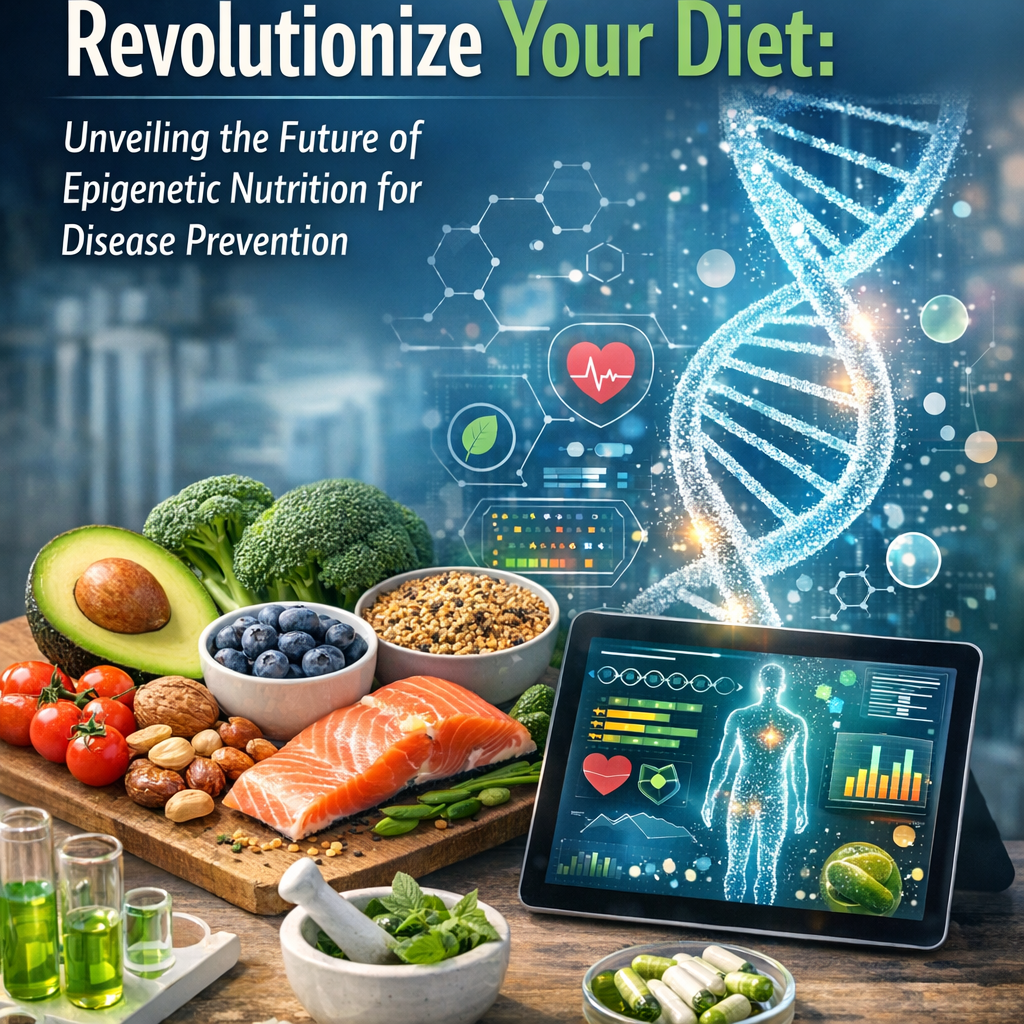
Revolutionize Your Diet: Unveiling the Future of Epigenetic Nutrition for Disease Prevention
Introduction
In an era where chronic illnesses such as heart disease, diabetes, and cancer are escalating, the demand for innovative approaches to health and wellness is more critical than ever. An intriguing breakthrough in this domain is epigenetic nutrition, an emergent concept that holds the potential to transform the landscape of diet and disease prevention. Epigenetics, the study of changes in gene expression without alterations to the DNA sequence, has revealed that lifestyle and environmental factors can significantly influence our genetic blueprint. Nutrigenomics, a subspecialty of epigenetics, examines how foods and nutrients impact gene expression.
Understanding epigenetic nutrition involves acknowledging that the foods we consume can switch genes on and off, thus influencing disease susceptibility. This cutting-edge field offers hope for personalized dietary recommendations based on genetic predispositions. Strategic selection of foods promoting beneficial gene expression while repressing harmful ones is a proactive step toward disease prevention and health optimization.
The urgency of this topic is underscored by the exponential growth of diet-related chronic diseases worldwide. The Centers for Disease Control and Prevention (CDC) notes that six in ten adults in the US have a chronic disease, and four in ten have two or more. This alarming statistic highlights the necessity for interventions beyond conventional dietary advice.
The allure of epigenetic nutrition lies in its promise to tailor dietary interventions based on individual genetic profiles, environment, and lifestyle choices. As science advances, understanding which foods trigger or suppress certain genes can potentially delay or prevent the onset of diseases with a genetic component.
The journey into epigenetic nutrition is not merely about the avoidance of disease; it is about cultivating vitality and resilience at the cellular level. By integrating this approach, we can potentially reduce healthcare costs, enhance quality of life, and pave the way for a healthier, more vibrant future. In the following sections, we delve deeper into the science behind this promising field and offer insights into practical dietary choices for disease prevention.
Features
Scientific research into the interplay between nutrition, genes, and disease unveils promising developments. In a landmark study published in the [*Nature Communications*](https://www.nature.com/articles/ncomms5028) journal, researchers demonstrated how specific nutrients could modulate gene expression related to chronic diseases. The study highlighted how bioactive compounds in foods, such as curcumin in turmeric and resveratrol in grapes, influence epigenetic mechanisms, including DNA methylation and histone modification. These changes can effectively alter the risk profiles for various diseases, thus emphasizing the transformative power of diet at the genetic level.
Furthermore, a study in the [*Journal of Nutritional Biochemistry*](https://www.jnutbio.com/article/S0955-2863(09)00058-0/abstract) explored how folate, a B-vitamin found in leafy greens, plays a crucial role in DNA methylation, a fundamental epigenetic process. This nutrient appears to be instrumental in stabilizing gene expression patterns, thereby reducing the risk of neural tube defects and certain cancers. Such findings advance our understanding of how nutritionally rich diets can aid in the prevention of genetic disorders.
Professional insights corroborate these scientific findings. According to Dr. Lars Olov Bygren, a leading researcher in the field of epigenetics, diet-induced epigenetic changes do not only manifest within one’s lifespan but can also impact subsequent generations. This transmission can either predispose descendants to diseases or shield them from adverse health outcomes, emphasizing the long-term implications of nutritional choices.
Moreover, the [*American Journal of Clinical Nutrition*](https://academic.oup.com/ajcn/article/82/6/1501/4863386) published a study examining the role of omega-3 fatty acids, found in fish oils, in modulating gene expression linked to inflammation and heart disease. Results indicated that a diet rich in these anti-inflammatory compounds led to significant changes in the expression of genes associated with cardiovascular health, affirming the protective role of targeted nutrients.
These findings solidify the burgeoning consensus that dietary interventions rooted in epigenetic principles hold immense promise for disease prevention. As research in this field continues to evolve, healthcare professionals and nutritionists may soon leverage these insights to craft personalized dietary guidelines, aligning daily consumption with genetic data to optimize health outcomes.
Conclusion
Epigenetic nutrition represents a dynamic frontier in dietary science, offering a potent strategy to mitigate the risk of chronic diseases through informed food choices. As the scientific community expands its understanding of the epigenome and its responsiveness to diet, individuals are empowered to make decisions that transcend traditional nutritional advice. By embracing foods rich in bioactive compounds and nutrients known to favorably influence gene expression, we can catalyze a new era of preventive healthcare.
While the notion of tailoring one’s diet to their genetic profile may seem futuristic, the groundwork is being laid today. Pioneering studies have already illuminated the significant impact of diet on gene expression and disease prevention. As we anticipate future advancements in this exciting field, it becomes ever more apparent that revolutionizing our diet through the lens of epigenetic nutrition is not a mere possibility—it’s an imperative step toward thriving in health and wellness.
Concise Summary
Epigenetic nutrition explores how diet influences gene expression without altering DNA sequences, offering prospects for personalized disease prevention. With chronic illnesses rising, groundbreaking findings in nutrigenomics show foods like curcumin and resveratrol affecting epigenetic mechanisms. Studies published in journals like *Nature Communications* highlight nutrients like folate, crucial for DNA methylation, and omega-3 fatty acids impacting cardiovascular health. As our understanding deepens, harnessing diet’s power to tailor interventions based on genetic profiles becomes a promising strategy for fostering vitality and mitigating long-term disease risks.

Dominic E. is a passionate filmmaker navigating the exciting intersection of art and science. By day, he delves into the complexities of the human body as a full-time medical writer, meticulously translating intricate medical concepts into accessible and engaging narratives. By night, he explores the boundless realm of cinematic storytelling, crafting narratives that evoke emotion and challenge perspectives.
Film Student and Full-time Medical Writer for ContentVendor.com