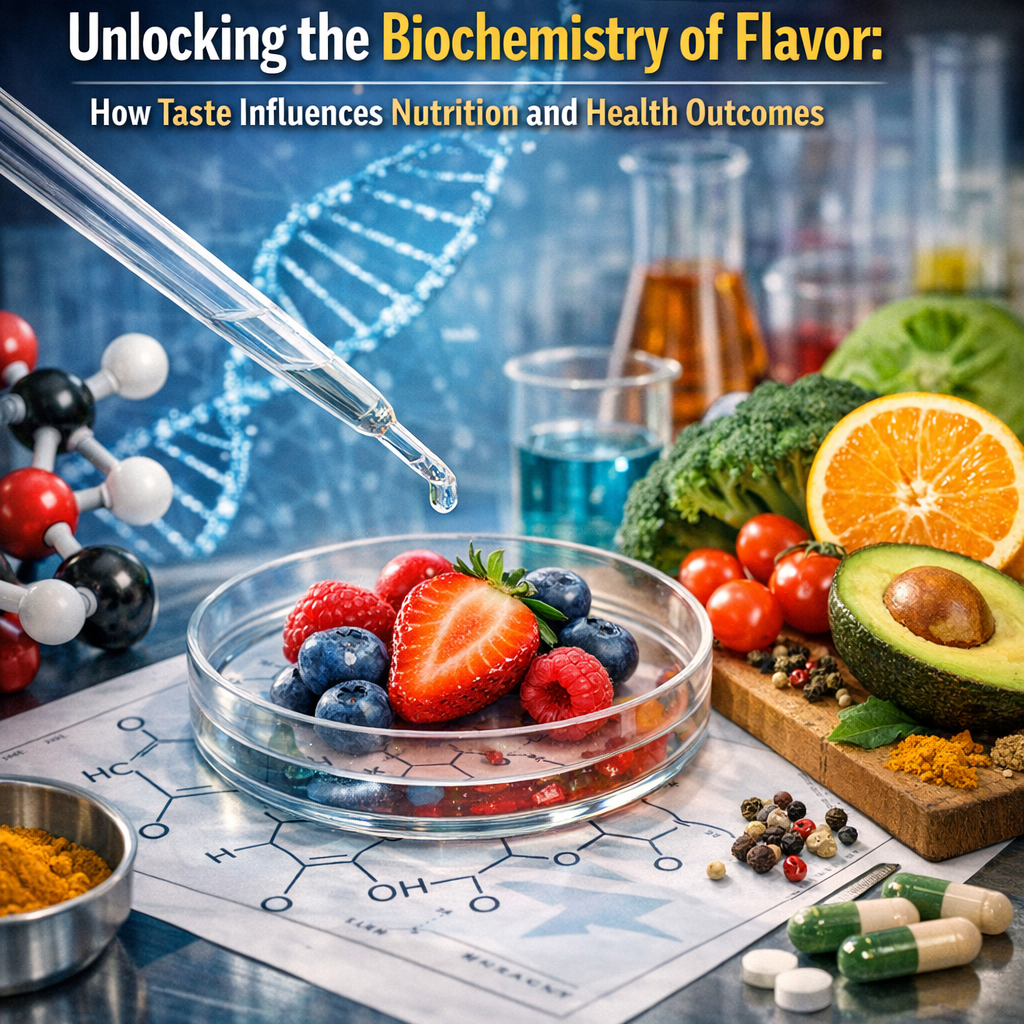
Unlocking the Biochemistry of Flavor: How Taste Influences Nutrition and Health Outcomes
Introduction
The intricate relationship between taste and nutrition extends far beyond simple pleasure. For centuries, the sense of taste has guided humans in the selection of their food, steering them towards beneficial nutrients and away from harmful substances. This relationship is grounded in biochemistry, where flavor compounds interact with sensory receptors to elicit taste perceptions. But how do these flavors influence our nutrition and overall health outcomes?
At its core, taste is a chemical sense, orchestrated by taste buds comprised of taste receptor cells. These receptors respond to five basic tastes: sweet, salty, sour, bitter, and umami. These flavor profiles are not merely about preference but are vital indicators to ensure nutritional sufficiency and safety. Sweetness signals energy-rich carbohydrates, saltiness denotes essential electrolytes, sourness can indicate spoilage or fermentation, bitterness often serves as a warning for toxins, and umami reveals the presence of amino acids, the building blocks of proteins.
The implications of taste transcend the simple sensory experience; they are intrinsically linked to nutritional strategies and health outcomes. Recent science shows that taste perceptions can heavily influence food choice, metabolic health, and predispositions to certain diseases. For example, a heightened sensitivity to the bitter taste might deter individuals from consuming nutrient-dense, bitter vegetables like kale and Brussels sprouts, potentially impacting nutritional balance.
Moreover, additive and synergistic flavor profiles can create complex food experiences that might modulate appetite and satiety. Manipulating these flavors can provide natural solutions to contemporary dietary challenges, such as obesity or nutrient deficiency. In understanding the biochemistry behind taste, we may unlock pathways to create more effective, palatable, and sustainable dietary practices. As we delve deeper into how taste influences nutrition and health, we recognize that the flavors we perceive are both a guide and a gateway to better health.
Features
Recent studies have elucidated the critical role that taste plays in nutrition and metabolic health. A significant study by Tepper et al., published in the American Journal of Clinical Nutrition, explored the genetic variations in taste receptors, particularly focusing on bitter taste perception. The study found that genetic differences can influence the preference for bitter or flavorful foods, impacting dietary patterns and health outcomes. [Source](https://academic.oup.com/ajcn)
Furthermore, research conducted by Mennella et al. emphasizes the developmental aspect of taste preferences. This study demonstrated that early exposure to diverse flavors could positively impact children’s flavor acceptance patterns, influencing lifelong dietary habits. Introducing diverse, nutrient-rich foods at a young age can mitigate innate aversions to specific flavors, fostering better nutritional outcomes into adulthood. [Source](https://academic.oup.com/chemse)
On a biochemical level, certain taste perceptions are linked with metabolic pathways. According to a study published in Nature Communications, the perception of sweet taste involves the glucose metabolic pathway. Consumption of sweet flavors without caloric fulfillment can lead to metabolic dysregulation, highlighting the importance of aligning taste signals with nutritional content to avoid conditions such as metabolic syndrome. [Source](https://www.nature.com/articles/ncomms)
Additionally, a fascinating exploration into umami taste by Jinap and Hajeb in the Journal of Food Science indicates that it enhances palatability and satiety. Umami substances like glutamate not only improve flavor but also promote digestion and protein utilization, potentially reducing overconsumption and aiding in weight management. [Source](https://onlinelibrary.wiley.com/journal/17503841)
These studies collectively underscore the significant impact of taste on nutritional health, advocating for the strategic application of biochemistry in flavor enhancement to improve dietary patterns and health outcomes.
Conclusion
Understanding the biochemistry of flavor is a pragmatic approach to enhancing nutrition and health outcomes. The interaction between flavor compounds and taste receptors plays a fundamental role in shaping dietary preferences and, thus, health. Recognizing how taste affects food choice can inform interventions aimed at improving nutrition, combating dietary-related issues, and promoting overall wellness.
By leveraging flavor, better food formulations can be developed, potentially reducing dietary deficiencies and improving public health outcomes. As science advances, our ability to tailor taste experiences that promote health also grows, designed not just for pleasure, but as a cornerstone of nutrition and well-being.
Overall, the science of taste is crucial to understanding the full spectrum of human nutrition and health. By unlocking the secrets of flavor biochemistry, we can better navigate the complex culinary landscape, crafting diets that are enjoyable and conducive to a healthier life.
Concise Summary
The relationship between taste and nutrition is deeply rooted in biochemistry, influencing food selection and health outcomes. Different taste perceptions—sweet, salty, sour, bitter, and umami—serve as indicators of nutritional value, guiding dietary choices. Studies reveal genetic and developmental influences on taste preferences and their impact on nutritional intake. Biochemical insights into taste and metabolic pathways highlight the importance of aligning taste and nutrition to prevent metabolic issues. Understanding and manipulating flavor can enhance nutrition and develop effective dietary practices, reducing deficiencies and improving public health. Ultimately, taste science offers a path to healthier, more enjoyable diets.

Dominic E. is a passionate filmmaker navigating the exciting intersection of art and science. By day, he delves into the complexities of the human body as a full-time medical writer, meticulously translating intricate medical concepts into accessible and engaging narratives. By night, he explores the boundless realm of cinematic storytelling, crafting narratives that evoke emotion and challenge perspectives.
Film Student and Full-time Medical Writer for ContentVendor.com