Beyond Nutrients: The New Frontier of Epigenetic Diets for Personalized Health Solutions
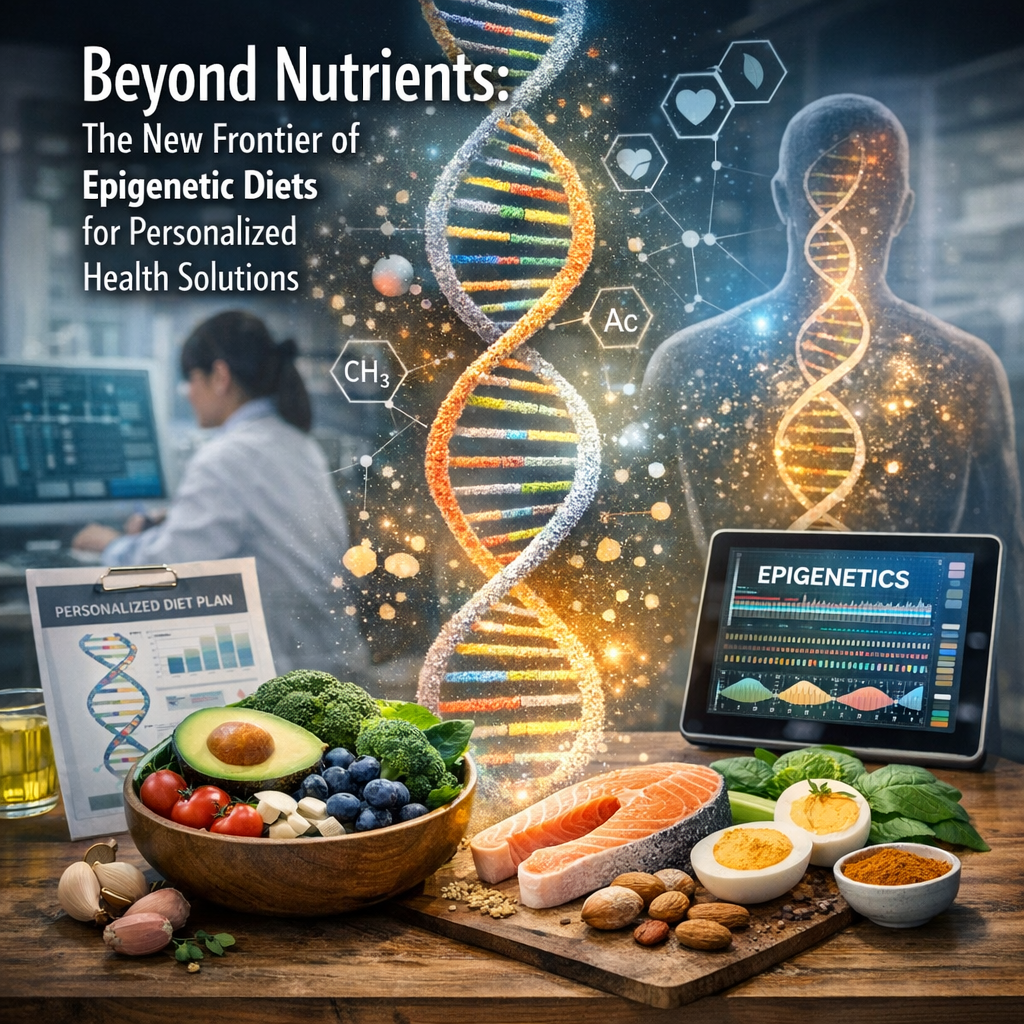
In recent years, the realm of nutritional science has seen a significant evolution, venturing beyond the basic understanding of nutrients and their roles in human health. Traditionally, diets were designed around macronutrients like proteins, fats, and carbohydrates, supplemented by vitamins and minerals. However, this conventional view is being challenged by emerging insights into epigenetics and personalized health solutions. At the heart of this transformation lies the understanding that our genes are not our destiny. Instead, they can be turned on or off by various factors, including what we eat. This revelation paves the way for epigenetic diets—personalized nutritional plans tailored to influence gene expression and, consequently, health outcomes.
Understanding Epigenetics
Epigenetics, a field that explores changes in gene activity without modifying the DNA sequence, has highlighted how lifestyle factors like diet can impact gene expression. This understanding underscores the potential of food as a tool not just for nourishment but for managing health conditions and enhancing well-being. Imagine a future where instead of standard dietary guidelines, individuals adhere to personalized epigenetic diets that complement their unique genetic makeup, potentially preventing or managing diseases like diabetes, cardiovascular issues, and even cancer.
Bioactive Compounds and Gene Modulation
The crux of epigenetic diets is the identification and utilization of bioactive food components that possess the ability to modulate gene expression. These bioactive compounds, found abundantly in whole foods, can influence pathways related to inflammation, oxidative stress, and cellular aging. For example, components such as polyphenols in fruits, curcumin in turmeric, and sulforaphane in cruciferous vegetables have demonstrated capabilities to modulate epigenetic marks and pathways. As research delves deeper into the molecular mechanisms behind diet and gene interactions, the prospects for individualized dietary interventions grow increasingly promising.
The Era of Personalized Nutrition
Enter the era of personalized nutrition: here, one-size-fits-all diets are replaced by plans that not only cater to individual preferences but also consider genetic predispositions. Recent advances in genetic testing and bioinformatics have made it feasible to predict how an individual’s unique genetic composition might interact with specific nutrients, providing a blueprint for dietary recommendations that can optimize personal health outcomes.
Research Supporting Epigenetic Diets
Recent professional and medical studies provide a robust foundation for the concept of epigenetic diets, highlighting their potential to revolutionize personalized nutrition and health management. A landmark study published in [*Nature Reviews Genetics*](https://www.nature.com/nrg/) elucidates the role of diet in modulating epigenetic mechanisms, suggesting that dietary interventions can significantly influence gene expression and ultimately impact health outcomes.
One pivotal study conducted at the University of Southern California demonstrated the effects of a specific nutrient, choline, on gene expression related to liver function. The research, published in the [*Journal of Nutrition*](https://academic.oup.com/jn), revealed that choline can alter epigenetic marks in liver cells, highlighting an avenue by which diet can influence disease prevention and management.
Additionally, a study appearing in the [*American Journal of Clinical Nutrition*](https://academic.oup.com/ajcn) explored the connection between polyphenol-rich diets and reduced inflammation, a pathway often linked to chronic diseases. The researchers underscored that specific polyphenols could modify gene expression associated with inflammation, providing a molecular basis for dietary interventions aimed at reducing disease risk.
Furthermore, research from the [*Proceedings of the National Academy of Sciences*](https://www.pnas.org/) highlighted the influence of sulforaphane, a compound in broccoli, on gene expression pathways involved in detoxification processes. This study supports the idea that targeted dietary strategies can cleanse potential carcinogens from the body at a genomic level, offering a preventative approach to health management.
Collectively, these studies affirm the transformative potential of epigenetic diets in delivering customized health solutions. As the understanding of gene-nutrient interactions deepens, the integration of comprehensive genetic assessments with personalized diet recommendations becomes more feasible, paving the way for enhanced health outcomes and disease prevention.
Conclusion: Toward a Personalized Health Revolution
The exploration of epigenetic diets marks a thrilling evolution in the field of nutrition, one that aligns with the growing trend toward individualized medicine and wellness. By breaking free of the constraints posed by traditional nutritional models, epigenetic diets offer a pathway to tailor diets in harmony with one’s genetic predispositions and health profiles. The cumulative insights from scientific studies elucidate the potential for diet to serve as a powerful tool in modifying gene expression, paving the way for preventative and therapeutic health strategies. However, this exciting frontier also calls for a cautious approach, as personalized nutrition plans must be rooted in thorough scientific research and a comprehensive understanding of gene-diet interactions.
The future of personalized health solutions lies at the intersection of our genetic understanding and dietary choices. As we continue to unravel the complexities of the human genome, the prospect of epigenetic diets offers an optimistic outlook for enhancing personal health and living a balanced life through tailored nutrition. Understanding and integrating these advanced dietary strategies will be instrumental for anyone keen on enhancing their health and well-being in a personalized and scientifically informed manner.
Concise Summary:
The article explores the emergence of epigenetic diets—personalized nutrition plans aimed at influencing gene expression for improved health outcomes. This innovative approach marks a departure from traditional dietary models, focusing instead on bioactive compounds like polyphenols and sulforaphane that can modulate gene activity. As scientific research sheds more light on how various nutrients interact with our genes, the potential for personalized dietary recommendations grows. This paradigm shift aligns with the trend towards individualized wellness, providing new avenues for disease prevention and well-being improvement through tailored dietary interventions.

Dominic E. is a passionate filmmaker navigating the exciting intersection of art and science. By day, he delves into the complexities of the human body as a full-time medical writer, meticulously translating intricate medical concepts into accessible and engaging narratives. By night, he explores the boundless realm of cinematic storytelling, crafting narratives that evoke emotion and challenge perspectives.
Film Student and Full-time Medical Writer for ContentVendor.com