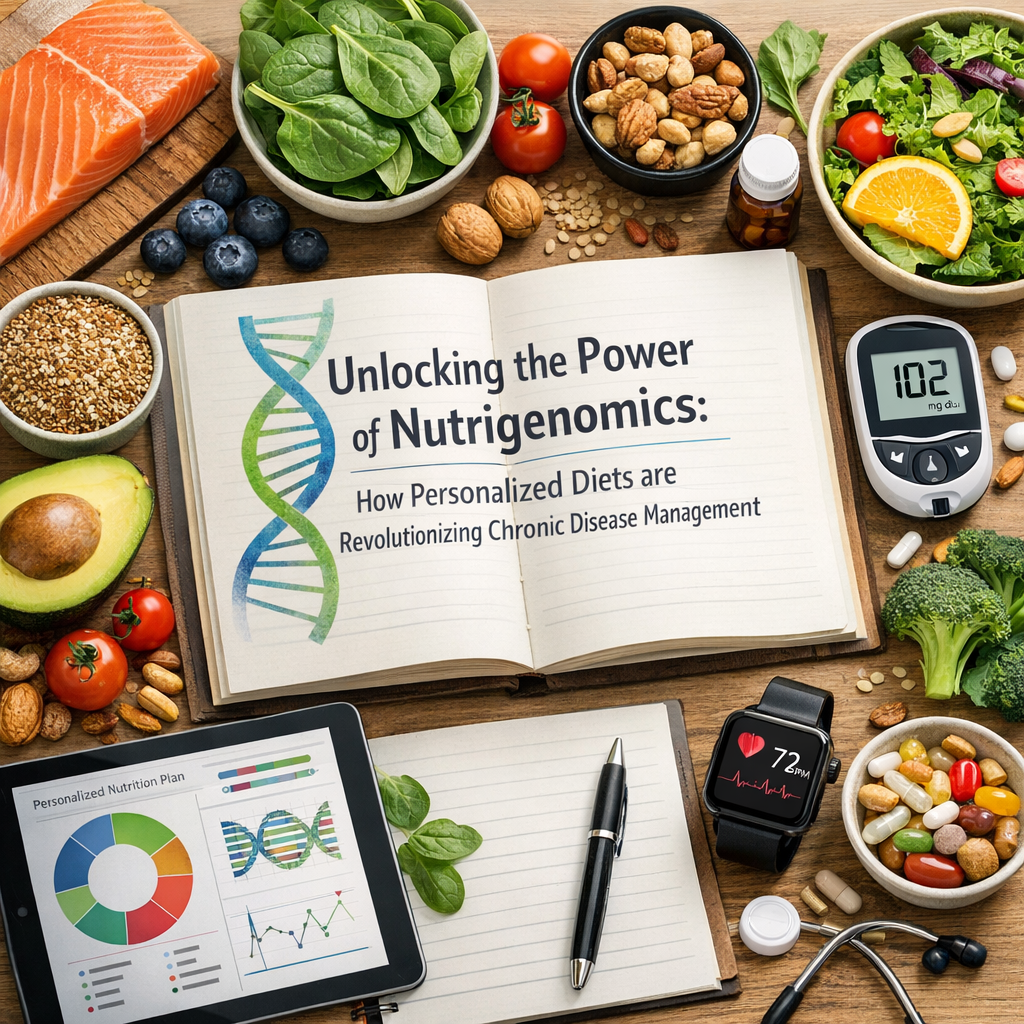
Unlocking the Power of Nutrigenomics: How Personalized Diets are Revolutionizing Chronic Disease Management
Introduction
In recent years, the science of genomics has paved the way for transformative advancements across various sectors, one of which is nutrition. Nutrigenomics—a burgeoning field within nutritional science—lies at the intersection of nutrition and genomics. It explores how the foods we consume interact with our genes, potentially unlocking new avenues for personalized dietary interventions aimed at chronic disease management. Chronic diseases such as diabetes, heart diseases, and certain cancers have a significant genetic component, and understanding these interactions gives us the opportunity to tailor dietary approaches that may prevent, mitigate, or even reverse these conditions.
The concept of personalized nutrition is not entirely new. Cultures around the world have long touted specific diets based on principles like Ayurveda or Traditional Chinese Medicine to address individual health concerns. What nutrigenomics introduces is a scientific framework allowing for a more precise understanding of how individual genetic differences affect nutrient absorption, utilization, and overall impact on health. It empowers individuals to adopt dietary lifestyles that are fine-tuned to their unique genetic makeup, maximizing their potential to maintain health and stave off disease.
Advancements in genomic technologies, such as DNA microarrays and sequencing, have made it feasible for consumers to access detailed insights into their genetic profiles. This data, when expertly interpreted, can guide precise dietary recommendations to address specific health conditions. For example, someone with a genetic predisposition to high cholesterol may benefit from a diet richer in certain omega-3 fatty acids, while another individual with a genetic marker linked to lactose intolerance might require entirely different nutritional guidance.
The implications of nutrigenomics extend beyond individual gains. On a societal level, personalized nutrition can contribute to reducing healthcare costs by curbing the prevalence and severity of chronic illnesses which, according to the Centers for Disease Control and Prevention, account for 90% of the nation’s $3.5 trillion annual healthcare expenditure. As our understanding of the human genome expands, so too does the potential for more nuanced, impactful approaches to disease management.
Features
A wealth of scientific research supports the promise of nutrigenomics in chronic disease management. One pivotal study published in the [Journal of the American Medical Association](https://jamanetwork.com/) illustrated how personalized dietary advice based on genetic profiles led to greater improvements in dietary habits compared to conventional dietary advice. Participants in the study who received gene-based dietary recommendations showed improved adherence to diets that restricted sodium, saturated fats, and sugars, thus significantly lowering their risk for hypertension and other cardiovascular conditions.
Moreover, research published in [Nature Reviews Genetics](https://www.nature.com/nrg/) emphasizes the potential of nutrigenomics to unravel the complexities surrounding obesity—a prevalent chronic disease with a multifactorial etiology. The study confirmed that genetic variations in the FTO gene significantly influence individual responses to dietary components. This could elucidate why some individuals lose weight more effectively on a low-fat diet, while others respond better to carbohydrate restriction, allowing for more effective weight management strategies tailored to genetic predispositions.
In the realm of diabetes management, a study in the [American Journal of Clinical Nutrition](https://academic.oup.com/ajcn) demonstrated how incorporating insights from nutrigenomics can improve glycemic control in patients with type 2 diabetes. By tailoring carbohydrate intake based on individual genetic profiles related to insulin sensitivity and glucose metabolism, healthcare providers were able to craft personalized diet plans that led to improved blood sugar levels and reduced reliance on medication.
Furthermore, international collaborative efforts like the EU-funded project [Food4Me](http://www.food4me.org/) are exploring the impact of personalized nutrition advice on dietary behavior and health outcomes across diverse populations. Preliminary findings indicate that personalized nutrition based on genetic, phenotypic, and behavioral data can significantly enhance diet-related health outcomes, providing compelling evidence for the implementation of nutrigenomic principles in public health policy.
Conclusion
As nutrigenomics continues to evolve, it holds the promise of redefining our understanding and management of chronic diseases. By aligning dietary recommendations with the intricacies of an individual’s genetic makeup, nutrigenomics delivers a personalized approach that challenges the traditional one-size-fits-all model. This innovative field not only empowers individuals to take charge of their health but also offers far-reaching implications for reducing the burden of chronic diseases worldwide. As more evidence of the efficacy and benefits of nutrigenomics emerges, it is likely we will see increased integration of this promising science into mainstream health and wellness strategies. However, it’s crucial for individuals to seek guidance from qualified professionals when interpreting and applying genomic data to ensure safe and effective application. The era of personalized nutrition is upon us, and it carries the potential to unlock healthier futures for individuals and societies alike.
Concise Summary:
Nutrigenomics, the intersection of nutrition and genomics, is revolutionizing chronic disease management by offering personalized dietary interventions based on genetic profiles. This scientific approach tailors nutrition to individual genetic makeup, potentially preventing or managing conditions like diabetes and heart disease. Advancements in genomic technologies facilitate access to genetic insights, guiding precise dietary recommendations. Beyond individual benefits, personalized nutrition may reduce healthcare costs by limiting chronic illness prevalence and severity. As nutrigenomics gains traction, it promises a shift from a one-size-fits-all model to tailored health strategies, highlighting the need for professionally guided genomic data interpretation.

Dominic E. is a passionate filmmaker navigating the exciting intersection of art and science. By day, he delves into the complexities of the human body as a full-time medical writer, meticulously translating intricate medical concepts into accessible and engaging narratives. By night, he explores the boundless realm of cinematic storytelling, crafting narratives that evoke emotion and challenge perspectives.
Film Student and Full-time Medical Writer for ContentVendor.com