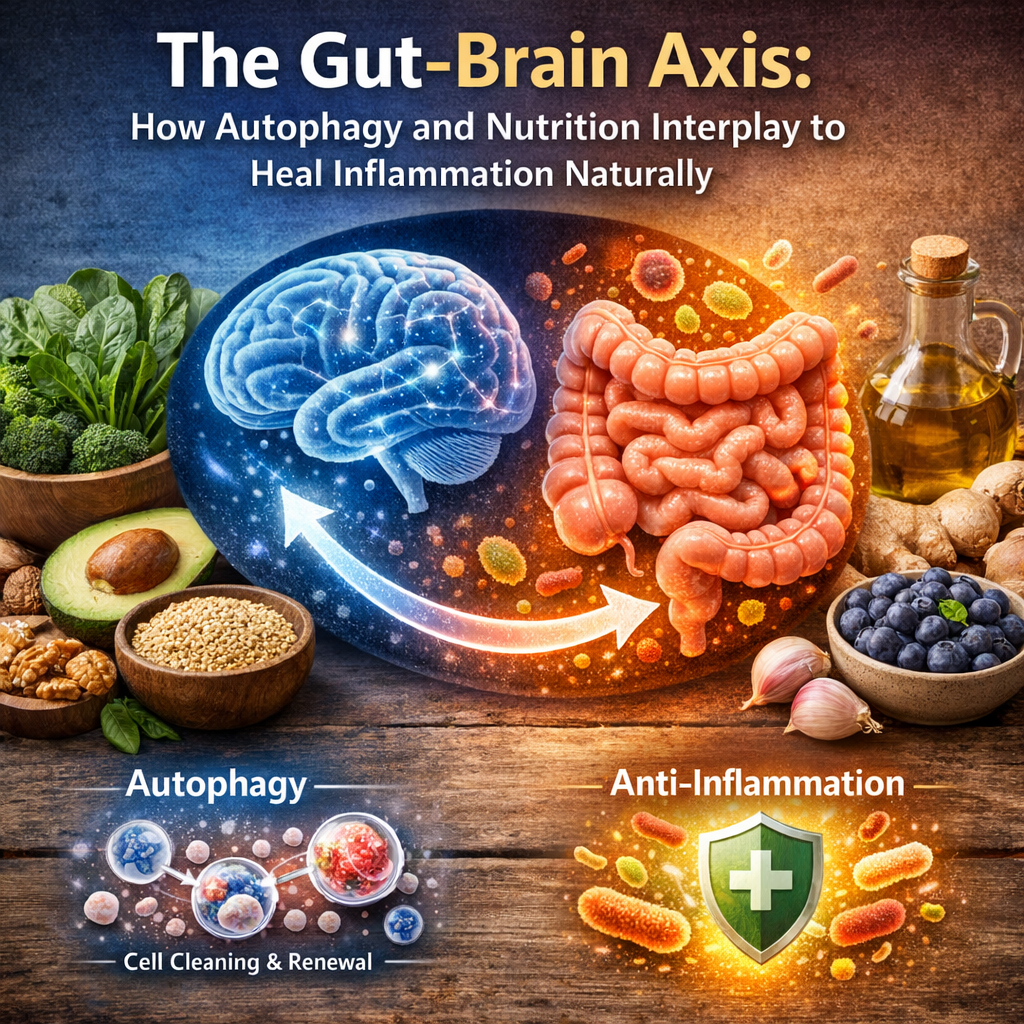
The Gut-Brain Axis: How Autophagy and Nutrition Interplay to Heal Inflammation Naturally
Introduction
In the ever-evolving field of health and wellness, understanding the connection between the gut and brain has emerged as a pivotal area of study. The gut-brain axis, a bidirectional communication network that links our digestive tract with the brain, is gaining attention for its potential role in mediating inflammation and promoting overall well-being. Beyond traditional medicinal approaches, the body’s natural processes, such as autophagy, and dietary choices are playing influential roles in this intricate communication network.
Autophagy, a vital cellular process of ‘self-eating,’ allows cells to remove dysfunctional components and regenerate newer, healthier cells. This process not only aids in cellular maintenance but also holds promise in reducing inflammation, potentially alleviating neurological disorders. Nutrition, on the other hand, provides the foundation for optimal operation of both the gut-brain axis and autophagy. Nutrient-rich foods, high in antioxidants and anti-inflammatory compounds, are imperative for supporting these processes. By understanding how diet influences autophagy and the gut-brain axis, individuals can empower themselves to manage inflammation naturally.
This symbiotic relationship between nutrition and autophagy is especially significant in an era where chronic inflammation is linked to various illnesses, such as irritable bowel syndrome, depression, and Alzheimer’s disease. By focusing on natural cures, homeopathic, and herbal treatments, individuals have the potential to address these health challenges holistically. With the right combination of diet and processes like autophagy, along with an understanding of the gut-brain link, it is possible to cultivate a more balanced inflammation-free lifestyle.
Features
Scientific exploration offers insight into the intricate workings of the gut-brain axis, autophagy, and nutrition. Multiple studies highlight the interconnectedness of these elements and their ability to reduce inflammation naturally. A pioneering study published in Nature unveiled the significant impact of gut microbiota on brain function through the modulation of neuroinflammation, paving the way for potential dietary interventions.
Additionally, a study published in Cell Metabolism discussed autophagy’s essential role in the regulation of inflammation and cellular homeostasis. This research suggests that enhancing autophagy can effectively mitigate stress-related inflammatory responses, which reinforces the link between cellular health and inflammation management.
Nutrition is central to optimizing both autophagy and the gut-brain communication. Foods rich in polyphenols, found in berries and green tea, have been shown to modulate inflammation positively through gut microbiota alteration, as demonstrated in research from the American Journal of Clinical Nutrition. These polyphenols support beneficial bacteria in the gut, further enhancing the relationship between a healthy diet and mental well-being.
Moreover, the gut-brain relationship is impacted heavily by the gut microbiome’s condition, which is influenced by diet. A study in the Journal of Neuroscience emphasized how prebiotics and probiotics, which nurture the gut microbiome, yield positive outcomes for mental health by lowering stress-related inflammation.
The medical community’s growing understanding of the gut-brain axis, autophagy, and their potential modulation via diet represents a promising frontier in natural inflammation management. Through these studies, a clear message emerges: by nurturing this intricate balance naturally, we can bolster our body’s innate healing capabilities and maintain a healthier equilibrium.
Conclusion
The intersection of the gut-brain axis, autophagy, and nutrition offers a revolutionary approach to managing inflammation naturally. The profound effect of diet on cellular processes and the microbiome opens doors for holistic health solutions beyond conventional medicine. As research continues to develop, so too does our understanding of how we can harness our body’s natural mechanisms to combat inflammatory conditions.
Focusing on nutrient-rich foods, promoting beneficial gut microbiota, and supporting cellular renewal through autophagy can ignite the body’s inherent ability to heal. These strategies empower individuals to play an active role in their health journey, providing tools for resilience against inflammation and its related ailments. Ultimately, as we embrace these natural interventions, we can foster a healthier, more balanced relationship between our gut and brain, driving better wellness outcomes.
Concise Summary
Understanding the gut-brain axis is crucial for managing inflammation. The connection involves natural processes such as autophagy and the impact of nutrition. Autophagy helps remove dysfunctional cells, while a diet rich in antioxidants and anti-inflammatory nutrients aids this process. Studies emphasize how gut microbiota influence brain health, while prebiotics and probiotics optimize mental health by reducing inflammation. The significant link between diet, autophagy, and inflammation provides holistic strategies for health. Emphasizing nutrient-rich foods and supporting gut health enables individuals to naturally enhance their well-being and address inflammatory conditions effectively.

Dominic E. is a passionate filmmaker navigating the exciting intersection of art and science. By day, he delves into the complexities of the human body as a full-time medical writer, meticulously translating intricate medical concepts into accessible and engaging narratives. By night, he explores the boundless realm of cinematic storytelling, crafting narratives that evoke emotion and challenge perspectives.
Film Student and Full-time Medical Writer for ContentVendor.com