Unpacking the Gut-Brain Axis: How Nutrition Can Reverse Chronic Stress and Mental Decline
Introduction
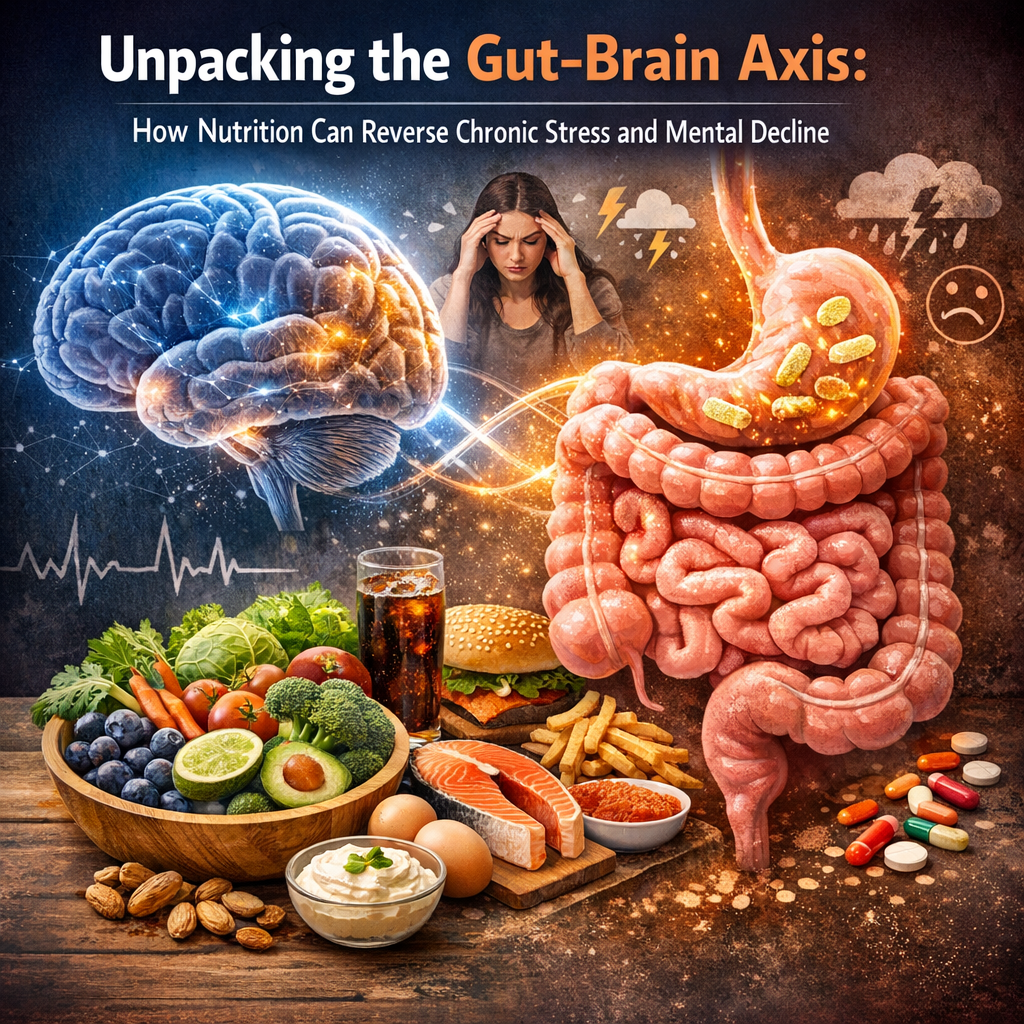
In recent years, the intricate relationship between the gut-brain axis has gained considerable attention in the realms of health and neuroscience. This bi-directional communication system illustrates how our central nervous system, including the brain, is intimately connected with our gastrointestinal system. Understanding this relationship has profound implications, particularly for those experiencing chronic stress and mental decline.
Several factors contribute to the integrity and performance of the gut-brain axis, but nutrition plays a pivotal role. As the saying goes, “You are what you eat,” which underscores the impact dietary habits can have on our mental well-being. Foods rich in probiotics, prebiotics, and essential fatty acids foster a thriving gut microbiome, which in turn can enhance mood, cognitive function, and reduce stress levels.
Chronic stress is often exacerbated by inflammation—a common condition linked to poor gut health. The gut comprises a significant portion of the immune system and is responsible for the production of neurotransmitters such as serotonin, often dubbed the “feel-good” chemical. Serotonin levels in the gut can influence mood and emotional stability. Therefore, nurturing gut health through targeted nutrition can substantially improve stress management and protect against cognitive decline.
With increasing instances of mental health disorders globally, there is a growing interest in natural remedies and lifestyle adjustments that can alleviate such conditions. Instead of relying solely on pharmaceuticals, integrating dietary interventions provides a holistic approach to mental well-being. This interest aligns with a broader movement toward preventative healthcare and natural treatment modalities, illustrating a shift from reactionary medicine to proactive health management.
In this discussion, we will delve deeper into the current scientific understanding of the gut-brain axis, explore relevant research studies, and highlight actionable nutritional strategies to bolster this crucial connection, ultimately fostering resilience against chronic stress and mental decline.
Features
The burgeoning field of psychobiotics—probiotics and prebiotics that influence brain health—underscores the vital connection between gut health and mental well-being. A study published in the journal Psychiatry Research found that dietary intervention focusing on prebiotic and probiotic foods resulted in improved mood and reduced anxiety symptoms in participants with depressive disorders.
Moreover, research conducted by the California Institute of Technology revealed that gut microorganisms produce metabolites that interact with the nervous system, influencing brain function and behavior. One particular study highlighted how the gut microbiome can affect the production of serotonin, which modulates mood and cognitive processes, highlighting the importance of nurturing gut health for mental well-being.
Beyond probiotics, essential omega-3 fatty acids found in foods such as salmon, walnuts, and flaxseeds have shown promise in supporting brain health. A meta-analysis published in the journal Translational Psychiatry reported that omega-3 supplementation reduced symptoms of depression and anxiety, linking these nutrients to enhanced neural plasticity and neurotransmission.
Herbal treatments like ashwagandha, known for its adaptogenic properties, have shown potential in modulating the gut-brain axis. Studies indicate that ashwagandha can effectively reduce cortisol levels—a key stress hormone—thus easing the physiological impact of chronic stress on both the gut and the brain.
Additionally, a balanced diet rich in antioxidants, fiber, and micronutrients can support the gut-brain axis. Foods like berries, leafy greens, and whole grains nourish the beneficial bacteria in the gut, which can lead to improved mental clarity and reduced symptoms of mental decline.
Conclusion
In unraveling the complexities of the gut-brain axis, it becomes evident that the path to mental resilience and the mitigation of chronic stress lies significantly in our dietary choices. By prioritizing nutrition that supports gut health—embracing a diet abundant in probiotics, omega-3s, and plant-based nutrients—individuals can harness the profound connection between the gut and the brain to enhance their mental well-being.
This growing body of research not only lays the foundation for alternative and complementary treatments for stress and cognitive decline but also reflects a broader paradigm shift toward preventive healthcare. In prioritizing a nutrient-dense diet, accompanied by mindful lifestyle choices, we stand to gain not only improved gut health but also a substantial boost in overall mental health and quality of life.
For those seeking to navigate stress and guard against mental decline naturally, the gut-brain axis offers a promising frontier. By focusing on a wholesome, balanced diet synergized with traditional herbal treatments, it is possible to cultivate resilience, clarity, and sustained mental health in our increasingly demanding lives.
Concise Summary
The gut-brain axis is an intricate system linking our digestive health to mental well-being. Nutritional strategies focusing on probiotics, prebiotics, and omega-3 fatty acids can improve mood and reduce chronic stress by nurturing the gut microbiome. Research indicates these nutrients enhance cognitive functions and reduce symptoms of depression and anxiety. Additionally, herbal remedies like ashwagandha can lower stress-related hormones. Embracing a balanced diet rich in antioxidants and micronutrients may provide a holistic approach to combat mental decline, emphasizing a shift toward preventative healthcare and natural intervention for better mental health.

Dominic E. is a passionate filmmaker navigating the exciting intersection of art and science. By day, he delves into the complexities of the human body as a full-time medical writer, meticulously translating intricate medical concepts into accessible and engaging narratives. By night, he explores the boundless realm of cinematic storytelling, crafting narratives that evoke emotion and challenge perspectives.
Film Student and Full-time Medical Writer for ContentVendor.com