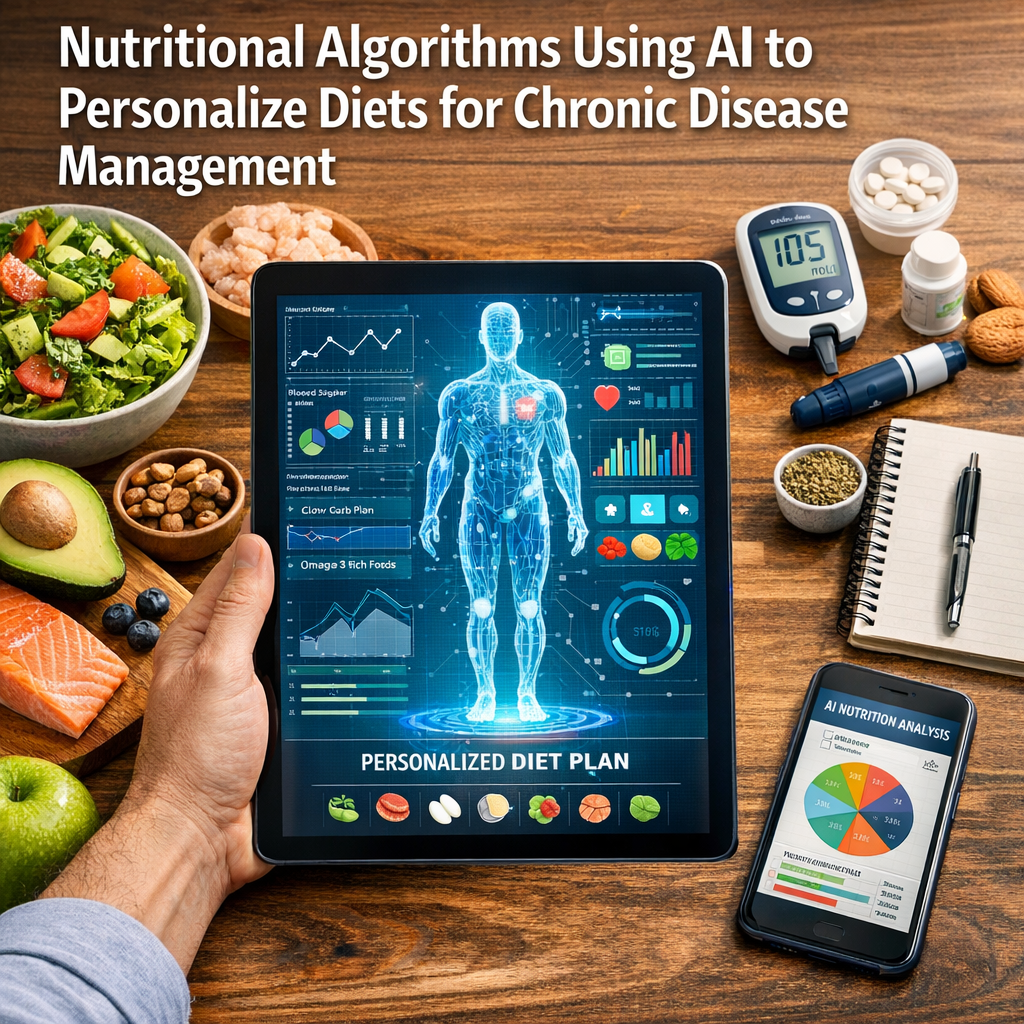
Nutritional Algorithms Using AI to Personalize Diets for Chronic Disease Management
The intersection of artificial intelligence (AI) and nutrition is forging a transformative path in the management of chronic diseases. Every year, millions are diagnosed with conditions like diabetes, heart disease, and autoimmune disorders, all requiring significant lifestyle and dietary changes. Traditionally, nutritionists and medical professionals devised diets based on general guidelines and personal consultations. However, the complexities of individual health needs often necessitate more tailored solutions. AI-driven nutritional algorithms offer an innovative method to personalize diets, enhancing the efficacy of chronic disease management.
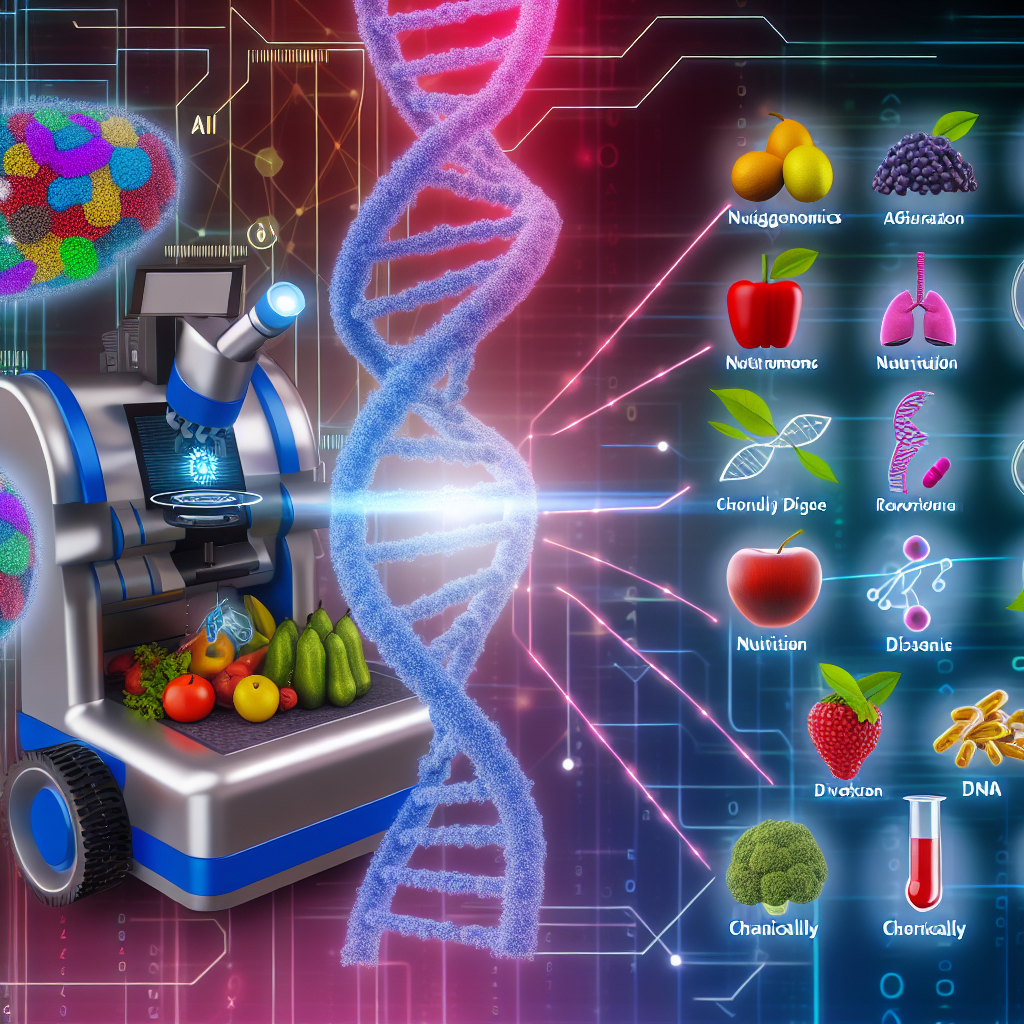
AI-based nutritional algorithms analyze data, including genetics, microbiome composition, lifestyle factors, and current health status. By integrating these variables, AI systems predict individual reactions to foods, helping formulate customized dietary plans. For instance, what benefits one diabetic patient may differ significantly from another due to variations in genetic makeup, activity level, and gut microbiota. AI analyzes these variables in real-time, offering dietary suggestions that align with each person’s unique physiology.
The evolution of AI in nutrition has been facilitated by advancements in data collection and machine learning. Wearable devices and apps track everything from daily caloric intake, step count, and sleep patterns to blood glucose levels. Feeding this data into AI platforms provides a comprehensive view of an individual’s health profile. This detail allows AI to generate dynamic dietary recommendations that adapt as health parameters change. For instance, if a wearable device consistently detects elevated blood sugar levels after specific foods, AI suggests alternatives or adjusts portion sizes to manage glucose better.
One significant advantage of employing AI in nutritional planning is its capacity to continually learn and refine recommendations. As more data is collected over time, algorithms become more accurate in predicting how foods affect individuals. This feedback loop makes dietary management precise and empowers patients to take charge of their health with informed choices. The result is a shift from generic dietary advice to truly personalized nutritional strategies, optimized through AI’s continual learning abilities.
Professional and Medical Studies Supporting Personalized Nutrition
The use of AI in personalizing diets for chronic disease management is backed by several studies and clinical trials. Researchers at institutions like [Stanford University](https://stanford.edu/) and the [Weizmann Institute of Science](https://www.weizmann.ac.il/) have been exploring how personal data can inform dietary recommendations. A pioneering study at the Weizmann Institute analyzed blood glucose responses in a large cohort following identical meals. There was significant variability in glucose responses, driven by differences in microbiota composition, genetics, and lifestyle factors. These findings underscore the limitations of one-size-fits-all dietary recommendations and highlight AI’s potential to tailor diets to individuals.
Another research effort from Stanford University confirmed the viability of personalized nutrition plans using AI. The study demonstrated that personalized dietary interventions lead to better metabolic outcomes than standardized diets. Participants following AI-generated dietary recommendations showed improvements in key markers like blood glucose levels, body mass index, and cholesterol. These outcomes suggest that AI-driven meal planning enhances disease management and may promote greater adherence by aligning with individual taste preferences and metabolic responses.
Additionally, a study published in [Nature Journal](https://www.nature.com/) illustrated the power of combining AI with molecular nutrition to create targeted diet plans considering genetic markers. Researchers used machine learning to analyze genetic information, dietary habits, and health outcomes. AI algorithms identified correlations between genetic markers and specific nutrient metabolism, further customizing dietary recommendations to improve health outcomes.
The implications of these findings are profound. Utilizing AI technology in nutritional planning allows healthcare providers to offer precise, effective interventions, potentially reducing complications and improving quality of life for those with chronic conditions. This personalized approach advocates for proactive rather than reactive healthcare strategies, encouraging individuals to engage in preventative measures through tailored nutrition.
The Future of AI in Personalized Nutrition
The advent of AI in nutritional science marks a revolutionary step toward personalized healthcare, particularly in managing chronic diseases. By harnessing large volumes of personal and clinical data, AI-driven algorithms offer nuanced dietary advice that was previously unattainable. This transformation empowers both professionals and patients, aligning treatment strategies more closely with individual health needs and preferences.
As technology evolves, AI’s integration in dietary planning will likely become more widespread, making personalized nutrition accessible to a broader audience. The potential benefits extend beyond disease management, promoting overall well-being and preventive health. However, challenges such as data privacy, algorithm transparency, and equitable access must be addressed. Collaboration between AI technologists, healthcare providers, and patients will be key to unlocking the full potential of personalized nutrition.
Concise Summary
AI-driven nutritional algorithms offer personalized diet plans by analyzing genetics, microbiome, and other health data, improving chronic disease management. Studies by top institutions reveal significant health improvements through AI-customized diets. As AI technology advances, personalized nutrition may become more accessible, empowering individuals with precise dietary guidance for better health outcomes, yet also raising challenges in data privacy and accessibility.

Dominic E. is a passionate filmmaker navigating the exciting intersection of art and science. By day, he delves into the complexities of the human body as a full-time medical writer, meticulously translating intricate medical concepts into accessible and engaging narratives. By night, he explores the boundless realm of cinematic storytelling, crafting narratives that evoke emotion and challenge perspectives.
Film Student and Full-time Medical Writer for ContentVendor.com