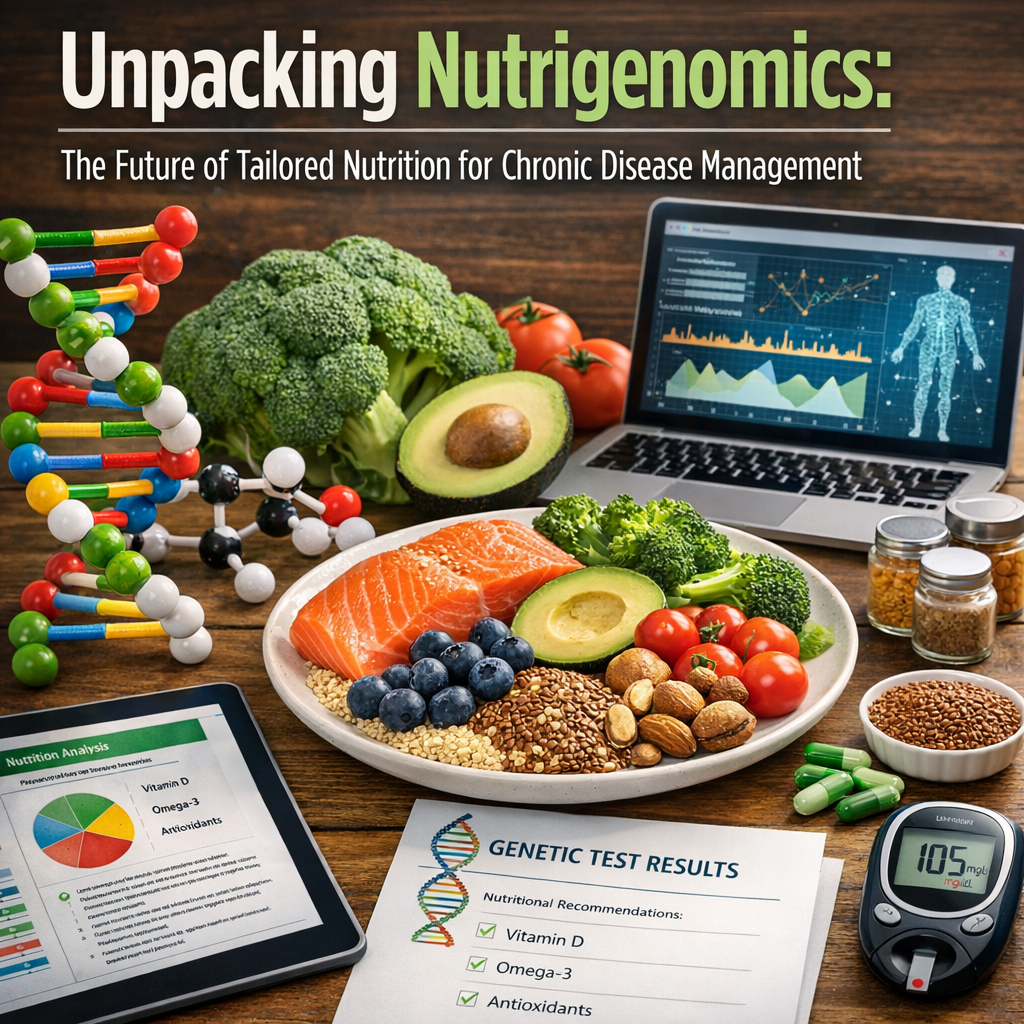
Unpacking Nutrigenomics: The Future of Tailored Nutrition for Chronic Disease Management
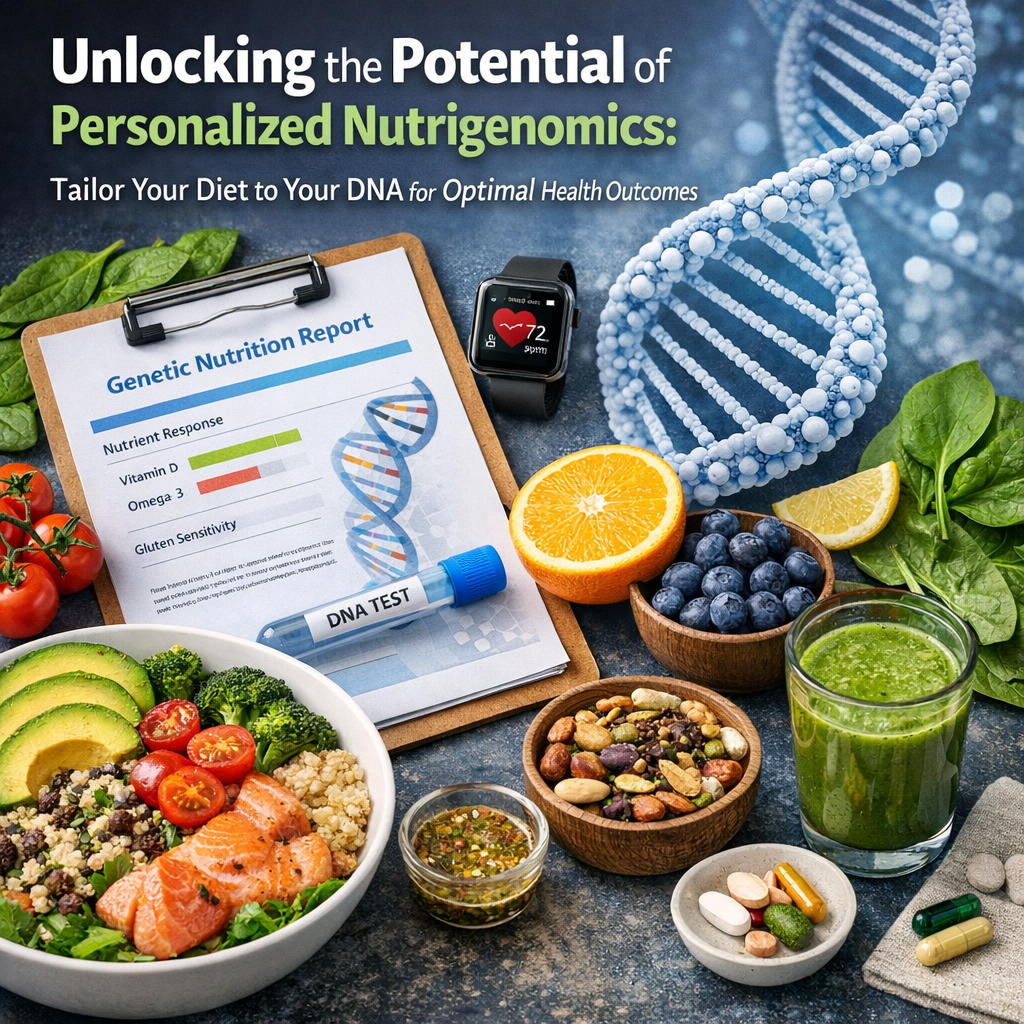
In recent years, the quest for personalized healthcare has taken center stage in medical and wellness circles, with nutrigenomics emerging as a promising frontier. Nutrigenomics is the scientific study of the interaction between nutrition and genes, uncovering how certain nutrients may influence gene expression and, consequently, health outcomes. This field explores how our genetic makeup can affect our response to different dietary components, paving the way for personalized nutrition strategies that align with our unique genetic profiles.
The implications of nutrigenomics are profound, particularly in the context of chronic disease management. Chronic diseases such as diabetes, cardiovascular disease, and obesity continue to be the leading causes of death and disability worldwide. Traditional treatment methods often follow a one-size-fits-all approach, but as we’ve come to learn, each individual’s biological makeup and reaction to medication can vary significantly. This raises a pressing question: could customizing a person’s diet based on their genetic predisposition be the key to more effective chronic disease prevention and management?
Nutrigenomics advocates argue that by understanding genetic variations, we can identify individuals at a higher risk for certain diseases and tailor preventive and therapeutic nutritional strategies accordingly. For instance, variations in genes such as FTO have been linked to obesity, whereas others like APOE are associated with cholesterol levels and cardiovascular risk. Understanding these interactions helps healthcare providers recommend specific dietary interventions that have the potential to reduce disease risk or mitigate the severity of chronic conditions. In essence, nutrigenomics offers a more nuanced view of nutrition that transcends generalized dietary guidelines and embraces the complexity of human genetic diversity.
This burgeoning field is not just about identifying which foods are “good” or “bad” for everyone but discovering how specific nutrients can work in synergy with an individual’s genetic code to promote optimal health. By integrating nutrigenomics into personalized healthcare strategies, we are moving closer to a future where nutrition is as precise as the DNA that forms the blueprint of our very existence.
Features: Professional and Medical Studies
A growing body of research supports the potential of nutrigenomics in revolutionizing chronic disease management through personalized nutrition strategies. A pivotal study published in the American Journal of Clinical Nutrition examined the impact of nutrigenomics-based dietary intervention on obesity management. The researchers found that individuals who adhered to a genetically tailored diet experienced more significant weight loss and improvements in metabolic health compared to those following standard dietary interventions. Such findings underscore nutrigenomics’ potential in offering more effective dietary recommendations for obesity management through precision nutrition.
In another study, published in the journal Nutrients, researchers explored the application of nutrigenomics in managing cardiovascular diseases. The study concluded that tailoring dietary interventions based on genes such as APOE, which influences lipid metabolism and cardiovascular risk, led to more favorable outcomes in lipid profiles and overall heart health. This research highlights the efficacy of nutrigenomics in crafting heart-healthy diets that align with individual genetic risks, addressing an area where traditional dietary advice may fall short.
Additionally, the Journal of Personalized Medicine published a comprehensive review discussing the promise of nutrigenomics in managing diabetes. The review highlighted how variations in genes like TCF7L2, which affect glucose metabolism, can inform dietary changes that mitigate the risk of developing type 2 diabetes or manage existing diabetic conditions. This tailored approach presents a compelling case for the inclusion of nutrigenomics in diabetes prevention and management protocols.
These studies represent just a fraction of the expanding field of nutrigenomics research. As the scientific community continues to uncover the intricate links between genes, nutrition, and chronic disease, the case for integrating nutrigenomics into everyday healthcare becomes increasingly compelling. By leveraging precise genetic insights, nutrigenomics has the potential to revolutionize dietary recommendations and chronic disease management, paving the way for a healthier future.
Conclusion
Nutrigenomics stands as a beacon of hope for those seeking personalized nutrition solutions for chronic disease management. By merging the vast knowledge of genetics with the complexity of human nutrition, this innovative field offers the promise of tailored dietary interventions that align with an individual’s unique genetic predisposition. As we navigate an epoch where life-persistent ailments impact millions, the adoption of precision nutrition based on nutrigenomics could herald a new era of health optimization and problem prevention. Though still in its nascent stages, the potential of nutrigenomics is vast, highlighting the crucial need for continued research and application. As we deepen our understanding of the intricate dance between genes and nutrients, nutritional strategies will become increasingly personalized, helping to reduce the prevalence and severity of chronic diseases in a truly individualized manner.
Concise Summary:
Nutrigenomics, the study of the interaction between nutrition and genes, is revolutionizing chronic disease management through personalized nutrition strategies. By understanding genetic variations, we can tailor diets to mitigate risks associated with diseases like diabetes, cardiovascular disease, and obesity. Studies show that nutrigenomics-based dietary interventions lead to significant improvements in health, highlighting its potential to transcend traditional, generalized dietary guidelines. This burgeoning field promises to integrate precise genetic insights into healthcare, offering tailored nutritional solutions that optimize health and prevent chronic diseases based on unique genetic profiles, ultimately heralding a new era in personalized nutrition.

Dominic E. is a passionate filmmaker navigating the exciting intersection of art and science. By day, he delves into the complexities of the human body as a full-time medical writer, meticulously translating intricate medical concepts into accessible and engaging narratives. By night, he explores the boundless realm of cinematic storytelling, crafting narratives that evoke emotion and challenge perspectives.
Film Student and Full-time Medical Writer for ContentVendor.com