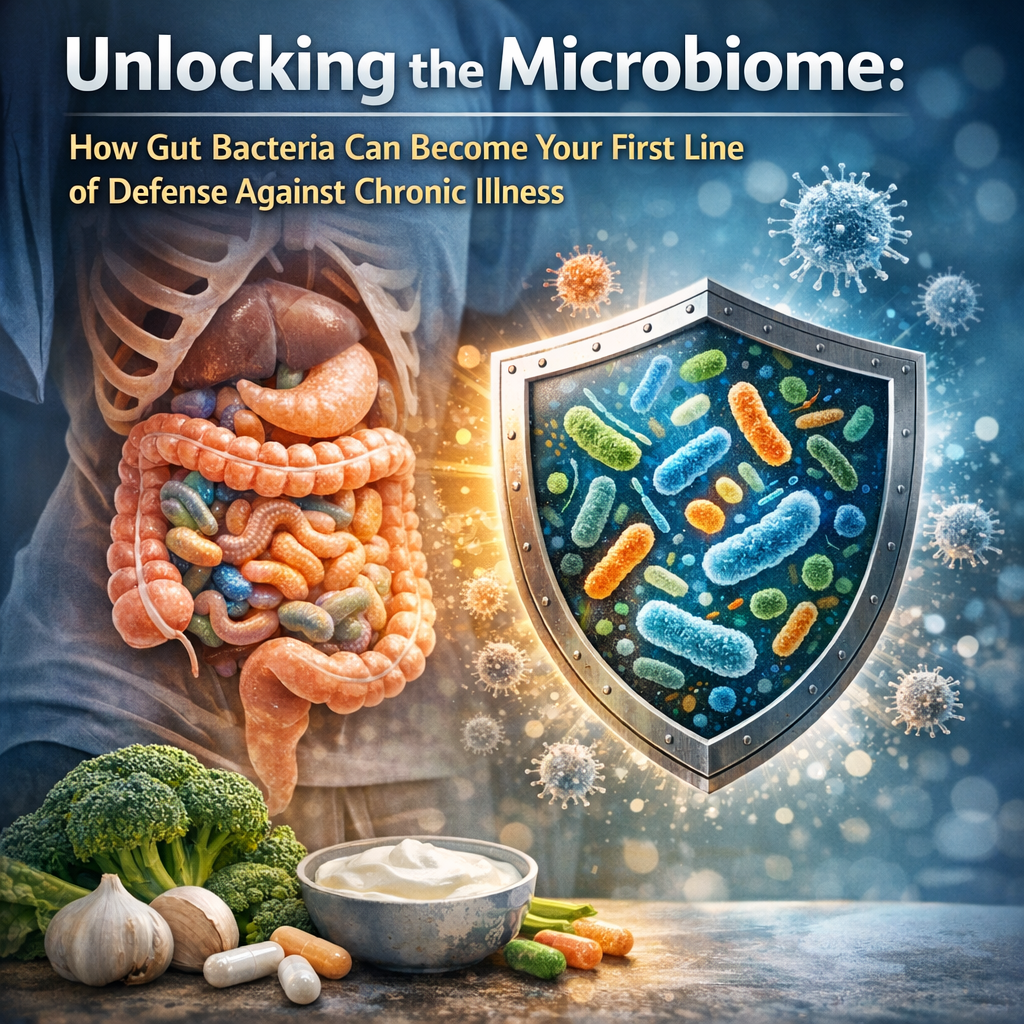
Unlocking the Microbiome: How Gut Bacteria Can Become Your First Line of Defense Against Chronic Illness
Introduction
In recent years, the microbiome has emerged at the forefront of health research, unraveling a realm of microorganisms that inhabit the human gut. This microscopic community comprises trillions of microorganisms, including bacteria, viruses, fungi, and more, collectively weighing about two to six pounds. The gut microbiome serves as an intricate ecosystem, essential for digestive processes, nutrient absorption, and even the production of vitamins. However, the scope of its influence extends far beyond digestion. The intricate balance and variety within the gut microbiome play a pivotal role in maintaining overall health and immunity. Increasingly, research suggests that a well-nurtured gut microbiome acts as a primary defense mechanism against chronic illnesses.
Chronic illnesses are long-lasting conditions that often don’t have a direct cure. They typically require ongoing medical attention, lifestyle changes, or both, and include ailments such as diabetes, cardiovascular disease, and autoimmune disorders. The rising prevalence of these conditions poses a substantial burden across the globe, making prevention strategies critical. This is where the gut microbiome enters the spotlight. The gut is now understood as a command center that communicates with various body systems, influencing responses that can mitigate or exacerbate chronic diseases.
The conversation around gut health is evolving from simple digestive well-being to a sophisticated dialogue about systemic health. Probiotics, prebiotics, and fermented foods have become household terms as people seek to enhance their gut flora. Yet, there remains a pressing need for greater understanding about how to harness the potential of our gut bacteria effectively. Unlocking this potential could revolutionize our approach to preventing and managing chronic illnesses, shifting from reactive treatment to proactive health management.
Features
Recent scientific studies underscore the significance of the gut microbiome in relation to chronic diseases. A landmark study published in the journal *Nature Reviews Immunology* revealed intricate links between gut bacteria and the immune system, highlighting how certain bacterial strains can modulate immune functions, thus affecting inflammation levels throughout the body. Inflammation is a common thread linking various chronic conditions, including diabetes and heart disease, suggesting that maintaining a balanced gut flora could mitigate these inflammatory processes.
Another study published in the journal *Cell* examined the gut-brain axis, a bidirectional communication pathway between the gut and the brain. This study emphasizes that changes in the gut microbiota can affect brain chemistry, highlighting possibilities for managing neurological disorders including depression and anxiety, which often accompany chronic illnesses.
Furthermore, research featured in *The American Journal of Clinical Nutrition* explored how dietary interventions can modulate gut microbiota, proposing that specific dietary fibers can foster beneficial bacterial growth while inhibiting pathogenic strains. This insight supports the potential for dietary strategies in chronic disease prevention and management.
These findings are amplified by human clinical trials, such as those conducted by the *Gut Microbiome Research Lab*, which explored the effects of prebiotic and probiotic supplements on individuals with type 2 diabetes. Results indicated significant improvements in insulin sensitivity and markers of systemic inflammation, suggesting that targeted manipulation of the gut microbiome could enhance therapeutic outcomes for diabetic patients.
Conclusion
As the scientific community continues to untangle the complex web of the gut microbiome and its effects on chronic illness, a clearer picture emerges of its vast potential. By nurturing a diverse, balanced gut microbiome, individuals may fortify their primary defense against chronic diseases—a shift from managing symptoms to addressing root causes. This approach heralds a new era of personalized healthcare where dietary adjustments, targeted probiotics, and lifestyle changes are tailored to individual gut profiles.
Unlocking the microbiome holds promise not only for preventing chronic conditions but also for enhancing overall well-being. As our understanding deepens, gut health could become a cornerstone of medical practice and everyday life, encouraging proactive strategies that prioritize prevention over cure. The advancement of this field offers hope and excitement, paving the way for innovative treatments and healthier futures. By embracing the power of our gut bacteria, we stand poised to guard against chronic illnesses more effectively than ever before.
Concise Summary
Emerging research highlights the pivotal role of the gut microbiome in preventing and managing chronic diseases such as diabetes and heart disease, positioning it as a first line of defense. The microbiome influences systemic health, linking gut bacteria with immune function and the gut-brain axis. Studies suggest dietary strategies can cultivate beneficial bacteria, enhancing overall health and treatment outcomes. Advances in understanding gut health propose a shift towards proactive healthcare, emphasizing personalized dietary and lifestyle interventions, potentially transforming disease prevention and healthcare practices.
References
1. “Nature Reviews Immunology” – Nature Reviews Immunology
2. “Cell” – Cell
3. “The American Journal of Clinical Nutrition” – The American Journal of Clinical Nutrition
4. “Gut Microbiome Research Lab” – Gut Microbiome Research Lab

Dominic E. is a passionate filmmaker navigating the exciting intersection of art and science. By day, he delves into the complexities of the human body as a full-time medical writer, meticulously translating intricate medical concepts into accessible and engaging narratives. By night, he explores the boundless realm of cinematic storytelling, crafting narratives that evoke emotion and challenge perspectives.
Film Student and Full-time Medical Writer for ContentVendor.com