Nutritional Epigenetics: How Your Diet Could Rewrite Your Genetic Destiny
Introduction
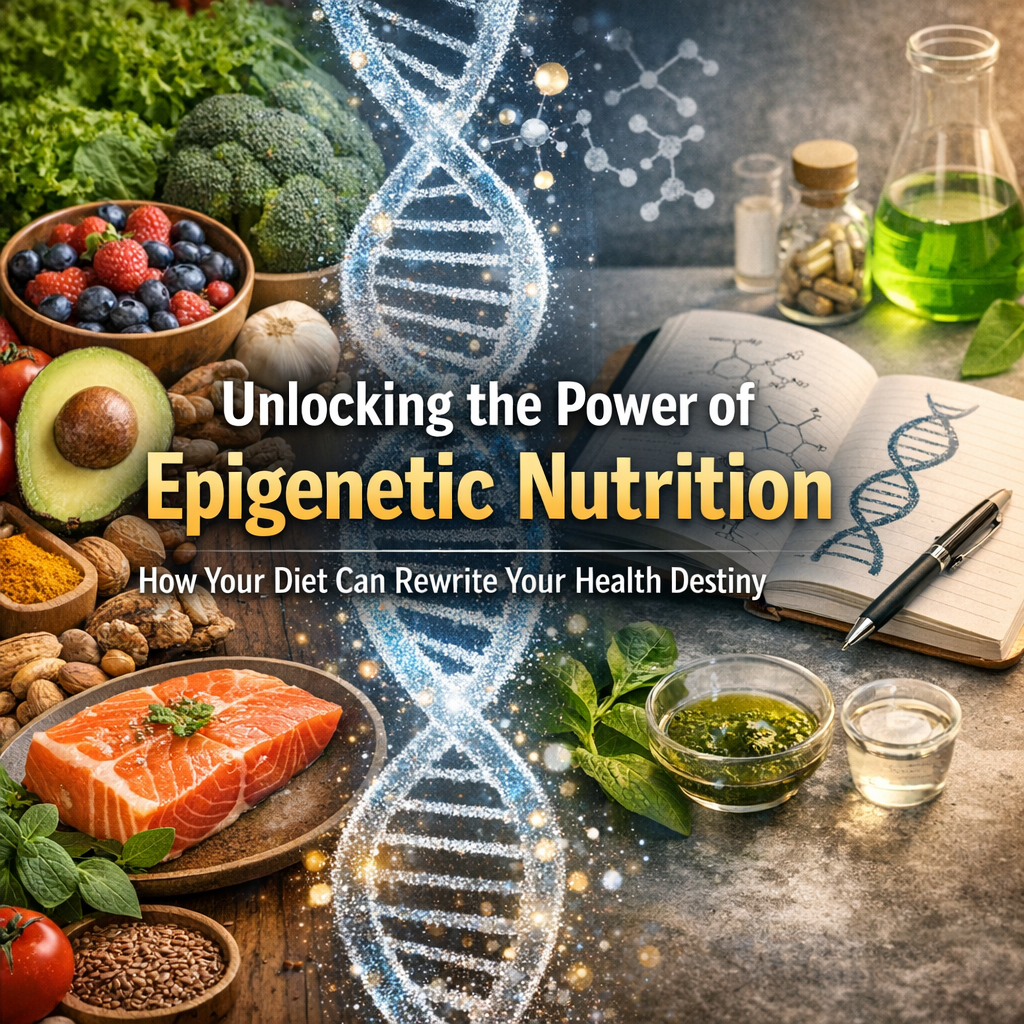
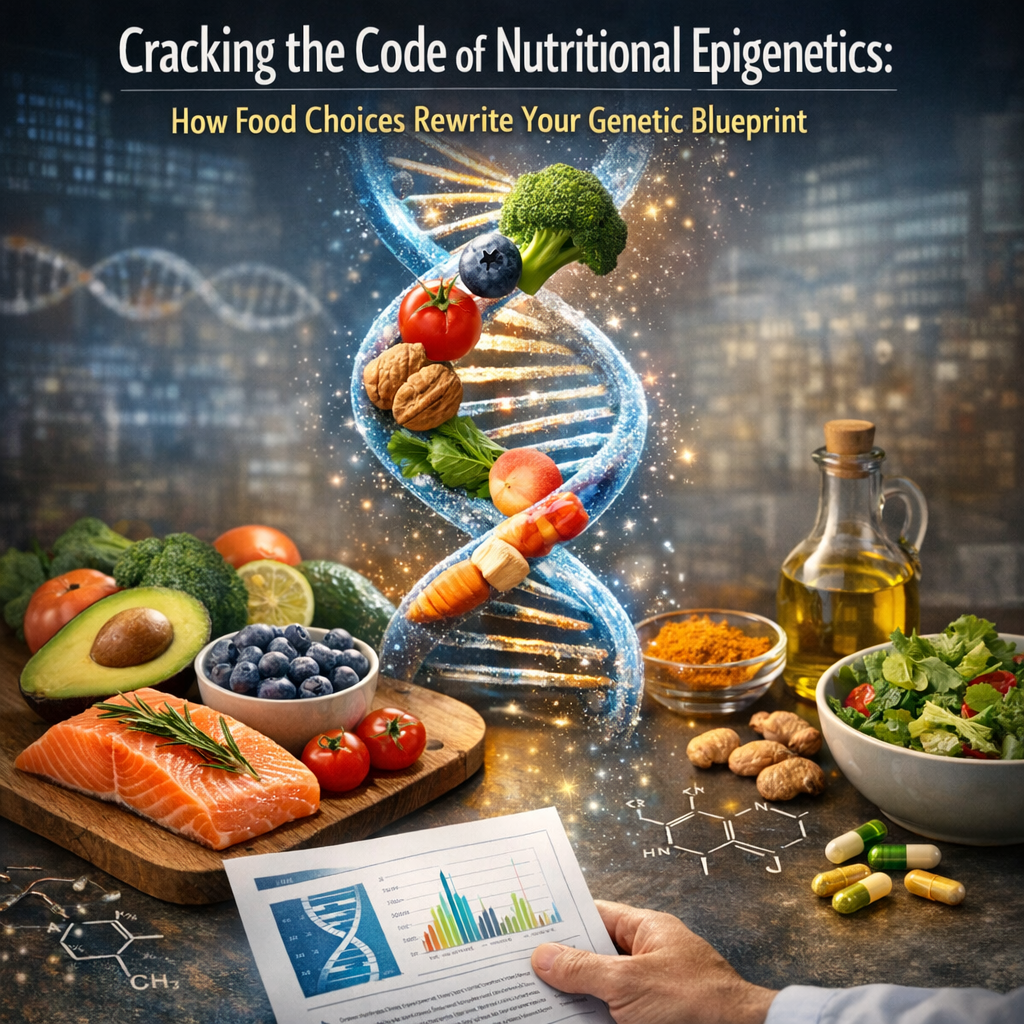
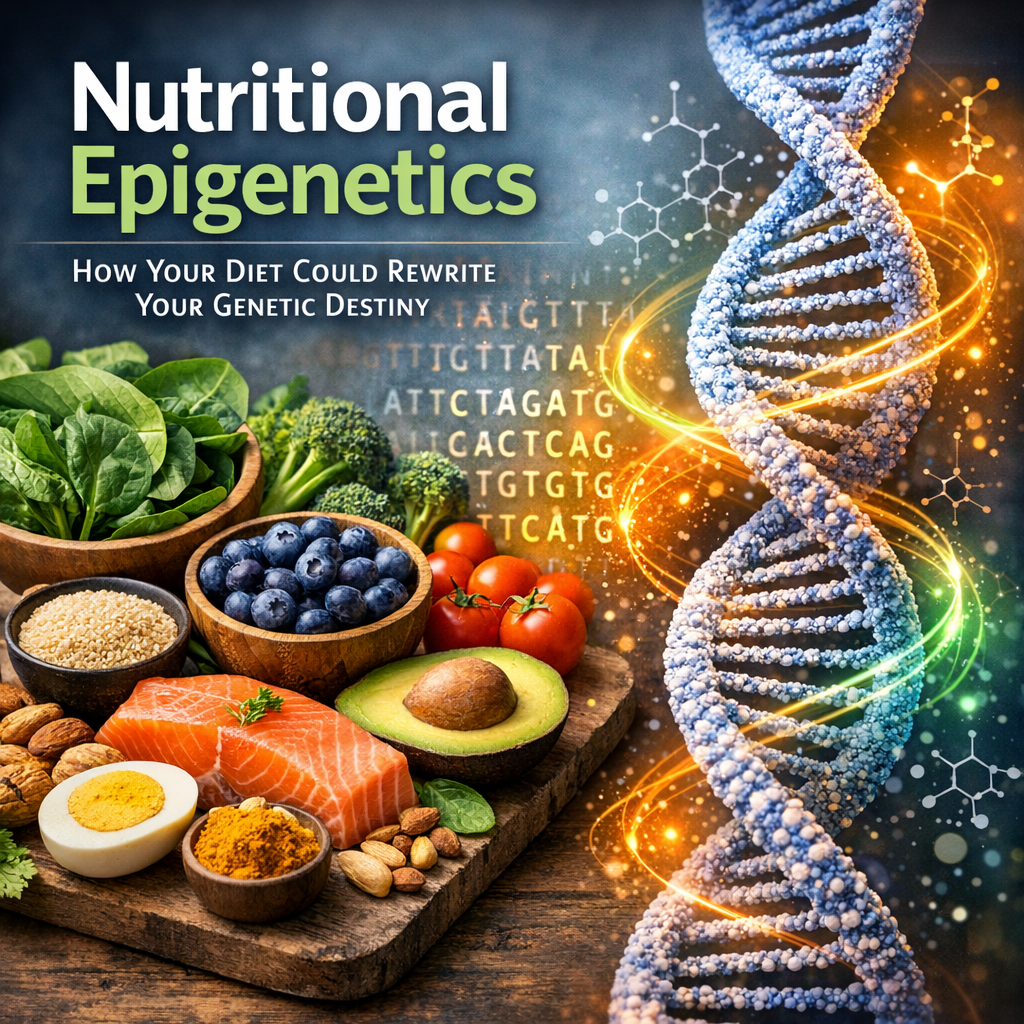
In recent years, the convergence of nutrition and genetics has opened new horizons in understanding how our diet can influence our genetic makeup. This burgeoning field, known as nutritional epigenetics, explores how what we eat can affect gene expression without changing the DNA sequence itself. It poses an intriguing question: can dietary choices counteract genetic predispositions and promote better health outcomes?
At the heart of this inquiry lies the concept of epigenetics, which refers to the study of changes in organisms caused by the modification of gene expression rather than alteration of the genetic code itself. These changes occur through mechanisms such as DNA methylation, histone modification, and non-coding RNA molecules, all of which can be influenced by environmental factors, including nutrition.
The implications of nutritional epigenetics are profound. Imagine having a genetic predisposition to a particular disease yet being able to mitigate or even negate that risk through conscious dietary choices. Foods rich in bioactive compounds — such as vitamins, minerals, and phytochemicals — are believed to play a role in epigenetic mechanisms, thereby influencing gene expression and potentially rewriting one’s genetic destiny.
For instance, a diet rich in leafy greens, berries, and nuts could impact genes associated with inflammation, thereby lowering the risk of chronic illnesses like heart disease and diabetes. On the flip side, a diet high in processed foods and sugars could exacerbate genetic vulnerabilities, enhancing the likelihood of health complications.
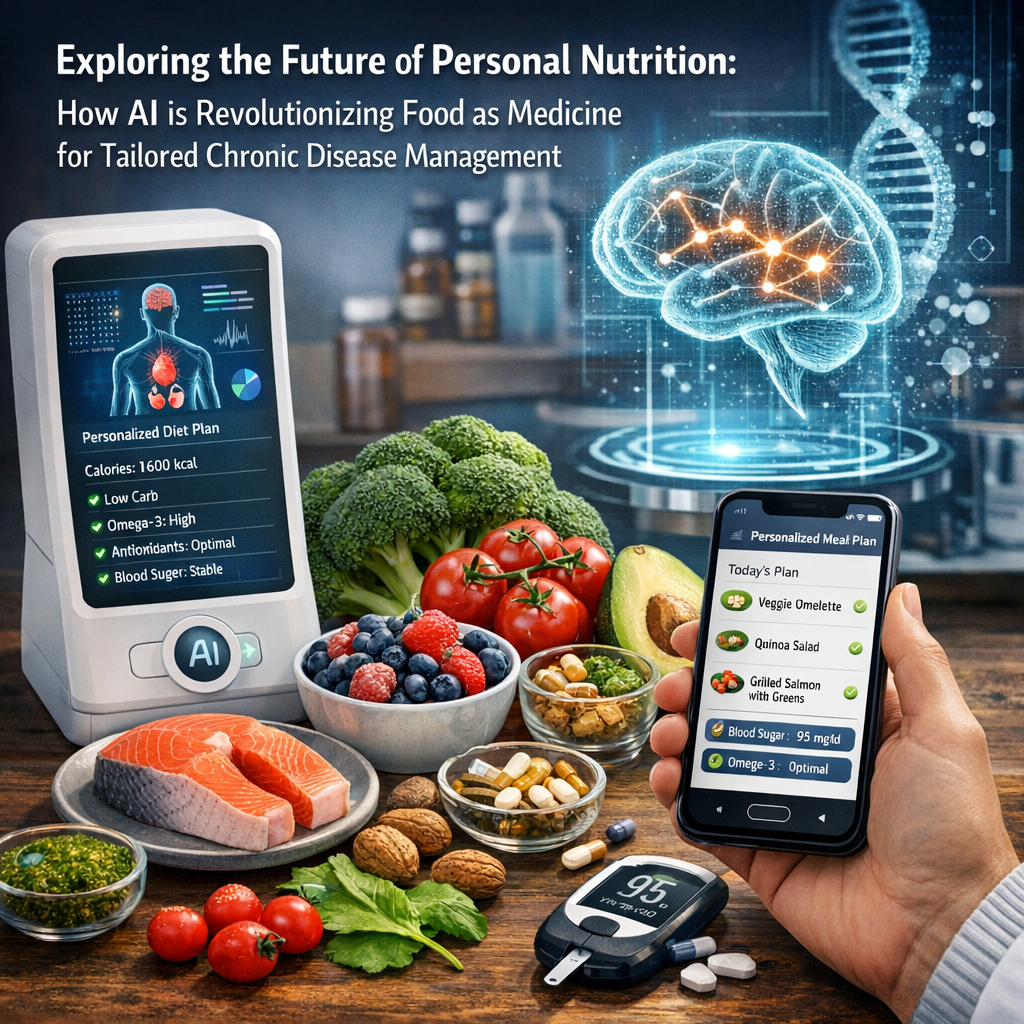
As science advances, personalized dietary recommendations tailored to an individual’s genetic profile could become a standard approach in medicine, enabling holistic and targeted interventions. However, while early studies show promising results, the relationship between diet and genetics is complex and requires further exploration to unravel all its intricacies. This evolving field necessitates scientific advancements and continued research to establish concrete diet-gene connections.
Features
Several professional and medical studies have begun to illuminate the potential of nutritional epigenetics. One pioneering study published in the journal *Nature Reviews Genetics* highlights how folate, a B-vitamin found in foods like leafy greens, beans, and liver, is integral in DNA methylation processes. DNA methylation is one of the primary mechanisms by which diet can influence epigenetic modifications, thus affecting gene expression.
Moreover, research from the *Epigenetics & Chromatin* journal suggests that polyphenols, naturally occurring compounds found in foods like fruits, tea, and olive oil, may modulate gene expression by altering histone modifications. This modulation can impact critical genes related to inflammation and cancer development.
Additionally, a study in the *American Journal of Clinical Nutrition* explores the potential epigenetic effects of omega-3 fatty acids found in fish oil. These fatty acids have been associated with reduced DNA methylation in genes linked to fatty acid metabolism and inflammation, suggesting their role in altering disease pathways.
Furthermore, the *Journal of Nutritional Biochemistry* has shown that the consumption of cruciferous vegetables like broccoli, containing sulforaphane, can induce epigenetic changes that activate tumor suppressor genes. This is an exciting development in cancer prevention and highlights the power of diet in influencing gene expression in a protective manner.
These studies underscore the potential of nutritional epigenetics to transform healthcare. By understanding the intricate interactions between diet and gene expression, we can help mitigate heritable health risks and promote longevity and well-being through tailored nutritional strategies.
Conclusion
Nutritional epigenetics offers a revolutionary perspective on health and wellness, positing that our dietary choices can potentially alter gene expression and change our health destiny. While nature sets the stage with our genetic blueprint, nurture, in the form of diet, can influence genetic activity, suggesting that we have more control over our health than previously believed.
As exciting as this field is, it’s important to approach it with scientific skepticism and patience. Many promising studies lay the groundwork for a future where personalized nutrition can counteract genetic predispositions, but the full translation of these insights into clinical practice is still evolving.
For now, embracing a balanced diet rich in diverse, nutrient-dense foods remains a cornerstone of good health. As research progresses, our understanding of the dynamic relationship between nutrition and genetic expression will likely deepen, offering new tools to enhance health and potentially redefine the concept of genetic destiny.
By staying informed about developments in nutritional epigenetics, individuals can make empowered choices that align with their health goals while contributing to a growing body of knowledge aimed at harnessing the full potential of diet and genetics.
Concise Summary
Nutritional epigenetics explores the influence of diet on gene expression without altering DNA sequences. Through mechanisms like DNA methylation and histone modification, dietary choices, especially bioactive compounds, can impact genetic vulnerabilities to diseases. Promising studies highlight positive effects, such as omega-3 fatty acids reducing DNA methylation and cruciferous vegetables activating tumor suppressor genes. This emerging field suggests that personalized nutrition could mitigate heritable health risks, although the translation into clinical practice is still developing. Embracing a nutrient-dense diet remains essential while ongoing research continues to unravel diet-genetics interactions.

Dominic E. is a passionate filmmaker navigating the exciting intersection of art and science. By day, he delves into the complexities of the human body as a full-time medical writer, meticulously translating intricate medical concepts into accessible and engaging narratives. By night, he explores the boundless realm of cinematic storytelling, crafting narratives that evoke emotion and challenge perspectives.
Film Student and Full-time Medical Writer for ContentVendor.com