Unlocking the Link: How Food As Medicine Is Shaping Precision Health Solutions for Metabolic Syndromes
Introduction
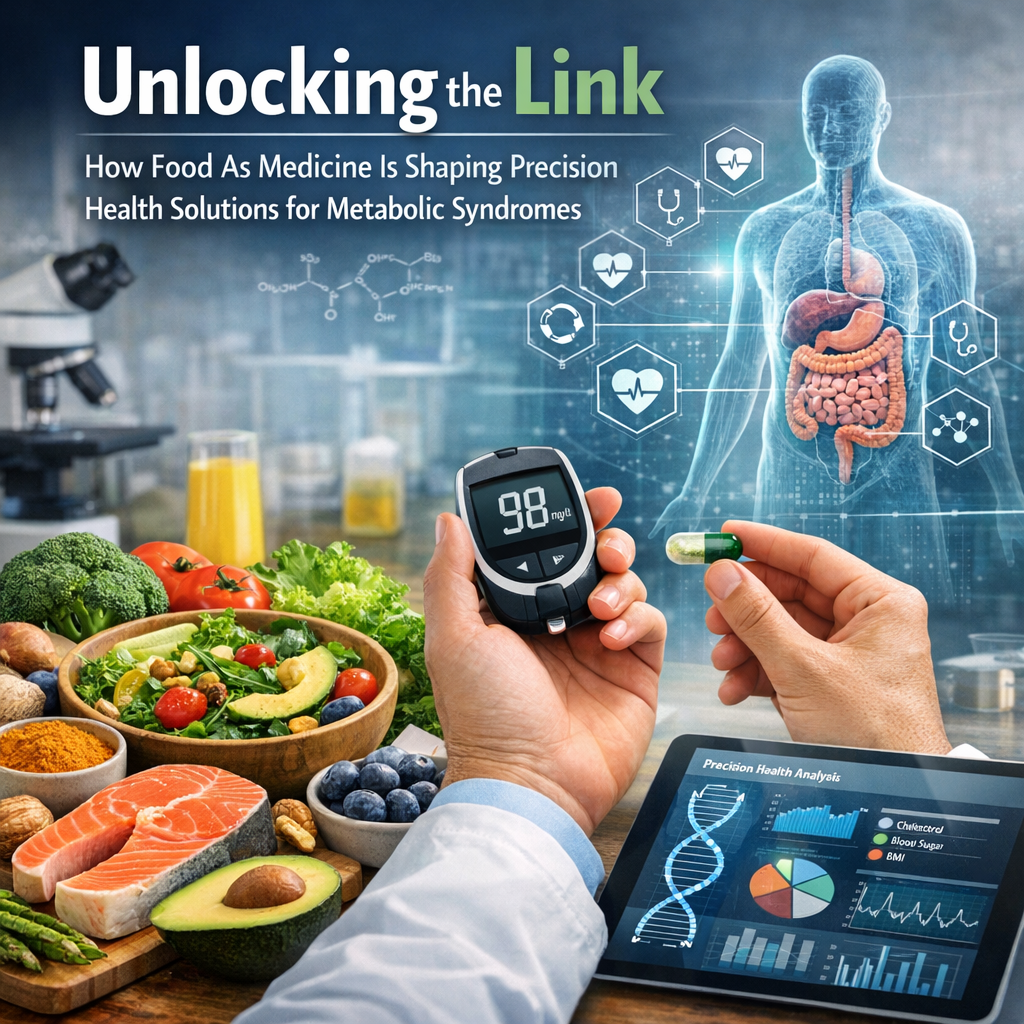
In recent years, the landscape of healthcare and wellness has experienced a transformative shift towards precision health solutions, integrating nutrition science with personalized medical approaches. At the forefront of this transformation is the burgeoning recognition of food as medicine—a concept aligning dietary habits with personal health profiles to mitigate and manage metabolic syndromes. Metabolic syndrome is a cluster of conditions, including insulin resistance, hypertension, dyslipidemia, and obesity, increasing the risk of cardiovascular disease and type 2 diabetes. While traditional medical interventions often rely on pharmaceuticals, a growing body of research suggests that tailored nutritional strategies can profoundly impact health outcomes by addressing the root causes of such disorders.
The foundational principle behind using food as medicine is its ability to offer a natural, sustainable, and primarily non-invasive approach to health. Unlike conventional medicine, which often targets symptoms, dietary interventions aim to recalibrate the body’s internal processes, promoting long-term well-being. This approach is grounded in the understanding that the nutrients we consume directly influence bodily functions, from cellular regeneration and hormone balance to metabolic rate and immune response. With precision health, dietary recommendations are aligned with an individual’s genetic makeup, lifestyle, and pre-existing health conditions. This personalization ensures each person receives a unique dietary framework to address their metabolic needs.
As wellness paradigms evolve, the scientific community emphasizes the role of whole foods, herbs, and natural compounds in managing metabolic health. Foods rich in antioxidants, healthy fats, and fibers are recognized for improving insulin sensitivity, reducing inflammation, and moderating lipid levels. When integrated into a person’s diet based on specific health markers, these foods can facilitate superior health outcomes compared to generalized dietary guidelines. Importantly, the movement towards food as medicine parallels advances in genetic testing, providing insights into individual susceptibilities and nutritional needs, fostering more informed decisions regarding dietary intake and lifestyle choices.
Features
Scientific exploration into the therapeutic potential of food as medicine is yielding compelling evidence supporting its role in precision health solutions. A pivotal study published in the journal Nutrients highlights the impact of polyphenols, bioactive compounds found in foods such as berries, nuts, and teas, on metabolic health. Polyphenols can attenuate inflammatory pathways and enhance insulin signaling, ameliorating risk factors associated with metabolic syndrome. This research underscores the need to incorporate polyphenol-rich foods into diet plans tailored for individuals with varying degrees of metabolic dysfunction.
Additionally, a report in the Journal of the American College of Nutrition elaborates on the efficacy of plant-based diets in managing and potentially reversing metabolic syndrome. Researchers found that diets emphasizing whole grains, legumes, fruits, and vegetables contribute to lower body mass index (BMI), improved lipid profiles, and greater insulin sensitivity. These findings align with a precision health approach and highlight the benefits of dietary patterns that are not only plant-focused but also personalized to fit one’s metabolic and genetic profile.
Furthermore, a study conducted by the American Journal of Clinical Nutrition explored the role of omega-3 fatty acids in cardiovascular health. The research demonstrated that omega-3 supplementation, found in fatty fish and some plant oils, can significantly reduce triglyceride levels and lower systolic blood pressure in individuals at risk of metabolic syndrome. These outcomes suggest potential for targeted dietary interventions including omega-3-rich foods to reduce the pathophysiological impacts of the syndrome.
Conclusion
The integration of food as medicine in addressing metabolic disorders signifies a paradigm shift in perception and utilization of nutritional science. Embracing this approach requires collaboration between nutritionists, geneticists, and healthcare providers to develop customized dietary guidelines catering to an individual’s unique health profile. While food alone may not cure metabolic syndromes, strategic use as a preventive and therapeutic tool represents a pivotal advancement in achieving optimal health outcomes. Moving forward, the fusion of technology, such as genomic testing with traditional nutritional wisdom, holds the promise of revolutionizing healthcare with a focus on prevention and the promotion of sustainable wellness through dietary choices. As the evidence base grows, the role of food as medicine in precision health will likely expand, offering hope and actionable strategies for those facing challenges of metabolic syndromes.
Concise Summary:
The concept of “food as medicine” is transforming healthcare by integrating nutrition science with precision health approaches to manage metabolic syndromes like insulin resistance, hypertension, and obesity. Unlike traditional medicine, which focuses on symptoms, dietary interventions aim to address root causes by aligning with an individual’s genetic profile. Studies show that incorporating foods rich in polyphenols, adopting plant-based diets, and consuming omega-3 fatty acids can significantly impact metabolic health. This approach, coupled with advances in genomic testing, offers a promising strategy for personalized dietary guidelines, emphasizing prevention and sustainable wellness.

Dominic E. is a passionate filmmaker navigating the exciting intersection of art and science. By day, he delves into the complexities of the human body as a full-time medical writer, meticulously translating intricate medical concepts into accessible and engaging narratives. By night, he explores the boundless realm of cinematic storytelling, crafting narratives that evoke emotion and challenge perspectives.
Film Student and Full-time Medical Writer for ContentVendor.com