Exploring the Forgotten Microbes: How Ancient Fermentation Can Reshape Modern Health Protocols
Topic Introduction
In the labyrinth of modern health trends, where supplements and synthetic remedies strive to cure our ailments, an ancient practice is resurfacing with a promise to restore not only health but a connection with nature: fermentation. The global fascination with natural cures, homeopathic, and herbal treatments has rekindled interest in time-tested methods, and fermentation stands out as a cornerstone. This practice, with roots tracing back to ancient civilizations such as Egypt and China, involves the transformation of food by microbes—tiny, often overlooked organisms that have immense potential for boosting health.
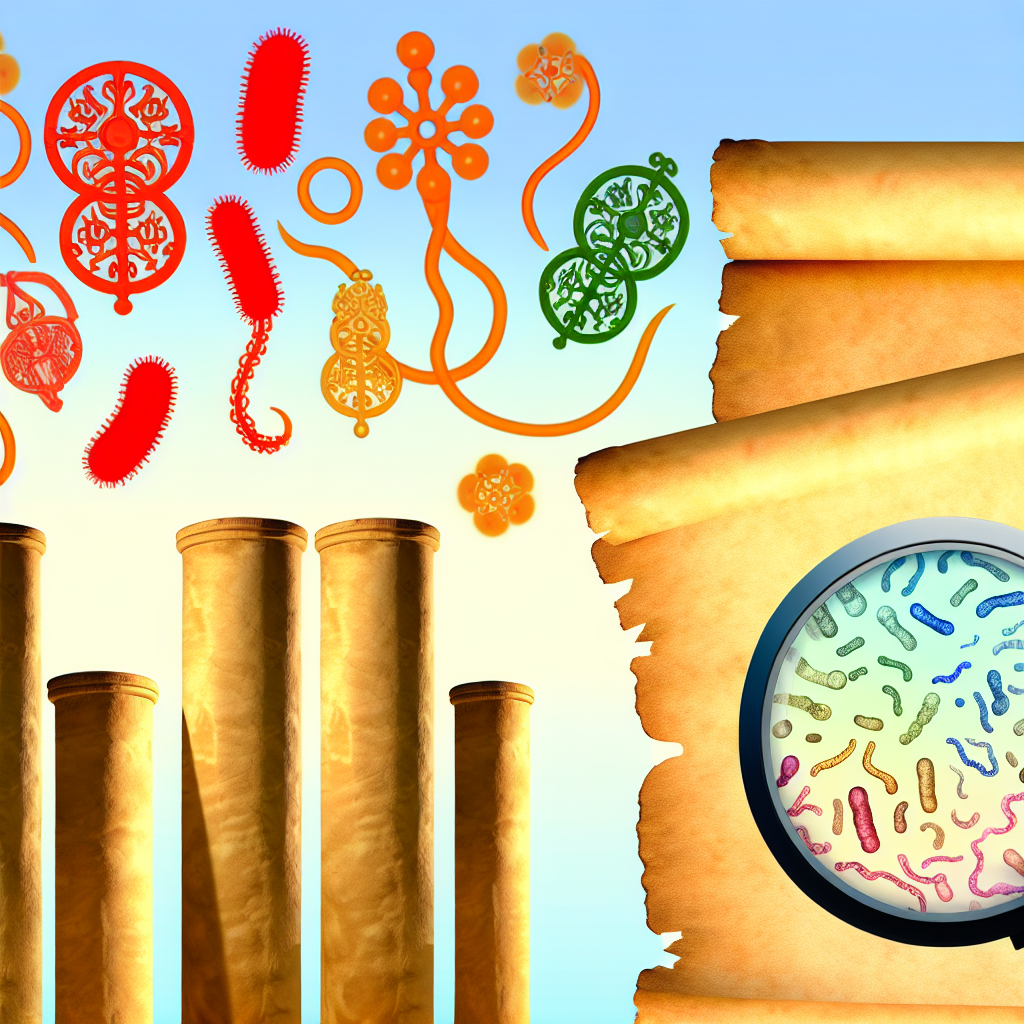
Fermentation is a natural technique that harnesses the power of beneficial bacteria and yeasts to break down foods, enhancing their nutritional profile and bioavailability. The forgotten microbes used in fermentation, like Lactobacillus and Bifidobacterium, produce enzymes, vitamins, and other bioactive compounds that play pivotal roles in maintaining gut health, boosting immunity, and even fostering mental well-being. As people search for holistic approaches to health, these microbes offer a compelling natural alternative.
This resurgence is not just anecdotal but is strongly backed by scientific inquiry. With the rise of antibiotic resistance and the negative side effects of pharmaceuticals, the interest in probiotics and fermented foods is more relevant than ever. Fermented foods like kefir, kimchi, and sauerkraut are increasingly finding their way into households worldwide, celebrated not only for their unique flavors but also for their potential health benefits. By revisiting these ancient methods, we gain insights not only into historical dietary practices but also into groundbreaking possibilities for modern health protocols.
In this article, we delve into the forgotten microbes that have shaped our cultural culinary heritage and explore how they hold the keys to revolutionizing our approach to health. We will also examine scientific studies that shed light on fermentation’s health implications, emphasizing its value as a natural cure deeply rooted in both tradition and science.
Features
The proliferation of scientific interest in fermented foods is a testament to their transformative potential for health. In recent years, numerous clinical and observational studies have linked fermented foods and probiotics to a plethora of health benefits. Research published in the journal Frontiers in Microbiology highlights how fermentation can improve the digestibility of foods, increase nutrient availability, and even reduce the prevalence of food intolerances.
Moreover, the role of fermented foods in gut health cannot be overstated. A study featured in Nature Reviews Gastroenterology & Hepatology underscores how the consumption of probiotics found in fermented foods can help restore the delicate balance of gut microbiota—an essential aspect given the modern diet’s toll on gut health. The interplay between these beneficial microbes and the human host may significantly impact conditions like irritable bowel syndrome, inflammatory bowel disease, and even mental health disorders, supporting the emerging understanding of the gut-brain axis.
Beyond digestion, fermented foods have also been associated with improved cardiovascular health. Various studies, such as those cited in The American Journal of Clinical Nutrition, have linked the consumption of fermented dairy products with reduced cardiovascular disease risk. The production of bioactive peptides during fermentation is thought to play a role in cholesterol and blood pressure regulation.
Furthermore, the immunomodulatory effects of fermented foods, as described in studies in Current Opinion in Gastroenterology, suggest that they can help enhance immune function, making the body more resilient to infections and diseases.
These scientific validations reinforce the notion that fermentation is more than a culinary technique; it’s a bridge between ancient wisdom and contemporary health solutions. As such, integrating these forgotten microbes into daily diets could be a pivotal move towards addressing modern health challenges naturally.
Conclusion
The ancient art of fermentation has proven its worth beyond culinary appeal—it’s a formidable ally in the quest for health and wellness. Revisiting these traditional methods allows us to harness natural cures that have been proven effective over millennia. As modern science continues to uncover the vast potential of these forgotten microbes, it’s evident that they are more than culinary artifacts; they’re keys to improving our mental health, supporting our immune system, and enhancing our overall well-being.
Integrating fermented foods into our daily routine is a simple yet powerful step towards holistic health. These natural, homeopathic treatments remind us that sometimes, the solutions to our most pressing health issues are rooted not in the laboratory, but in the traditions handed down through generations. Whether it’s through enjoying a tangy kimchi or a refreshing glass of kombucha, we have the opportunity to redefine our relationship with food and, in doing so, take proactive control of our health.
By appreciating and adopting the practices of fermentation, we align ourselves with nature’s rhythm, embracing a time-honored method that proves enduring in its capacity to heal and nourish.
Concise Summary: Ancient fermentation, a practice tracing back to Egypt and China, is seeing renewed interest due to its potential health benefits. This traditional method leverages beneficial bacteria and yeasts to enhance food’s nutritional profile and bolster gut health. As interest in holistic health rises, fermented foods like kimchi and kefir offer a natural alternative to pharmaceuticals. Scientific studies confirm their value in improving digestion, cardiovascular health, and immunity. Integrating fermentation into daily life respects ancient wisdom while addressing modern health challenges, offering a bridge between traditional practices and contemporary health innovations.

Dominic E. is a passionate filmmaker navigating the exciting intersection of art and science. By day, he delves into the complexities of the human body as a full-time medical writer, meticulously translating intricate medical concepts into accessible and engaging narratives. By night, he explores the boundless realm of cinematic storytelling, crafting narratives that evoke emotion and challenge perspectives.
Film Student and Full-time Medical Writer for ContentVendor.com