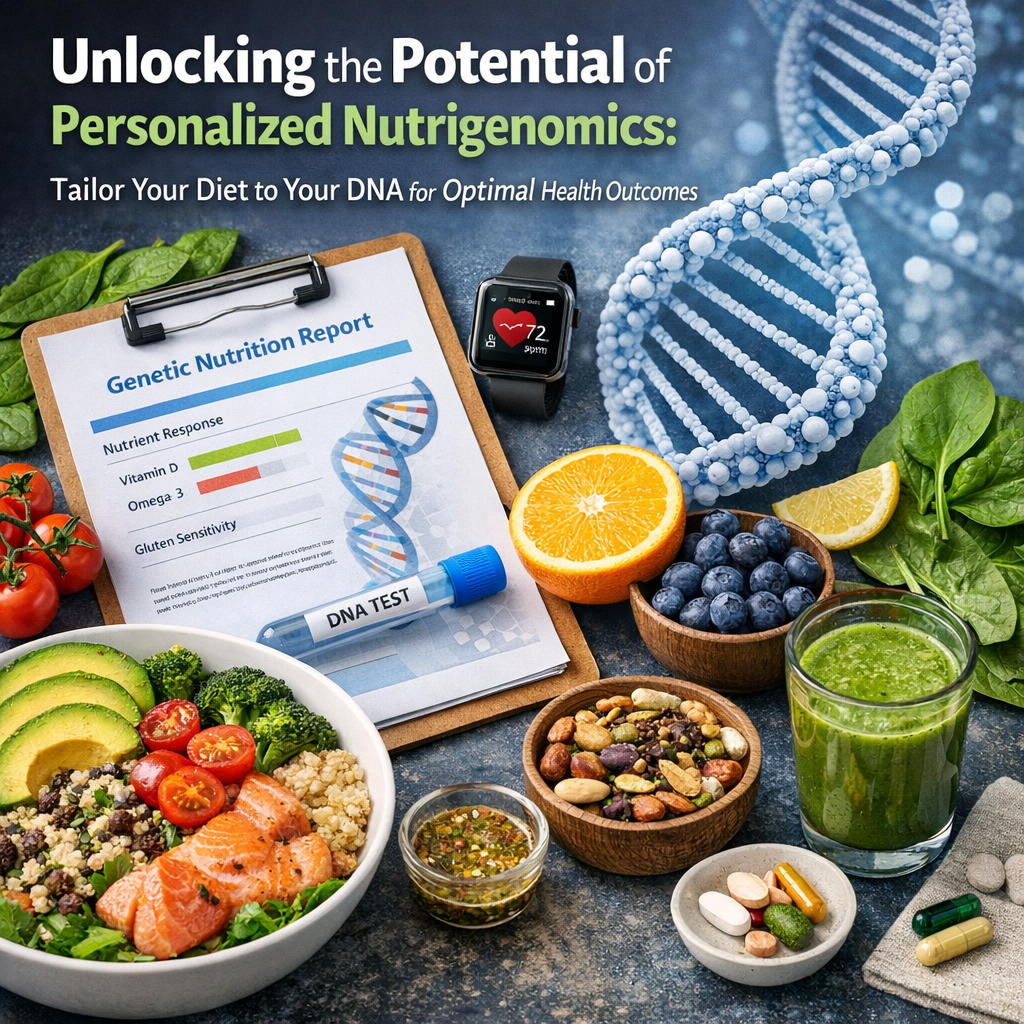
Unlocking the Potential of Personalized Nutrigenomics: Tailor Your Diet to Your DNA for Optimal Health Outcomes
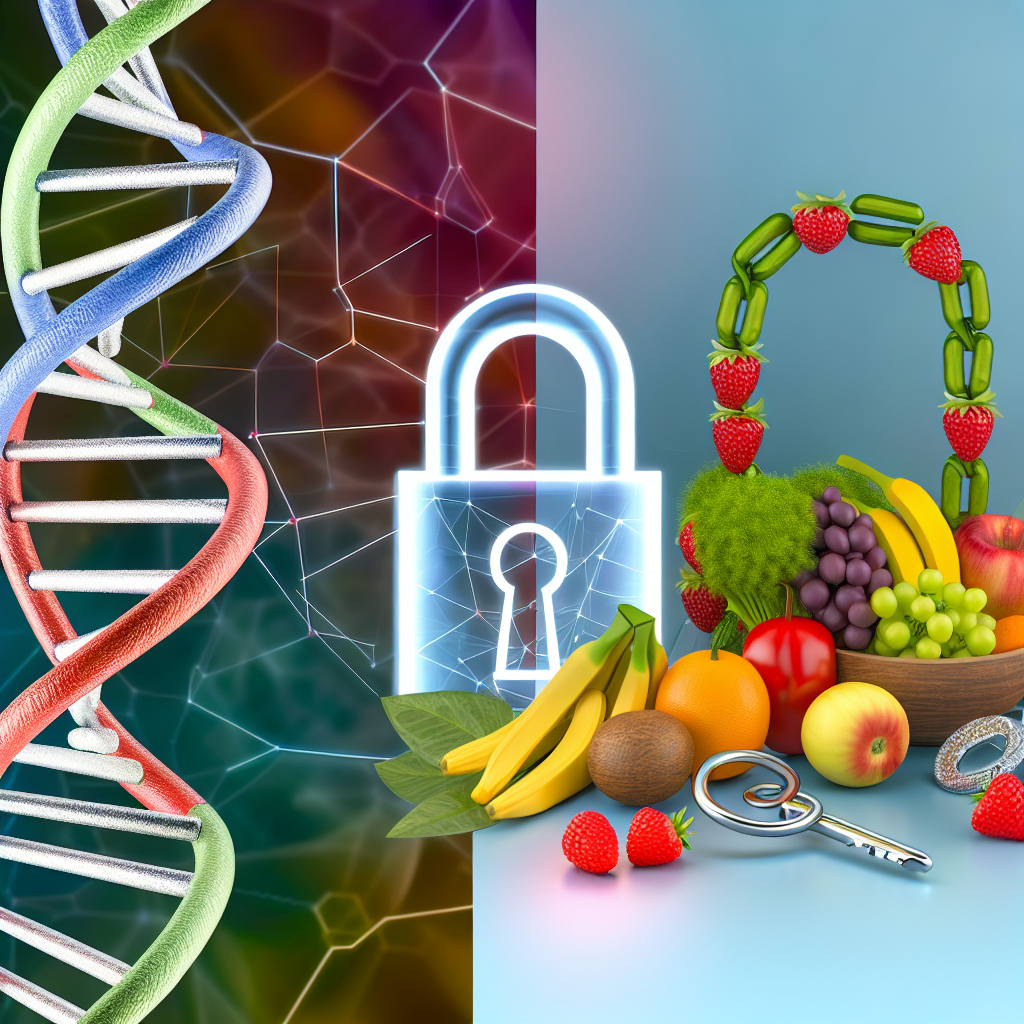
In an era marked by rapidly advancing technology and a growing focus on personalized healthcare, nutrigenomics is emerging as a transformative field that holds the promise of optimizing health outcomes by tailoring diets to individual DNA profiles. Nutrigenomics, a term derived from “nutrition” and “genomics,” explores the intricate interactions between our genes and nutritional intake. By understanding these interactions, we can unlock personalized dietary plans that not only prevent disease but also promote overall well-being.
The concept of nutrigenomics rests on the idea that our genetic makeup significantly influences our nutritional needs and how our bodies respond to various foods. While traditional nutritional guidelines have been primarily designed around broad populations, failing to account for individual genetic differences, nutrigenomics offers a more nuanced approach. For example, some people may have genetic variations that affect how they metabolize certain nutrients, impact their risk for developing certain diseases, or influence their body’s response to specific dietary patterns.
With advancements in genetic testing, individuals now have the opportunity to delve deep into their genetic blueprint. This empowers them to make informed decisions about their diet, potentially reducing the risk of chronic illnesses such as obesity, diabetes, and cardiovascular diseases. Imagine being armed with the knowledge that your genetic predisposition calls for a diet rich in omega-3 fatty acids to mitigate inflammation, or understanding that your body requires additional folate to support healthy cellular function. Such insights can be life-changing.
The field of nutrigenomics is supported by a growing body of scientific research. For instance, studies have identified specific gene-diet interactions that can significantly influence health outcomes. Moreover, advances in bioinformatics have underscored the critical roles that various nutrients play at the molecular level, impacting gene expression and cellular processes. As this area of study continues to evolve, it holds immense potential for revolutionizing the way we approach personalized nutrition and health.
Features
Several professional and medical studies highlight the promise of nutrigenomics. One notable study published in [Nature Reviews Genetics](https://www.nature.com/articles/nrg1977) emphasizes how genetic variations can influence nutrient metabolism and the risk of nutrition-related diseases. This research illuminates the importance of understanding genetic predispositions to tailor nutritional interventions effectively.
The [PREDICT study](https://journals.plos.org/plosbiology/article?id=10.1371/journal.pbio.3000796), a large-scale research project, similarly underscores the significance of personalized nutrition. This study analyzed how people respond differently to the same food and found that these variations could be attributed to genetic differences, among other factors. The results highlighted how personalized dietary recommendations that consider genetic profiles could improve individual health outcomes.
Another pivotal study, published in [The American Journal of Clinical Nutrition](https://academic.oup.com/ajcn/article/89/2/454/4597796), investigated gene-diet interactions in the context of cardiovascular disease. The researchers discovered that specific gene variants significantly affected lipid metabolism, demonstrating the potential of nutrigenomics in crafting personalized dietary plans to prevent cardiovascular ailments.
Furthermore, advancements in nutrigenomic testing are making it more accessible to individuals seeking personalized health strategies. Companies are now providing genetic testing kits that offer insights into gene-nutrient interactions, helping people identify their unique nutritional needs. These tests analyze genes related to metabolism, taste preferences, nutrient absorption, and more, providing a comprehensive overview of how diet and genetics intertwine.
While the research in this field is still evolving, the data continues to point toward significant benefits associated with adopting a personalized nutrition approach. As more individuals recognize the impact of their unique genetic blueprint on their nutritional needs, the demand for nutrigenomic insights is expected to rise, ultimately transforming dietary planning into a science-driven, individualized endeavor.
Conclusion
The realm of nutrigenomics offers an exciting frontier for personalized healthcare, emphasizing a paradigm shift from generalized dietary guidelines to tailored nutritional plans based on individual genetic profiles. By recognizing the profound connections between our genes and the foods we consume, we can proactively manage our health, combat illness, and enhance our quality of life.
As the science continues to evolve, engaging with nutrigenomics can empower individuals to make informed dietary choices, aligning their dietary habits with their genetic predispositions. For those embarking on this journey, the potential health benefits are substantial, offering a pathway to not only mitigate health risks but also optimize well-being through a deeper understanding of one’s unique nutritional blueprint.
Concise Summary
Nutrigenomics, an emerging field in personalized healthcare, aims to optimize health by aligning diets with individual DNA profiles. This innovative approach, supported by scientific research and advancements in genetic testing, enables tailored nutritional interventions. By accounting for genetic variations, it offers insight into personalized dietary needs, reducing risks of chronic diseases. Studies like the PREDICT study highlight gene-diet interactions, emphasizing improved health outcomes. As technologies advance, nutrigenomic testing becomes more accessible, enabling informed dietary decisions. Ultimately, nutrigenomics transforms dietary planning into a science-driven pursuit, enhancing health and well-being.

Dominic E. is a passionate filmmaker navigating the exciting intersection of art and science. By day, he delves into the complexities of the human body as a full-time medical writer, meticulously translating intricate medical concepts into accessible and engaging narratives. By night, he explores the boundless realm of cinematic storytelling, crafting narratives that evoke emotion and challenge perspectives.
Film Student and Full-time Medical Writer for ContentVendor.com