Unlocking Nutritional Genetics: Crafting Personalized Diets with AI-Powered DNA Profiling
Introduction
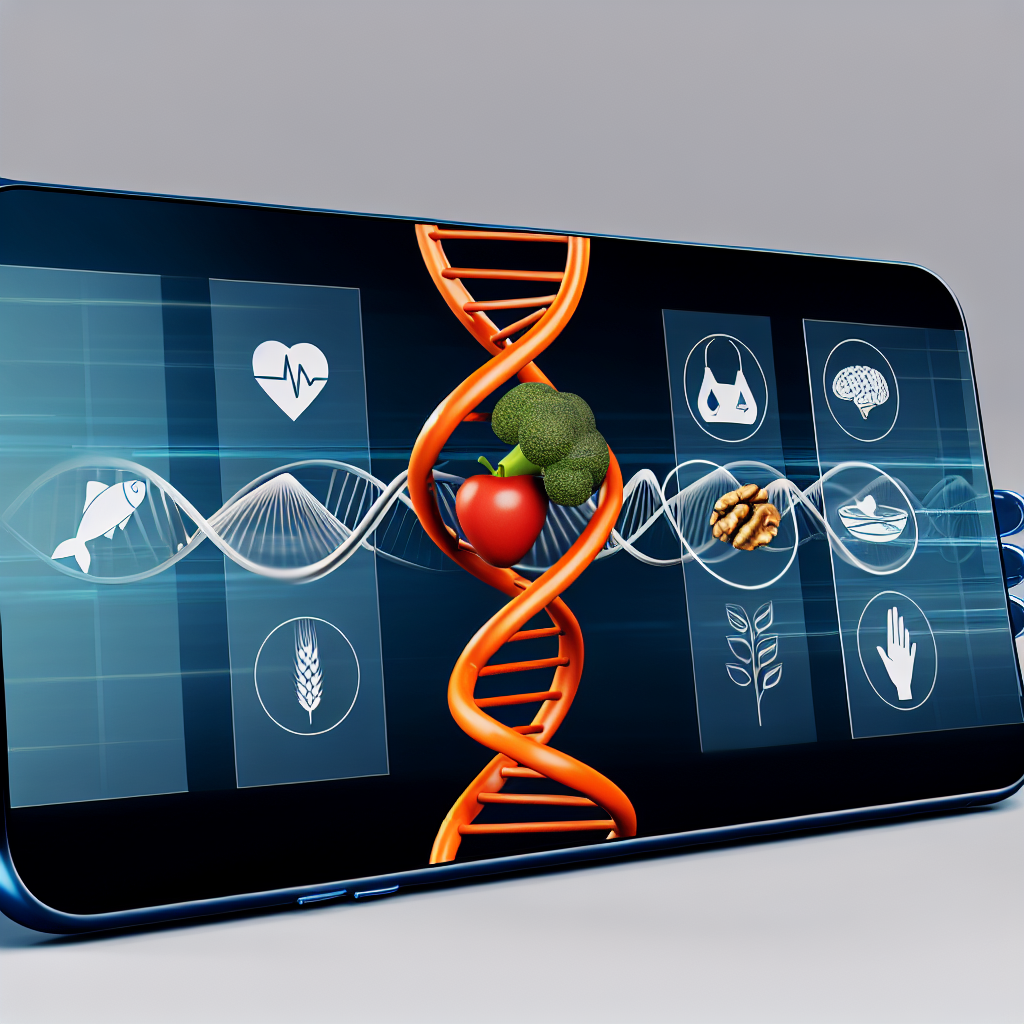
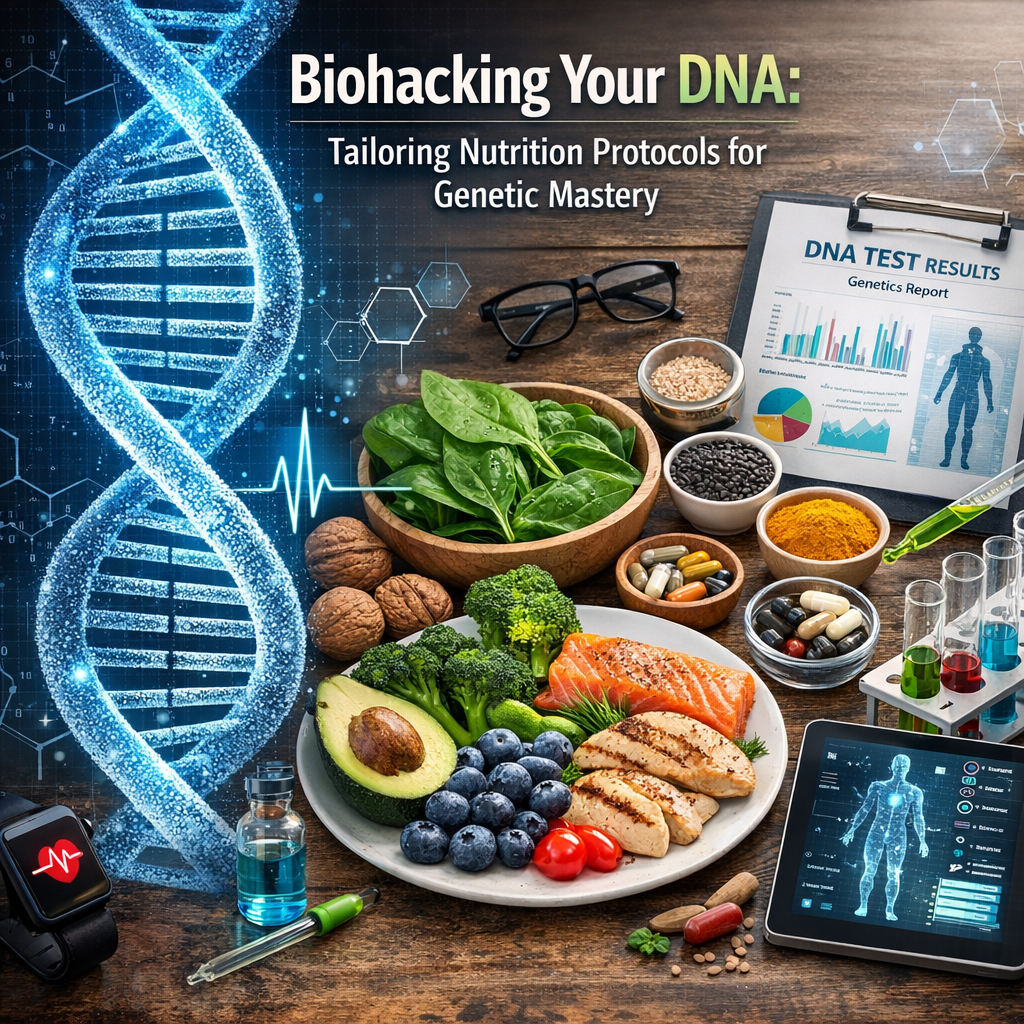
In an era where technology and wellness intersect at an unprecedented pace, the concept of personalized nutrition has taken center stage. This paradigm shift from generic dietary guidelines to individualized nutrition plans is made possible by advancements in genetic research and artificial intelligence (AI). At the heart of this revolution is the science of nutritional genetics, which explores how our genetic makeup influences our nutritional needs and health responses. The advent of AI-powered DNA profiling further elevates this field, enabling the creation of highly customized diet plans that cater to an individual’s unique genetic composition, lifestyle, and health goals.
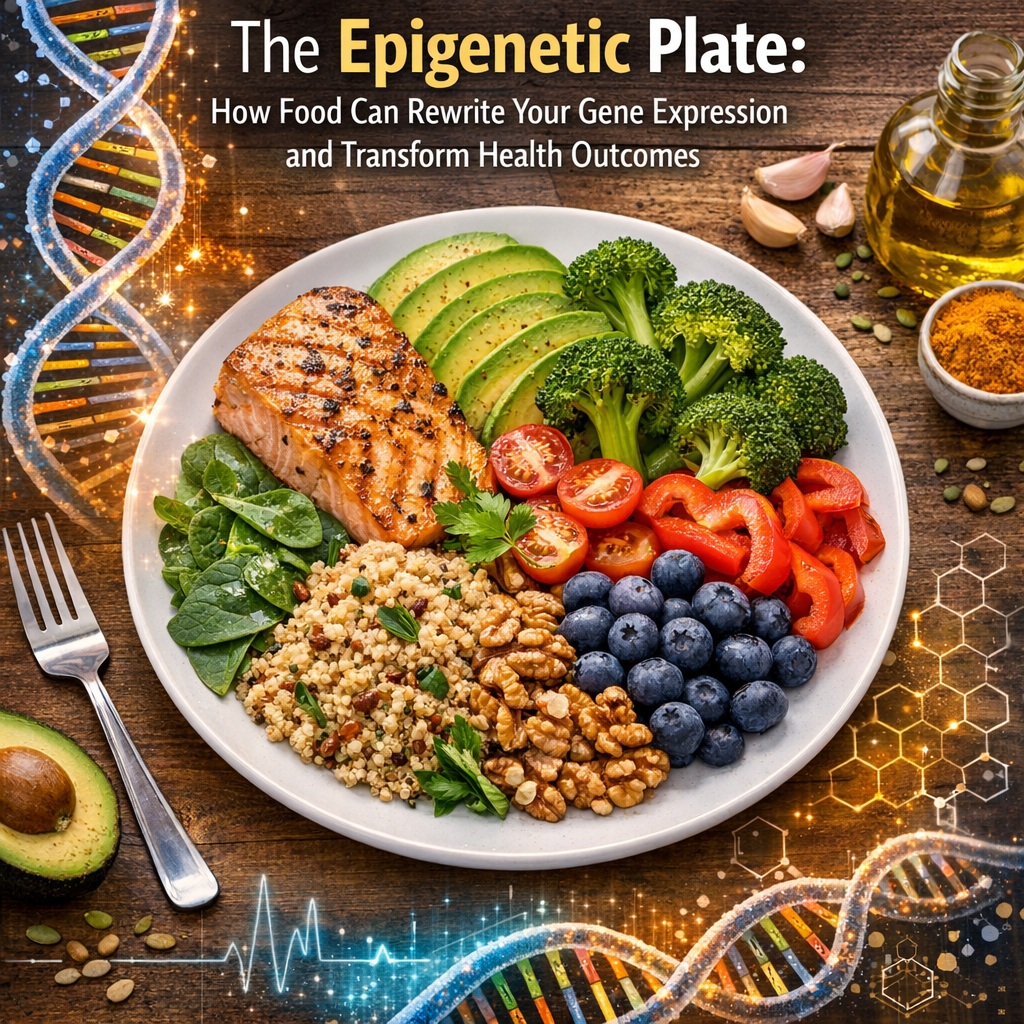
As traditional approaches often overlook genetic variations, the use of DNA profiling in nutrition offers a more tailored approach, promoting optimal health results. Generic dietary recommendations such as “eat more fiber” or “consume less sugar” might not be sufficient or effective for everyone. This is because genetic differences can significantly impact how individuals metabolize, absorb, and convert nutrients. For instance, some people might have a genetic predisposition to efficiently metabolize carbohydrates, while others might better tolerate fats or proteins. Consequentially, personalized diets consider these genetic nuances, offering a more targeted strategy that could prevent chronic diseases, enhance metabolism, and promote overall well-being.
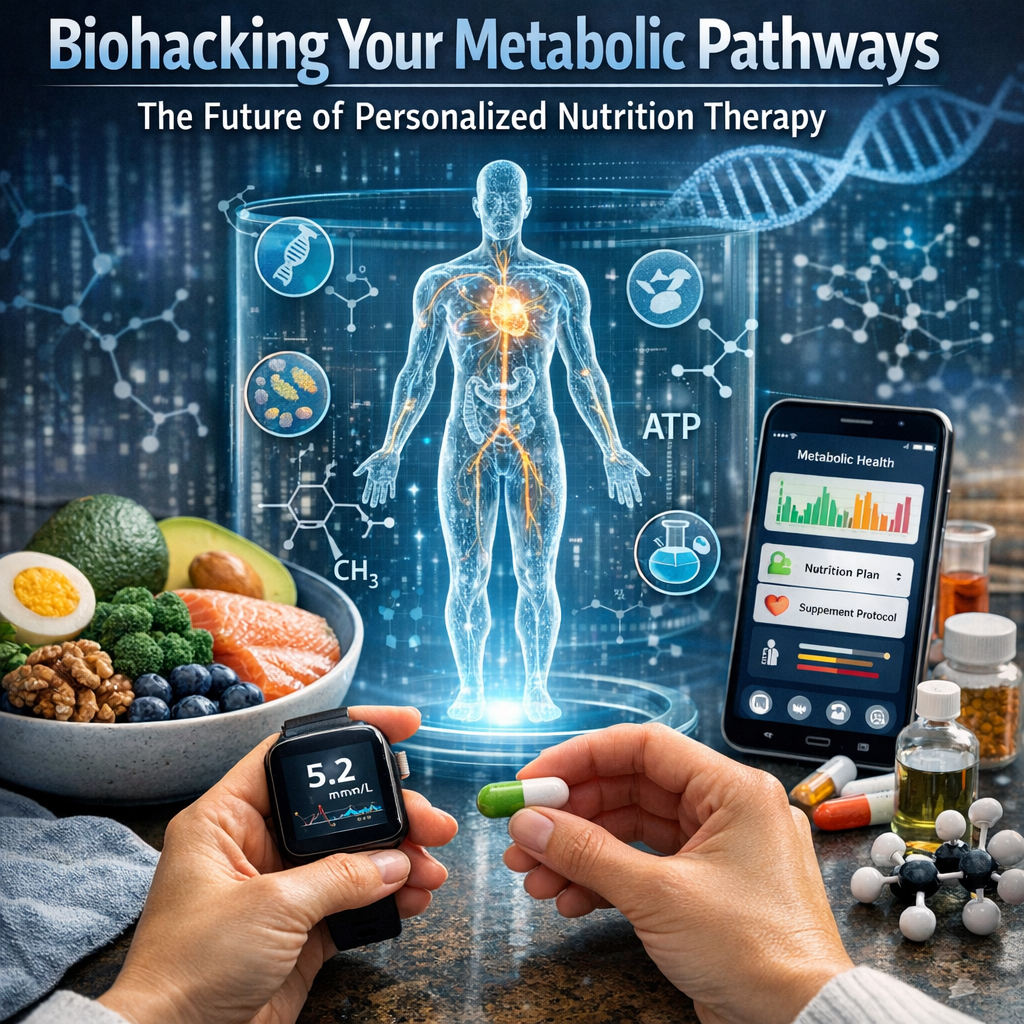
The integration of AI into genetic profiling simplifies this process by swiftly analyzing vast amounts of data to yield actionable insights. AI algorithms can identify complex patterns and correlations that may be overlooked by human analysis. This capability not only speeds up the process but also increases the precision of the dietary recommendations. Moreover, as AI continues to learn from new data, these recommendations can evolve, providing continual optimization of dietary plans based on real-time health progress and feedback.
Features
Recent professional and medical studies underscore the potential of personalized nutrition. A study published in the journal *Nature Metabolism* demonstrated that individuals respond differently to identical meals, with similar blood sugar responses eliciting widely varied metabolic responses among participants. This variation underscores the significance of personalized approaches to nutrition, as opposed to a one-size-fits-all model. The study highlighted that personalized dietary advice, when informed by genetic, microbiome, and lifestyle data, could significantly improve metabolic health outcomes.
Another pivotal study by the *British Medical Journal* illustrated the benefits of DNA-informed diet plans in weight management. The study found that participants adhering to genetically tailored dietary recommendations had better adherence and weight loss outcomes compared to those following conventional diet plans. This supports the premise that personalized nutrition, guided by DNA insights, fosters more effective and sustainable health results.
Beyond individual benefits, the broader implications of AI-powered DNA profiling are substantial. It holds promise for public health initiatives by enabling more targeted interventions that could address dietary deficiencies within specific populations. This technology can also assist healthcare providers in offering more precise nutritional counseling, potentially reducing the incidence of diet-related diseases such as obesity, diabetes, and cardiovascular disorders.
Conclusion
As AI-powered DNA profiling continues to gain traction, it is redefining the future of nutrition and wellness. By leveraging the power of technology and genetic insights, personalized diets promise a more holistic approach to health, moving beyond generalized advice to more customized strategies that respect and respond to individual genetic differences. While challenges such as data privacy and ethical considerations remain, the benefits of personalized nutrition, empowered by AI, are clear. This approach not only fosters personalized well-being and health empowerment but also represents a significant advancement in the pursuit of more effective and sustainable diet interventions. As this field evolves, we stand on the brink of a new era in nutrition—one where diets are as unique as our DNA, and where optimal health is within customizable reach.
References
1. Zeevi, D., Korem, T., Zmora, N., et al. (2015). Personalized Nutrition by Prediction of Glycemic Responses. *Nature Metabolism*. [Nature Metabolism](https://www.nature.com/articles/s41591-019-0167-0)
2. Gardner, C. D., Trepanowski, J. F., Del Gobbo, L. C., et al. (2018). Effect of Low-Fat vs Low-Carbohydrate Diet on 12-Month Weight Loss in Overweight Adults and the Association with Genotype Pattern or Insulin Secretion. *The British Medical Journal*. [BMJ](https://www.bmj.com/content/361/bmj.k1793)
Concise Summary
Advancements in genetic research and AI-powered DNA profiling are revolutionizing personalized nutrition by creating customized diet plans tailored to individual genetics. Personalized nutrition, underpinned by AI, considers genetic variations that influence nutrient metabolism, while studies show benefits in metabolic health and weight management. This approach promises more effective, individualized strategies for health, although data privacy and ethical considerations pose challenges. As AI learns from new data, personalized diets could transform public health initiatives, reduce diet-related diseases, and empower personal well-being through customizable and optimal health strategies.

Dominic E. is a passionate filmmaker navigating the exciting intersection of art and science. By day, he delves into the complexities of the human body as a full-time medical writer, meticulously translating intricate medical concepts into accessible and engaging narratives. By night, he explores the boundless realm of cinematic storytelling, crafting narratives that evoke emotion and challenge perspectives.
Film Student and Full-time Medical Writer for ContentVendor.com