Nutrition Protocols: The Unseen Link Between Microbiome Diversity and Longevity
Introduction
In recent years, the fascination with living longer, healthier lives has driven both scientific inquiry and popular interest toward one microscopic frontier: the human microbiome. This complex ecosystem of trillions of bacteria, viruses, fungi, and other microorganisms resides primarily in our intestines and is proving to be a vital organ in its own right. While each individual’s microbiome is unique, research reveals compelling evidence that its diversity directly impacts our overall health and lifespan. As we explore the nuances of nutrition protocols and their role in enhancing microbiome diversity, we uncover a crucial understory that connects our dietary habits with the potential for increased longevity.
Our gastrointestinal tract, home to an incredibly diverse array of microorganisms, exists in a delicate balance that influences everything from digestion to immune function and even mental health. Emerging studies suggest that a more varied microbiome associates with resilience against age-related diseases, pointing to an era where dietary interventions could become integral to anti-aging strategies. As we age, microbiome diversity tends to decline, correlated with increased frailty, inflammation, and susceptibility to ailments such as obesity and diabetes. The significance of preserving this diversity throughout our lifetime cannot be overstated.
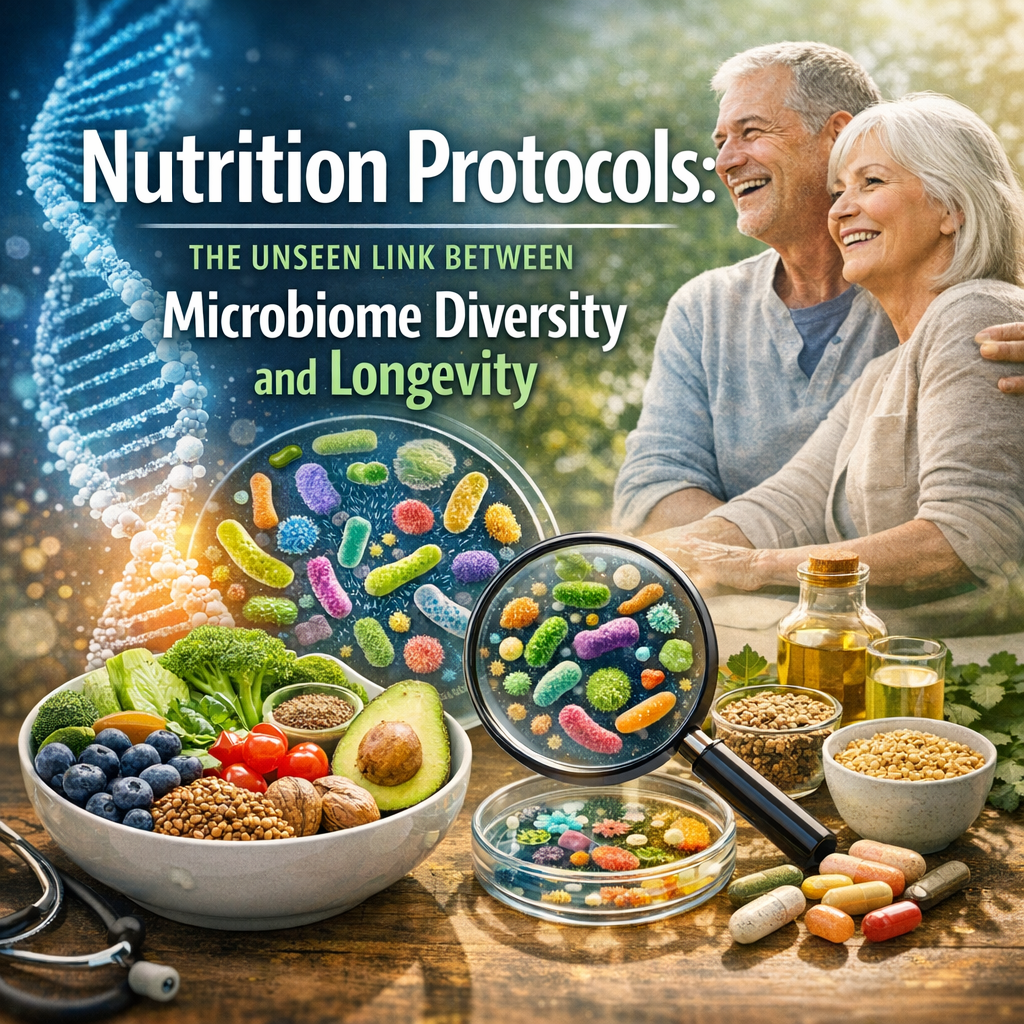
The pursuit of microbiome diversification through nutrition involves a nuanced understanding of plant-based diets, fermented foods, fiber-rich balanced meals, and even potentially probiotic and prebiotic supplements. All these offer pathways to fostering a more abundant gut ecological community. Foods rich in polyphenols, such as berries, nuts, and dark leafy greens, have been shown to nurture beneficial bacteria. Meanwhile, fermented foods like yogurt, kimchi, and kefir introduce live cultures into the gut ecosystem, thus adding to its diversity and strength.
Despite the ongoing exploration into this biological conundrum, one fact remains evident: maintaining a healthy, diverse microbiome is integral to promoting longevity and enhancing life quality. To fully appreciate this, we must delve into the scientific foundations that link microbiome diversity to aging, providing insights into how nutrition protocols can be crafted to promote enduring health.
Features
In the scientific community, the exploration of microbiome diversity and its links to longevity has become a vibrant field of study. Some pivotal research underpins the belief that diversity within the microbiome is a critical determinant of health outcomes. A 2018 study published in the journal *Frontiers in Immunology* indicates that microbial diversity is instrumental in modulating the immune system and reducing chronic inflammation, a key driver of age-related diseases [source](https://www.frontiersin.org/articles/10.3389/fimmu.2018.00276/full).
Another seminal study featured in *Nature* in 2016 found that centenarians tend to have a distinctive microbiome profile, enriched with bacterial species that are associated with reduced inflammation [source](https://www.nature.com/articles/nature19792). This research suggests that the bidirectional relationship between diet and microbiota plays a significant role in extending lifespan and offers potential targets for dietary interventions.
Plant diversity in the diet emerges as a cornerstone for achieving a diverse microbiome. A groundbreaking study published in 2017 in the *Journal of Human Nutrition and Dietetics* has shown that consuming at least 30 different types of plants per week was associated with greater gut microbiota diversity and was linked to reduced incidence of diseases such as cardiovascular ailments and type-2 diabetes [source](https://www.wiley.com/en-us/Journal+of+Human+Nutrition+and+Dietetics-p-9781118314119). Fiber-rich diets, in particular, have drawn attention for their role in sustaining a diverse and healthy microbiota, supplying the ‘food’ necessary for beneficial bacteria to flourish.
Beyond plant diversity, specific nutrients such as omega-3 fatty acids have been associated with increased gut bacteria diversity. A 2019 study published in the *Scientific Reports* journal asserted that higher consumption of omega-3s correlates with enrichment of bacterial species tied to improved health indicators [source](https://www.nature.com/articles/s41598-019-44097-3).
These studies instigate a profound rethink in dietary approaches, emphasizing not only what we eat but the variety and composition of our diets. As research progresses, the marriage between microbiome diversity and dietary patterns could very well revolutionize personalized nutrition protocols, aligning them with the promise of healthier aging.
Conclusion
The remarkable insights into microbiome diversity and its link to longevity spotlight a bold frontier in nutritional science. As we unravel this unseen fabric that ties together our diet, our microbiome, and our lifespan, we stand on the precipice of developments that could redefine wellness. By prioritizing diversity in our nutritional intake—embracing a range of plant-rich foods, fermented products, and balance in our dietary pattern—we do more than just nourish our bodies; we cultivate life within us that could extend and enhance our years.
Embracing these principles constitutes more than just a dietary change—it’s a lifestyle evolution echoing back to the ancient wisdom of biodiversity and nutrition harmony. As research continues to forge pathways toward understanding these complex interconnections, it holds the potential to detail personalized approaches to nutrition that could be the key to unlocking the secrets of longevity.
Equipping ourselves with this knowledge, we can harness the power of our diet to not merely sustain us but to rejuvenate and fortify, yielding fruitful benefits that resonate beyond our immediate existence.
Concise Summary:
The human microbiome, a diverse ecosystem within our gastrointestinal tract, is pivotal for health and longevity. Modern research links a varied microbiome with resilience against age-related diseases, emphasizing the role of dietary diversity in promoting longevity. Consuming plant-based, fiber-rich, and fermented foods, along with nutrients like omega-3s, can enhance microbiome diversity. This understanding ushers in a new era of personalized nutrition protocols to foster lasting health. By embracing dietary diversity and microbiome health, we cultivate resilience and extend our life’s quality and duration.

Dominic E. is a passionate filmmaker navigating the exciting intersection of art and science. By day, he delves into the complexities of the human body as a full-time medical writer, meticulously translating intricate medical concepts into accessible and engaging narratives. By night, he explores the boundless realm of cinematic storytelling, crafting narratives that evoke emotion and challenge perspectives.
Film Student and Full-time Medical Writer for ContentVendor.com