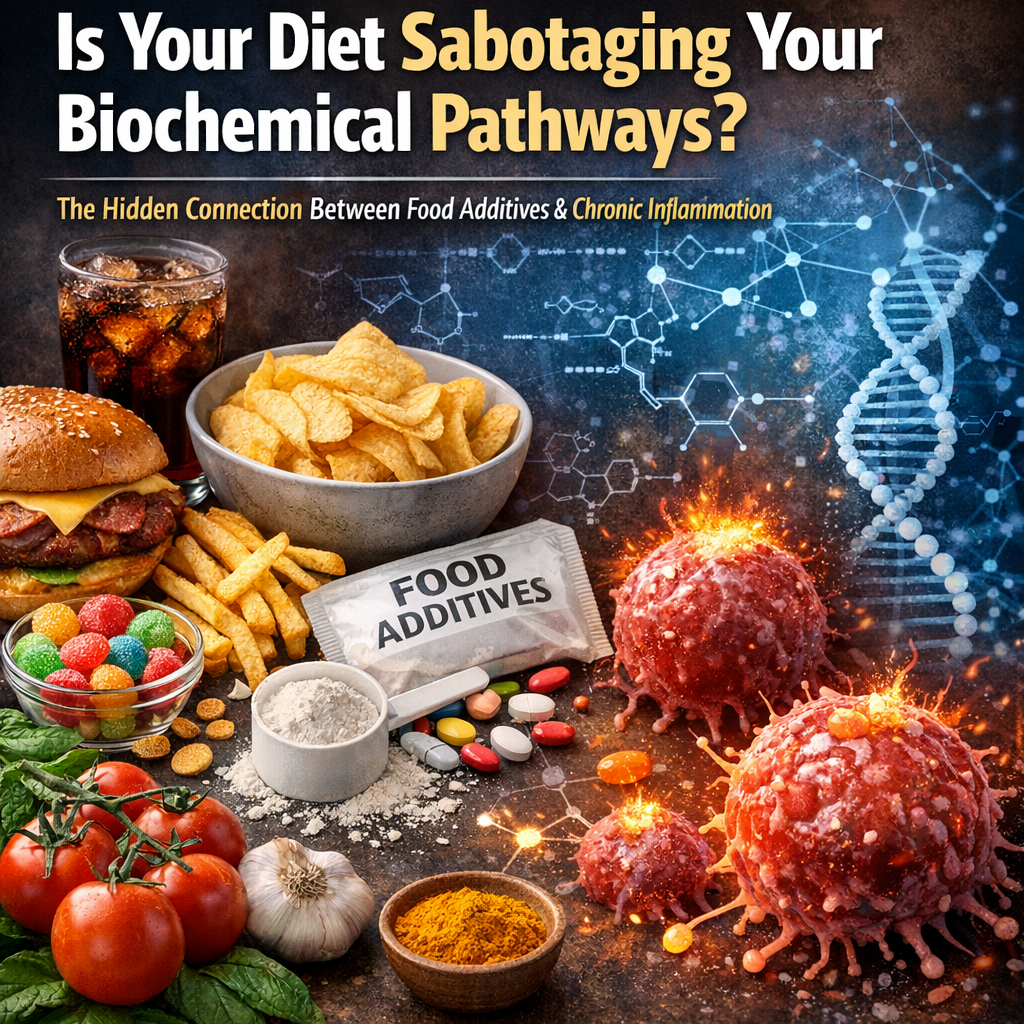
Is Your Diet Sabotaging Your Biochemical Pathways? The Hidden Connection Between Food Additives and Chronic Inflammation
In today’s fast-paced world, our convenience-driven food culture is both a blessing and a potential curse. Supermarkets are filled with ready-to-eat meals, preserved snacks, and easy-to-cook products that promise to save time. However, this convenience often comes at a hidden cost: food additives. While they enhance flavor, preserve shelf life, and improve product appearance, these additives may undermine our biochemical pathways, triggering chronic inflammation and exacerbating health issues like heart disease, diabetes, cancer, arthritis, and even neurodegenerative disorders.
Understanding Chronic Inflammation
Chronic inflammation is a prolonged response that lingers behind various chronic diseases. Though a natural response to injury or infection, issues arise when it remains unchecked, causing tissue and organ damage. Diet plays a pivotal role in either mitigating or exacerbating inflammation, with food additives being a central concern. These chemicals disrupt normal bodily processes, introducing foreign substances identified as invaders, setting off an extended inflammatory response.
Impact of Food Additives
The connection between processed food additives and chronic inflammation demands scrutiny. Food additives like monosodium glutamate (MSG), sodium nitrites, artificial sweeteners like aspartame, and food colorings such as Red 40 have been controversial. They’re suspected of worsening inflammation and impacting metabolic pathways, leading to broader health issues.
Features: Professional and Medical Studies
Scientific research has been unveiling the correlations between food additives and chronic inflammation. For example, a study in [Nature](https://www.nature.com/articles/nature14232) highlighted how emulsifiers in processed foods disrupt gut microbiota, leading to increased inflammation and metabolic syndrome. Another study in the [American Journal of Clinical Nutrition](https://academic.oup.com/ajcn) demonstrated that artificial sweeteners, such as sucralose and aspartame, negatively alter gut flora, promoting glucose intolerance and inflammatory responses.
An investigation in the [Nutrition Journal](https://nutritionj.biomedcentral.com/articles/10.1186/s12937-017-0246-x) showed that sodium nitrites contribute to oxidative stress and inflammatory processes. Diet patterns revealed that high intake of processed meats correlates with increased inflammatory markers like C-reactive protein (CRP).
These findings call for action. Awareness and education about the effects of food additives are crucial. Consumers and policymakers must ensure strategic dietary plans and policy reforms to limit harmful additives. Empowering consumers to make informed choices by understanding food labels and opting for whole, minimally processed foods can be vital.
Conclusion
The link between diet, food additives, and inflammation is a growing public health concern. While convenience foods are tempting, understanding their potential risks necessitates a shift towards mindful eating. Embracing a diet rich in whole, natural foods while limiting processed options can counter chronic inflammation. Choosing foods free from harmful additives nourishes the body and protects our biochemical pathways, paving the way for a healthier life.
Concise Summary
While convenience foods save time, their additives may harm our health by triggering chronic inflammation, which is linked to various diseases. Studies show that additives like emulsifiers, artificial sweeteners, and sodium nitrites disrupt processes and promote inflammation. Awareness and education are crucial as we shift towards natural diets, limiting processed foods. Emphasizing healthier choices and informed decisions fosters overall well-being and protects biochemical pathways.
References
– *Emulsifiers impact on gut microbiota and inflammation* – [Nature](https://www.nature.com/articles/nature14232)
– *Artificial sweeteners and gut flora* – [American Journal of Clinical Nutrition](https://academic.oup.com/ajcn)
– *Sodium nitrites, oxidative stress, and inflammation* – [Nutrition Journal](https://nutritionj.biomedcentral.com/articles/10.1186/s12937-017-0246-x)

Dominic E. is a passionate filmmaker navigating the exciting intersection of art and science. By day, he delves into the complexities of the human body as a full-time medical writer, meticulously translating intricate medical concepts into accessible and engaging narratives. By night, he explores the boundless realm of cinematic storytelling, crafting narratives that evoke emotion and challenge perspectives.
Film Student and Full-time Medical Writer for ContentVendor.com