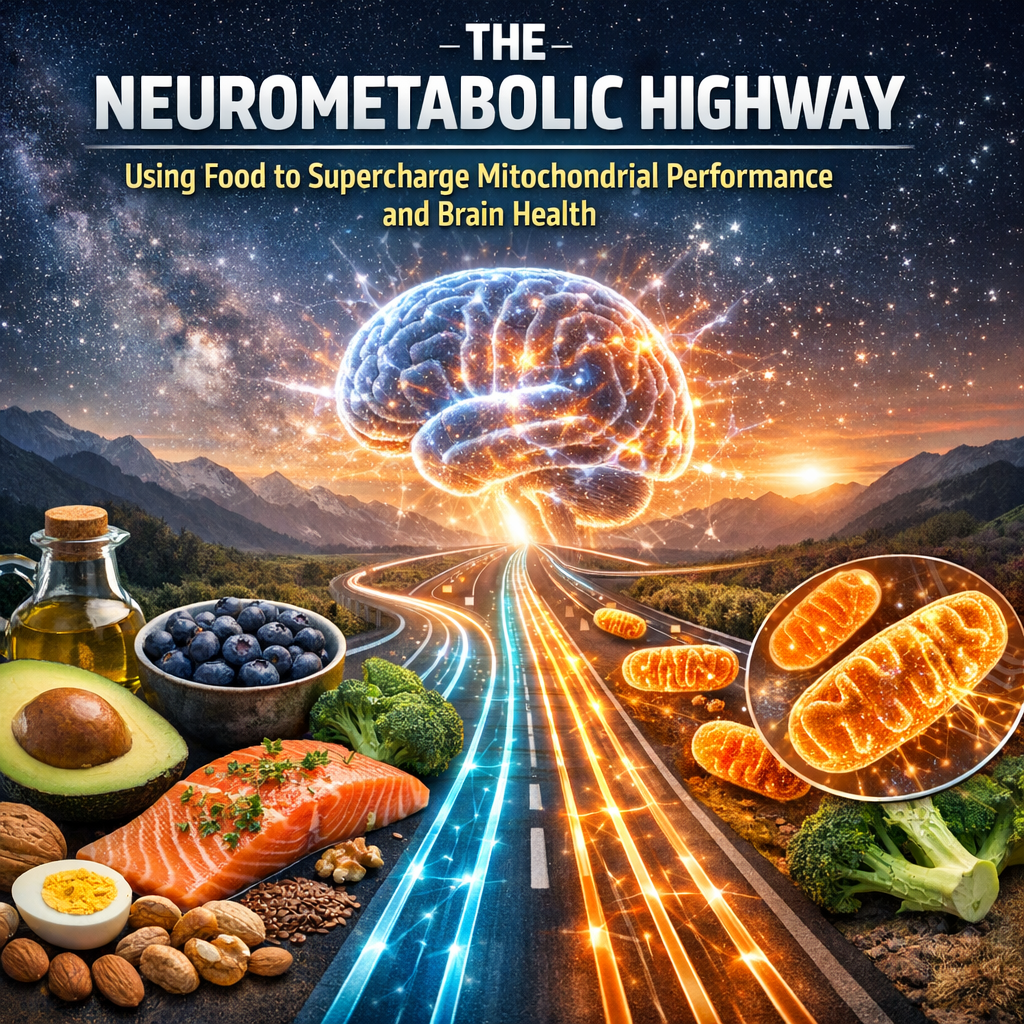
The Neurometabolic Highway: Using Food to Supercharge Mitochondrial Performance and Brain Health
In today’s fast-paced world, maintaining optimal brain health is more crucial than ever. The human brain, a complex organ with numerous pathways and connections, relies heavily on its energy powerhouses, the mitochondria. These tiny structures are tasked with producing the energy required for every cellular function, making them critical players in not just physical health, but mental acuity and cognitive function. However, what if the cognitive decline often attributed to aging could be circumvented simply by optimizing mitochondrial performance through nutritional means?
This concept isn’t as far-fetched as it might seem. The link between mitochondrial health and brain function is solidified by the neurometabolic highway – a term that denotes the symbiotic relationship between metabolism and neurological function. Optimal brain health relies on both efficient metabolic processes and the health of its mitochondria. With increasing evidence suggesting that nutrition plays a pivotal role in this relationship, the food we consume could potentially serve as a natural enhancer for brain power.
In recent years, the fields of nutrigenomics and integrative medicine have emerged to explore how diet influences gene expression and overall health. As we seek natural remedies to enhance our brain’s capability, certain nutrients and foods emerge as potent candidates for supporting mitochondrial function. Ingredients with anti-inflammatory and antioxidant properties, such as omega-3 fatty acids, CoQ10, and flavonoids, have drawn particular attention. In addition, traditional herbal medicine, familiar with the healing properties of foods for centuries, offers a treasure trove of knowledge that modern science is beginning to explore and validate.
As you navigate the landscape of natural cures, homeopathic solutions, and herbal treatments, understanding the relationship between diet and brain health offers a roadmap to better focus, memory, and cognitive resilience. By strategically using food as a vehicle to supercharge mitochondrial performance, we can significantly impact our cognitive health, potentially altering the trajectory of brain aging and diseases associated with cognitive decline.
Features:
Notably, a growing body of scientific studies underscores the connection between diet and mitochondrial efficiency. One landmark study published in “The Journal of Neuroscience” highlighted how a high-fat diet rich in omega-3 fatty acids led to marked improvements in mitochondrial function, brain performance, and overall cognition in mice. The findings suggest that essential fatty acids found in foods like salmon and flaxseeds could counter some of the cognitive decline associated with aging and neurological disorders.
Similarly, the herbal compound resveratrol, abundantly found in red grapes and berries, has gained popularity due to its potential mitochondrial protective effects. Research in “Aging Cell” suggests that resveratrol can mimic the effects of a calorie-restricted diet, promoting mitochondrial biogenesis and metabolic health.
Moreover, Coenzyme Q10 (CoQ10), a compound naturally produced by the body and available through dietary sources like organ meats and whole grains, has been well-documented for its role in mitochondrial health. A study in “Neurology” presented evidence that CoQ10 supplementation could slow the progression of neurodegenerative diseases by enhancing cellular energy production and reducing oxidative stress on neurons.
In the realm of herbal medicine, ginkgo biloba is renowned for its neuroprotective qualities. A double-blind study published in “Phytomedicine” demonstrated the herb’s efficacy in improving cognitive function by boosting cerebral blood flow and enhancing mitochondrial bioenergetics.
The synergy between modern nutritional science and age-old herbal wisdom points to a robust pathway for enhancing brain function through diet. The challenge now lies in adopting these nutritional strategies in daily life and recognizing the food’s power as a natural ally in cognitive health optimization.
Conclusion:
In conclusion, the path to heightened brain health and efficiency does not necessitate expensive pills or exotic medications. Instead, it may lie in the foods we consume every day, having the power to invigorate our mitochondrial function and, by extension, our mental prowess. As we continue to unlock the mysteries of the neurometabolic highway, it becomes evident that our dietary choices can carve a significant trajectory toward sustained cognitive health. By embracing this holistic approach, focusing on nutrient-dense, brain-boosting foods, and honoring the wisdom of nature, we not only fuel our bodies but equally nourish our minds. Investing in our diet and understanding the nuanced interplay of nutrition and brain health, we embrace a proactive stance against cognitive decline, taking control of our well-being with every bite.
Concise Summary:
The article highlights the crucial role of mitochondria in maintaining optimal brain health, emphasizing how nutrition can enhance mitochondrial function and cognitive prowess. Through the lens of nutrigenomics and herbal medicine, compounds like omega-3 fatty acids, CoQ10, and resveratrol show promise in combating cognitive decline. Scientific studies reinforce the link between diet and improved brain performance, suggesting a holistic dietary approach over costly medications. By leveraging nutrient-rich foods and traditional herbal knowledge, individuals can optimize brain function and potentially alter the course of brain aging and associated disorders.

Dominic E. is a passionate filmmaker navigating the exciting intersection of art and science. By day, he delves into the complexities of the human body as a full-time medical writer, meticulously translating intricate medical concepts into accessible and engaging narratives. By night, he explores the boundless realm of cinematic storytelling, crafting narratives that evoke emotion and challenge perspectives.
Film Student and Full-time Medical Writer for ContentVendor.com