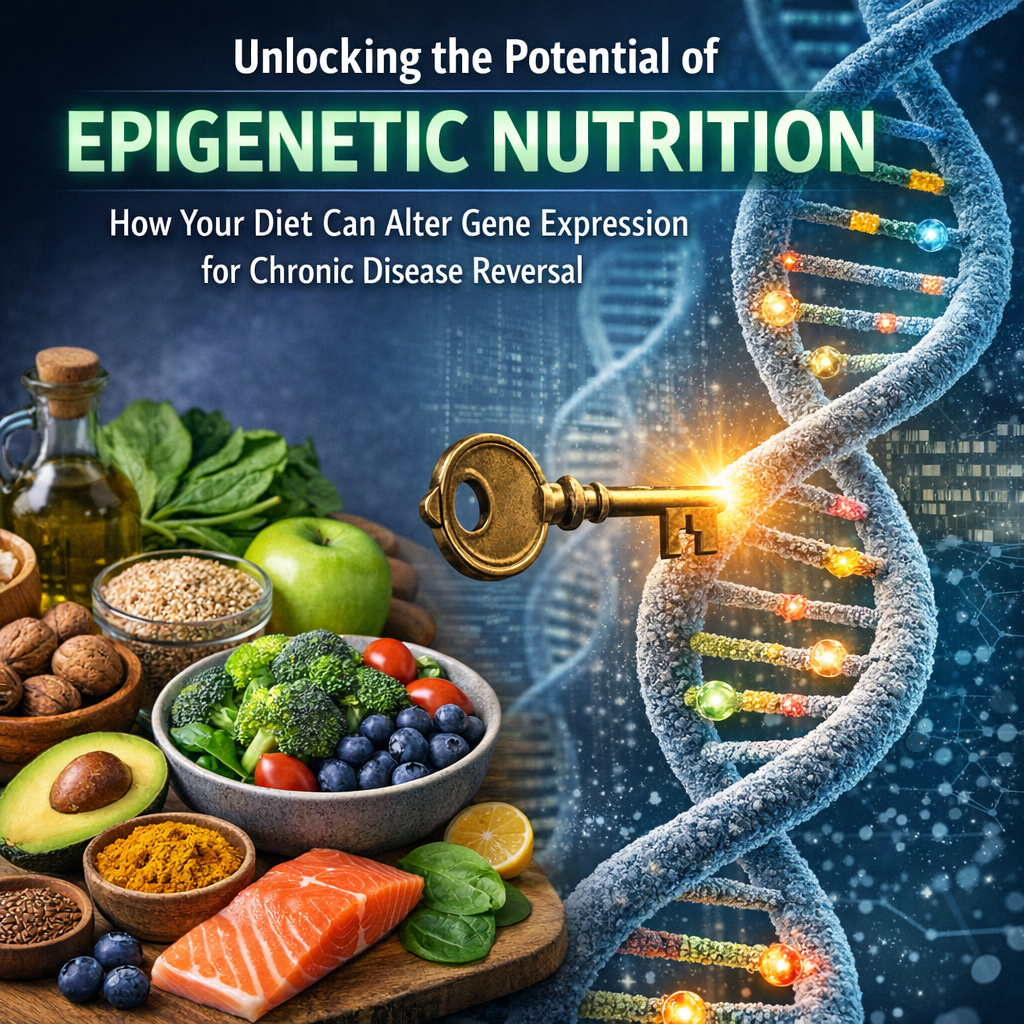
Unlocking the Potential of Epigenetic Nutrition: How Your Diet Can Alter Gene Expression for Chronic Disease Reversal
In recent years, the concept of epigenetics has been gaining traction in the fields of nutrition, medicine, and wellness. Epigenetics refers to the study of changes in gene expression caused by mechanisms other than alterations in the DNA sequence itself. These changes can be influenced by various factors, including environmental exposures and lifestyle choices, most notably, diet. As our understanding of genetics has evolved, so too has our appreciation for the role that nutrition can play in modulating these epigenetic mechanisms. This burgeoning field, often termed “epigenetic nutrition,” offers promising avenues for the prevention and potential reversal of chronic diseases.
The crux of epigenetic nutrition lies in its potential to influence the expression of genes associated with chronic conditions such as heart disease, diabetes, and cancer. Traditional approaches to managing these diseases primarily focus on treating symptoms or slowing progression. However, epigenetic nutrition provides a more nuanced strategy. By tailoring diets to promote or inhibit specific gene expressions, it may be possible to address the root causes of these diseases at a molecular level. This approach necessitates an in-depth understanding of the foods we consume and their active compounds, which can serve as dietary signals, altering gene expression in beneficial ways.
Many common dietary components, such as vitamins, minerals, polyphenols, and flavonoids, have demonstrated epigenetic activity. For instance, compounds found in cruciferous vegetables like broccoli and kale have been shown to influence detoxification genes. Similarly, curcumin in turmeric and resveratrol in red wine are noted for their potential to impact inflammatory processes at the molecular level. Understanding these interactions opens new potential for personalized nutrition plans that cater to an individual’s genetic makeup, promoting health and potentially reversing damage caused by poor lifestyle choices.
As we delve deeper into the science of epigenetic nutrition, we find ourselves on the cusp of a paradigm shift in how we approach chronic disease. The question is no longer simply about what to eat, but rather how specific foods can play a pivotal role in regulating genetic function, offering a compelling and holistic approach to health management.
Features:
Recent studies have begun to shed light on the powerful impacts that diet can have on gene expression. The focus has been largely on bioactive food components and their ability to modulate epigenetic markers. A landmark study published in the journal “Nature” demonstrated how dietary restriction in mice led to changes in DNA methylation, a common epigenetic mechanism, which resulted in extended lifespan and improved metabolic health [source](https://www.nature.com).
Another important study from the “Journal of Nutritional Biochemistry” explored the effects of a high-fiber diet on gene expression related to colon cancer in humans. The findings suggested that fiber intake altered the expression of genes involved in cell growth and apoptosis, potentially lowering cancer risk [source](https://www.sciencedirect.com).
Additionally, research highlighted in “Epigenomics” has emphasized the role of omega-3 fatty acids, typically found in fish oil, in promoting anti-inflammatory responses through epigenetic modifications. These findings suggest that omega-3s might ease chronic inflammation, a major contributor to numerous chronic diseases, including cardiovascular disease [source](https://www.futuremedicine.com).
The “American Journal of Clinical Nutrition” also reported findings on the Mediterranean diet—rich in fruits, vegetables, nuts, and healthy fats—and its impact on gene expression related to inflammation and metabolic syndrome. Over several months, participants following this diet exhibited noticeable epigenetic changes conducive to reduced inflammation and improved glucose metabolism [source](https://academic.oup.com/ajcn).
These studies collectively underscore the vast potential held by dietary components to influence our genetic code. While more research is required to fully understand these complex interactions, the evidence so far provides a compelling case for integrating epigenetic nutrition into chronic disease prevention strategies.
Conclusion:
The concept of using diet as a tool to influence gene expression and manage chronic diseases is both exciting and revolutionary. As research in the field of epigenetic nutrition advances, it holds promise for more personalized and effective healthcare strategies that go beyond traditional treatments. By understanding the relationship between food and our genes, we are unlocking new possibilities for reversing the effects of chronic illnesses. Though there are many complexities to unravel, the notion that we can play an active role in our health through dietary choices is empowering. With continued research, the application of epigenetic nutrition may well become a cornerstone of modern preventative medicine, offering hope to countless individuals suffering from chronic conditions worldwide.
Concise Summary:
Epigenetic nutrition explores how diet influences gene expression beyond DNA alterations, offering potential for reversing chronic diseases like heart disease, diabetes, and cancer. By understanding active compounds in foods such as vitamins, minerals, and polyphenols, personalized nutrition plans can be developed. Significant studies have shown dietary impacts on epigenetic markers, demonstrating possibilities like lifespan extension and reduced inflammation. As research continues, epigenetic nutrition could revolutionize preventative medicine, emphasizing personalized healthcare and the active role of dietary choices in health management.

Dominic E. is a passionate filmmaker navigating the exciting intersection of art and science. By day, he delves into the complexities of the human body as a full-time medical writer, meticulously translating intricate medical concepts into accessible and engaging narratives. By night, he explores the boundless realm of cinematic storytelling, crafting narratives that evoke emotion and challenge perspectives.
Film Student and Full-time Medical Writer for ContentVendor.com