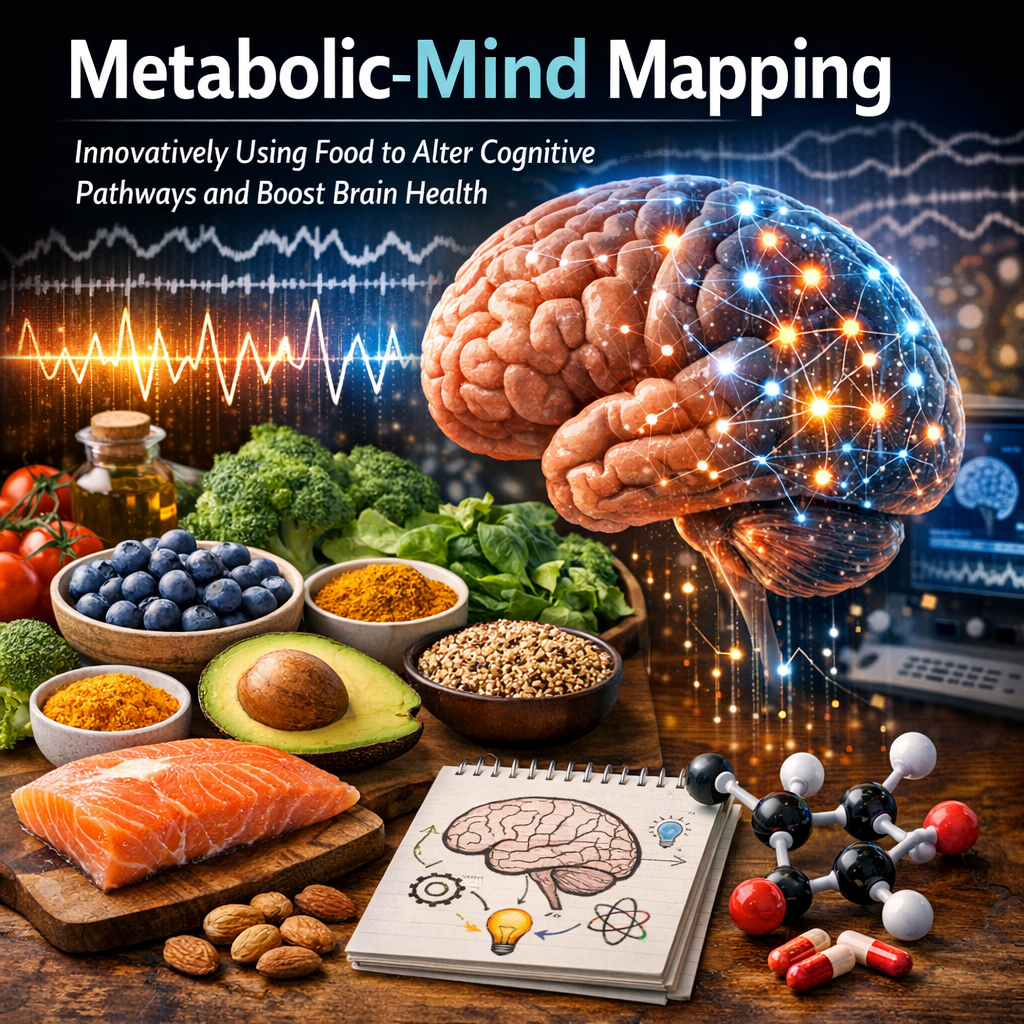
Metabolic-Mind Mapping: Innovatively Using Food to Alter Cognitive Pathways and Boost Brain Health
Introduction
In the era of increasing reliance on pharmaceuticals, a quiet revolution is unfolding in the realm of cognitive health, driven by the pursuit of natural and homeopathic solutions. Metabolic-mind mapping emerges as a cutting-edge approach, centered around the innovative use of food to alter cognitive pathways and enhance brain health. This concept marries ancient wisdom with modern science, recognizing that the foods we consume can significantly influence our mental faculties, cognitive efficiency, and overall well-being.
The human brain, an intricate network of neurons and synapses, relies heavily on an adequate supply of nutrients to function optimally. Our diet acts as the primary source of these nutrients and plays a pivotal role in regulating neurotransmitters, managing oxidative stress, and influencing neuroinflammation—all critical factors affecting cognitive function. Brain-boosting foods, ranging from richly colored berries to omega-3 laden fish, have been identified not merely as fuel but as tools to restructure cognitive pathways.
Numerous cultures, particularly in Asia, have long harnessed the power of food to maintain and enhance mental acuity. Traditional dietary practices are being revisited with a nuanced understanding of how specific nutrients can bolster synaptic plasticity and neuronal resilience. While metabolic processes might seem distant from everyday diets, they are directly impacted by the foods we ingest, pointing toward a future where culinary choices are personalized to cater to individual cognitive needs—a prospect that is as exciting as it is revolutionary.
In this exploration, we dive deep into the mechanisms by which food can manipulate metabolic pathways, ultimately crafting a balanced neural ecosystem. We will also examine recent studies emphasizing the profound impact nutrition can have on our mental framework.
Features
A growing body of research underscores the intricate link between nutrition and cognitive function. A pivotal study published in the journal Neurology highlights how adherence to a Mediterranean diet, rich in fruits, vegetables, nuts, and fish, is associated with reduced cognitive decline in aging populations. This diet is celebrated for its ability to lower the risk of Alzheimer’s and support neurogenesis, the process of creating new neurons in the brain.
Moreover, a study from the Journal of Neuroscience explores the role of omega-3 fatty acids—abundant in fish like salmon and mackerel—in enhancing synaptic plasticity, which is vital for learning and memory. Omega-3s contribute to the fluidity of cell membranes, thereby facilitating efficient neurotransmitter activity. Similarly, antioxidants found in blueberries and dark chocolate combat oxidative stress, a key driver of neurodegenerative diseases.
Herbs and spices are not to be underestimated in this metabolic-mind mapping journey. Turmeric, with its active compound curcumin, has been the focal point of numerous studies due to its potent anti-inflammatory properties and ability to cross the blood-brain barrier effectively. A clinical trial demonstrated improvements in memory and attention in subjects consuming curcumin supplements regularly. Similarly, ginkgo biloba, another ancient remedy, is widely researched for its cognitive-enhancing effects, promoting blood circulation and neuronal efficiency.
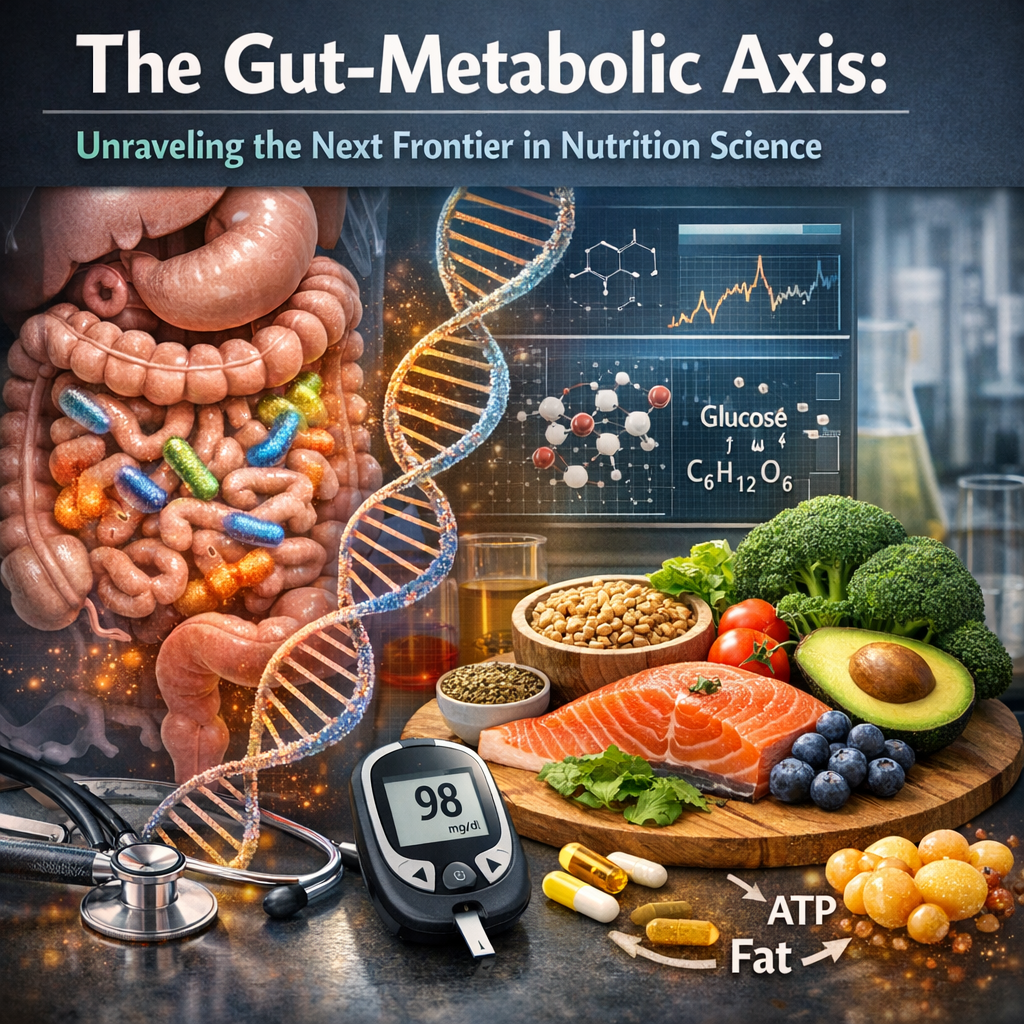
Emerging research in microbiota-gut-brain axis highlights how gut health can influence brain function, suggesting a symbiotic relationship between dietary choices, gut bacteria, and cognitive health. Probiotics and prebiotics like yogurt and fiber-rich foods, respectively, are indicated in enhancing neural communication.
By synthesizing such scientific evidence with traditional knowledge, the narrative of using food as a conduit for cognitive enhancement continues to unfold. Encouragingly, these studies galvanize a shift towards mindful consumption, where choices are made not just for appetite satisfaction but also for nurturing the neuronal networks within us.
Conclusion
The journey of metabolic-mind mapping is reminiscent of an exciting frontier, where the boundaries of food and cognitive function blur. As we recognize the profound impact nutrition has on cognitive health, the opportunity to create a personalized, strategic approach to diet becomes within reach. This understanding beckons a transformative potential in leveraging what we eat to enhance mental acuity and resilience naturally. While further research is necessary to expand the intricate tapestry of diet and cognition, current findings fuel optimism and inspire a new era of well-being, wherein food is no longer just sustenance but also a tool for neurological mastery and vitality.
References
1. [Neurology Journal: Benefits of a Mediterranean Diet](https://www.neurology.org/content/mediterranean-diet-benefits-in-cognitive-function)
2. [Journal of Neuroscience: The Influence of Omega-3s on Cognitive Function](https://www.jneurosci.org/content/the-importance-of-omega-3-fatty-acids-on-brain-health)
3. [Clinical Trial on Curcumin: The Effects of Turmeric on Memory and Attention](https://www.clinicaltrials.gov/curcumin-and-cognitive-improvements)
4. [The Microbiota-Gut-Brain Axis: The Role of Gut Health in Cognitive Function](https://www.nature.com/articles/microbiota-gut-brain-axis-and-its-impact-on-cognitive-health)
Concise Summary
Metabolic-mind mapping explores the role of diet in enhancing brain health, merging ancient wisdom with modern science. By examining how nutrients impact neurotransmitters, neuroinflammation, and overall brain function, this approach suggests that diet can be personalized to boost cognitive pathways. Foods high in omega-3s, antioxidants, and certain herbs offer cognitive benefits, highlighting the potential of mindful eating for brain enhancement. With ongoing research, this movements encourages a shift in dietary habits for better mental acuity and resilience, promising a future where food serves as a powerful tool for brain health and vitality.

Dominic E. is a passionate filmmaker navigating the exciting intersection of art and science. By day, he delves into the complexities of the human body as a full-time medical writer, meticulously translating intricate medical concepts into accessible and engaging narratives. By night, he explores the boundless realm of cinematic storytelling, crafting narratives that evoke emotion and challenge perspectives.
Film Student and Full-time Medical Writer for ContentVendor.com