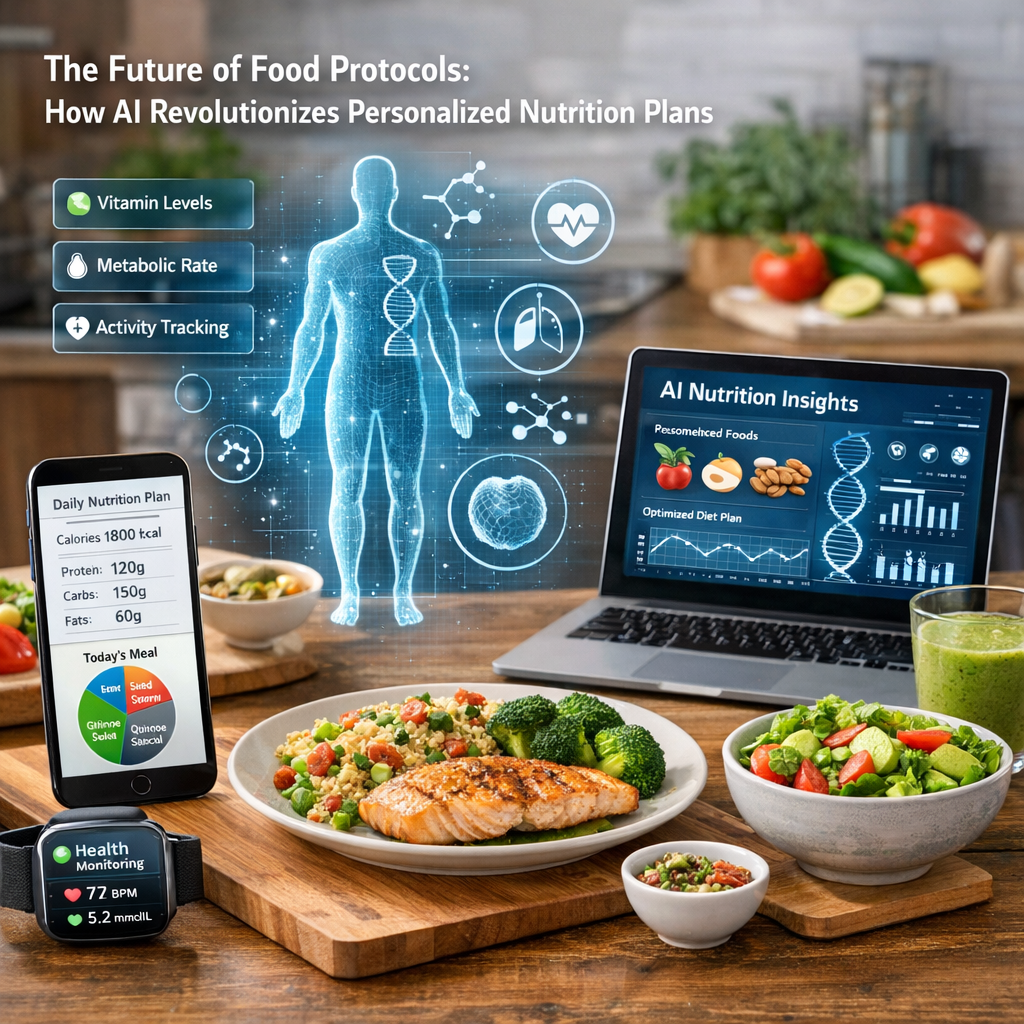
The Future of Food Protocols: How AI Revolutionizes Personalized Nutrition Plans
The digital age has ushered in transformative advancements across various sectors, with artificial intelligence (AI) standing at the forefront of this revolution. Amid countless applications, AI’s integration into the food and nutrition sector is particularly groundbreaking. At a time when the world is increasingly leaning towards personalized solutions—be it in fitness, fashion, or health—nutrition is no exception. The advent of AI promises a future where nutrition is not just broad recommendations from generic dietary guidelines but is personally tailored to individual needs, lifestyles, and health goals.
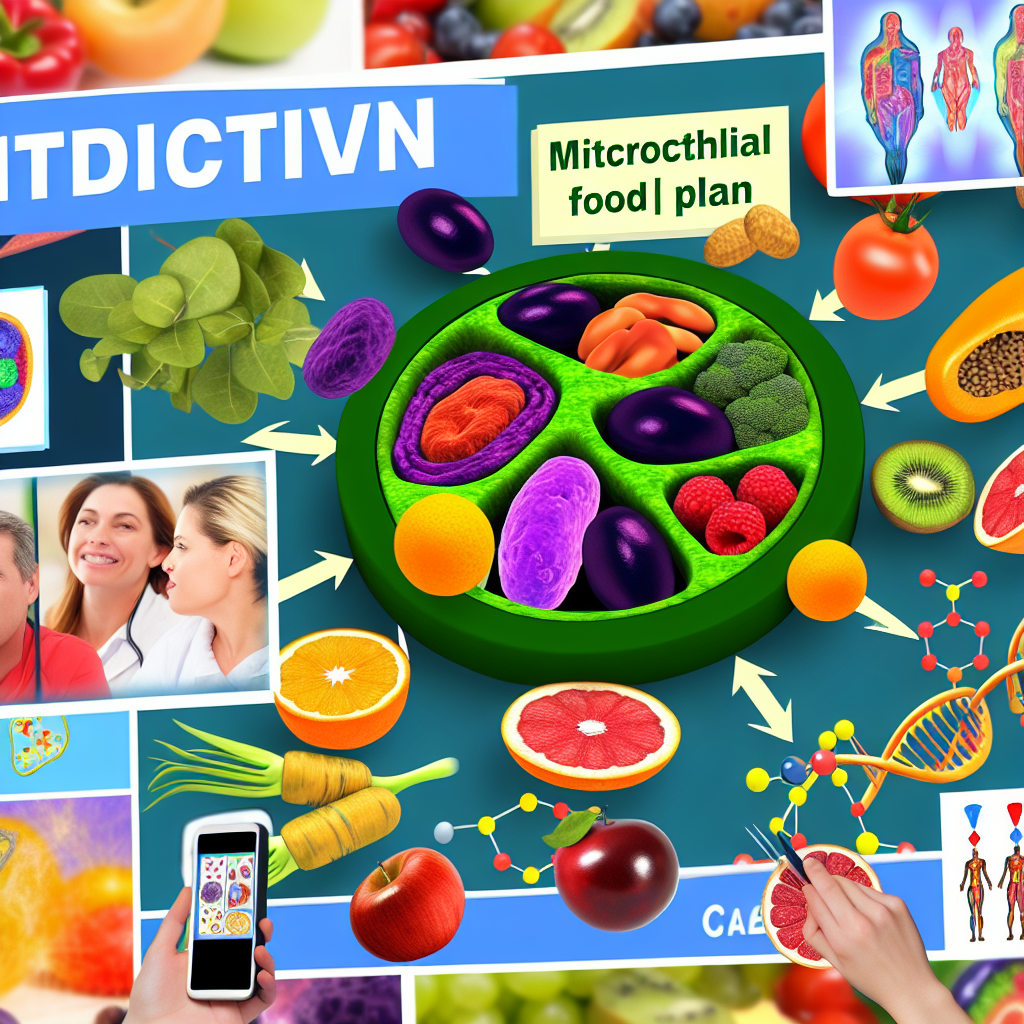
Understanding the complexity and individuality of human bodies, AI emerges as a game-changer in formulating personalized nutrition plans. With the ability to analyze vast datasets encompassing one’s genetic markers, lifestyle habits, and even gut microbiome, AI can design dietary protocols like never before. Gone are the days of one-size-fits-all diets, as AI paves the way for hyper-customized meal plans that take into account the unique biochemical and physiological makeup of each individual.
This innovation is not just an advance for nutritional science but a boon for consumers who are increasingly seeking natural and holistic approaches to health management. As awareness around the impact of diet on health escalates, so does the demand for nutrition methods that blend scientific rigor with personalized solutions. Whether someone aims to manage chronic conditions such as diabetes, enhance athletic performance, or simply pursue a healthier lifestyle, AI-driven nutrition plans offer unprecedented precision and efficacy.
A pioneer example of AI’s capabilities in personalized nutrition is its employment in determining optimal nutrient intake to prevent or mitigate specific health conditions. For instance, AI can analyze a user’s genetic information and lifestyle to recommend an ideal balance of macronutrients and micronutrients. Furthermore, AI-driven systems learn and adapt continuously, refining nutrition plans as they gather more data over time—thus optimizing health outcomes.
As we delve deeper into the capabilities of AI in nutrition, it is crucial to understand this technology’s professional and scientific backing. The integration of AI into nutrition science is bolstered by numerous studies and advancements in various related fields, ensuring that the future of personalized dietary protocols is both promising and validated.
Features of AI in Personalized Nutrition: Scientific and Professional Insights
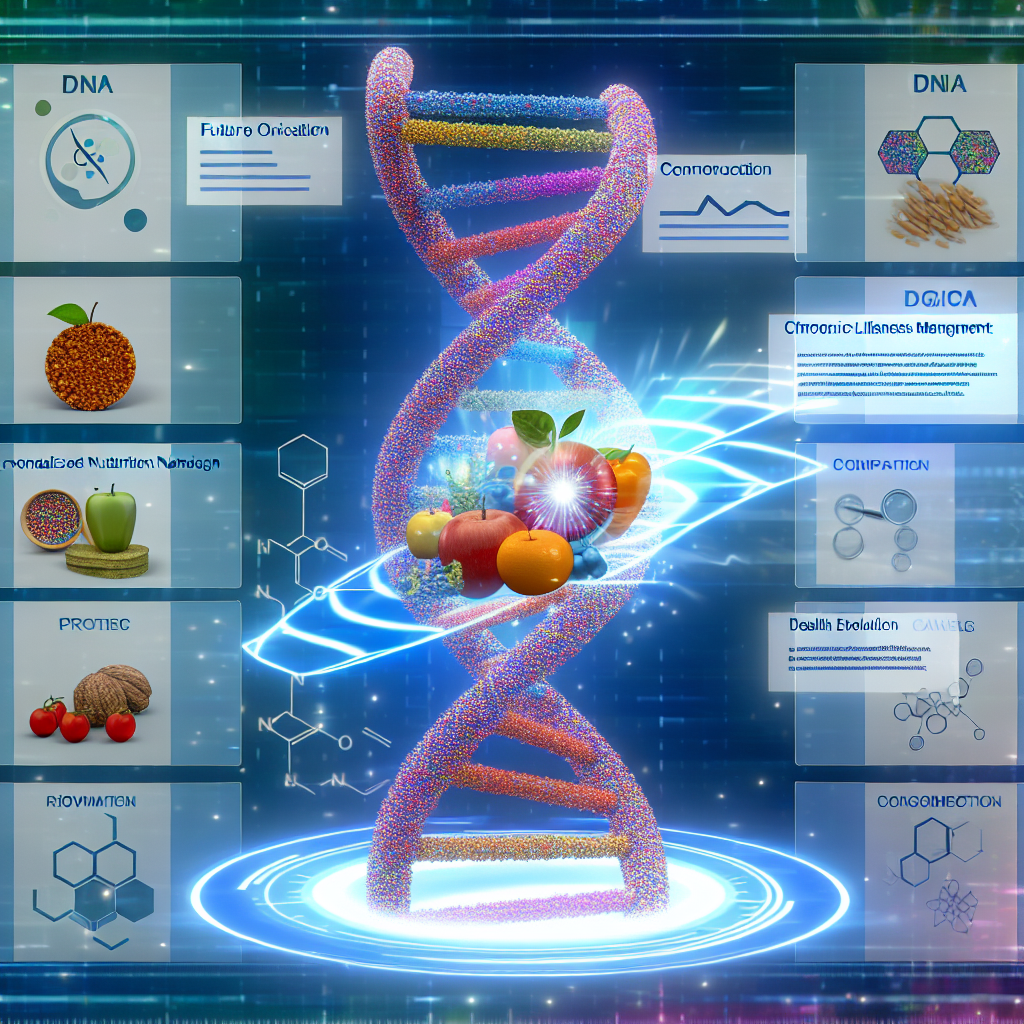
AI’s role in personalizing nutrition has not been explored in isolation; rather, it builds upon a wealth of existing scientific research and professional insight. The field of nutrigenomics, which studies the interaction between nutrients and genes, is particularly significant in this context. By understanding one’s genetic predispositions, AI can predict how different people may respond to certain foods or nutrients, ultimately refining dietary recommendations.
In a study conducted by the European Journal of Human Genetics ([source](https://www.nature.com/ejhg/)), researchers linked specific genetic variants with the body’s ability to assimilate nutrients. By leveraging such data, AI-driven nutrition platforms can offer evidence-based recommendations tailored to individual genetic profiles. This ability to merge genetic data with nutritional science allows for interventions that address not just symptoms but underlying causes of health issues.
The integration of AI with wearable technology further enhances its efficacy. Wearable devices that track physical activity, blood glucose levels, and other health metrics feed real-time data into AI systems. According to a research article in the Journal of Personalized Medicine ([source](https://www.mdpi.com/journal/jpm)), the feedback loop created by continuous monitoring and AI analysis significantly improves the precision of personalized nutrition plans. For instance, AI can adjust calorie intake or nutrient allocation in response to daily fluctuations in a user’s activity levels or metabolic markers.
Moreover, AI’s prowess in data mining makes it indispensable in understanding the human gut microbiome’s role in nutrition. Studies, like those reviewed by Nature Communications ([source](https://www.nature.com/ncomms/)), underline the pivotal role of gut microbes in modulating bodily functions, including digestion and nutrient absorption. AI analyzes microbiome data to recommend probiotics or dietary changes that enhance gut health, promoting overall well-being.
These advancements exemplify how AI-backed personalization is not just an aspirational goal but is grounded in rigorous scientific research. By unifying insights from genetics, wearables, and microbiome studies, AI provides a comprehensive approach to nutrition that is scientifically sound and practically applicable.
Conclusion
AI’s emergence in the realm of personalized nutrition is more than a mere technological boon—it heralds a fundamental shift in how we perceive and engage with food. By dismantling the broad strokes of traditional dietary guidance, AI enables a nuanced approach to nutrition that acknowledges and caters to individual differences in genetics, lifestyle, and health goals. This progress not only amplifies the efficacy of dietary interventions but also aligns with a growing consumer demand for natural, personalized health solutions. As AI technology continues to evolve, it holds the potential to reshape our dietary landscape, making nutrition a personal journey of discovery and empowerment.
The transition towards AI-driven nutrition is ongoing and requires careful consideration of ethical, privacy, and accessibility issues. However, with its foundation in robust scientific research and its adaptability to continuous technological advancements, AI stands poised to revolutionize personalized nutrition, paving the way for healthier and more informed consumer choices.
For more insights, consider delving into these resources on [AI and nutrigenomics](https://www.nature.com/ejhg/) or [wearable technology in personalized health](https://www.mdpi.com/journal/jpm).
Concise Summary:
AI is revolutionizing the field of personalized nutrition by using data from genetics, lifestyle, and microbiome analysis to create customized nutrition plans. These AI-driven plans aim to optimize health, taking into account individual differences, and are informed by scientific research from fields like nutrigenomics and the study of wearable tech impacts. Such advancements are expected to meet the growing consumer demand for natural and personalized health solutions, thus, increasing intervention efficacy and promoting healthier lifestyles. However, ethical, privacy, and accessibility issues must also be considered as the integration of AI in nutrition continues to develop.

Dominic E. is a passionate filmmaker navigating the exciting intersection of art and science. By day, he delves into the complexities of the human body as a full-time medical writer, meticulously translating intricate medical concepts into accessible and engaging narratives. By night, he explores the boundless realm of cinematic storytelling, crafting narratives that evoke emotion and challenge perspectives.
Film Student and Full-time Medical Writer for ContentVendor.com