Unlocking the Future of Nutrigenomics: How AI Can Personalize Your Dietary Blueprint for Disease Reversal
Introduction
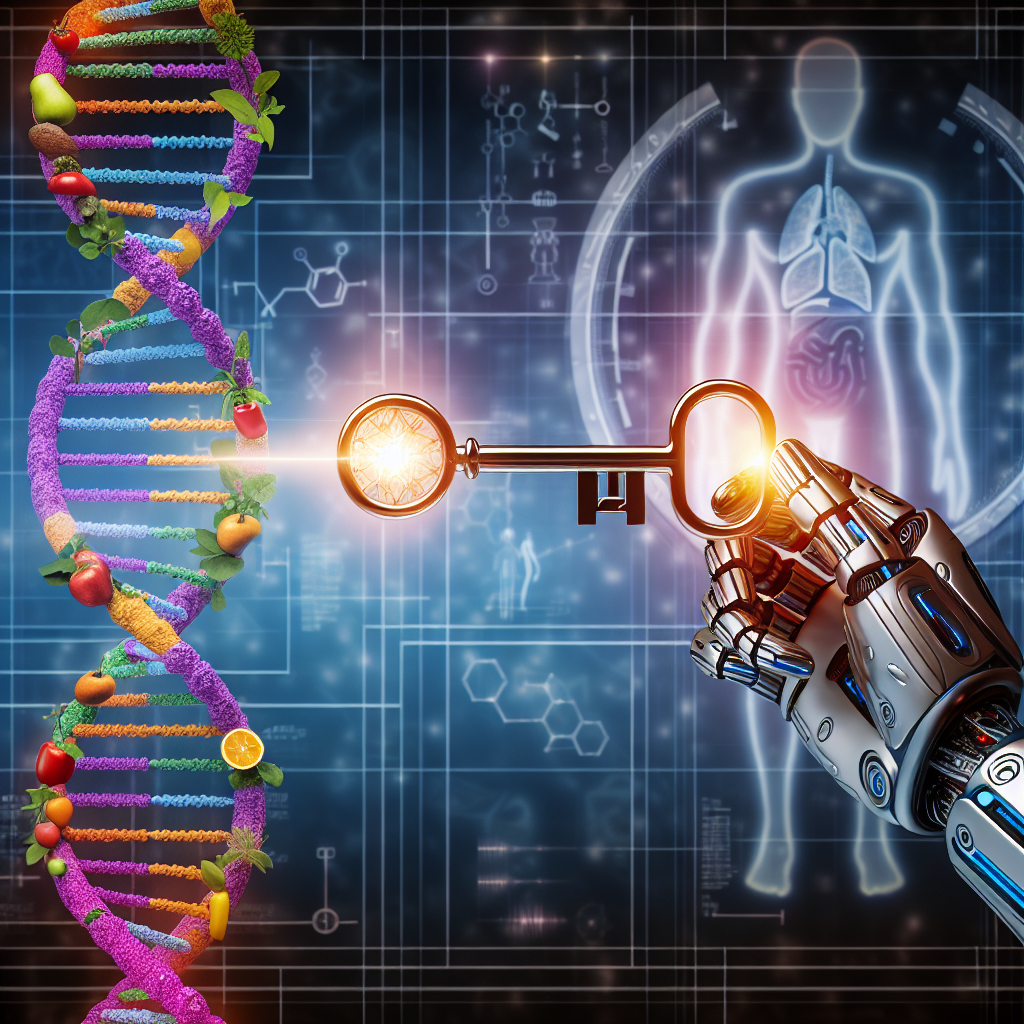
In recent years, the burgeoning fields of nutrigenomics and artificial intelligence have converged to offer enthralling possibilities for individualized health care. Nutrigenomics, the study of how nutrition interacts with an individual’s genome, has long promised to unravel the complex relationship between diet and health. By integrating AI, we are moving closer than ever to creating personalized dietary blueprints that can not only bolster general health but also reverse certain diseases. As we delve into this promising future, the key question emerges: how can AI-equipped nutrigenomics change the way we approach health and diet?
At the heart of nutrigenomics is the understanding that dietary components can influence gene expression and metabolic pathways. By recognizing the unique genetic makeup of each individual, we can potentially tailor specific nutritional strategies aimed at preventing and even reversing chronic conditions such as diabetes, obesity, and heart disease. With diseases becoming increasingly prevalent, the urgency for innovative solutions is paramount. Traditionally, our understanding of food and health has been based largely on generic dietary guidelines. These one-size-fits-all recommendations often fail to account for individual genetic variability and lifestyle factors.
Artificial intelligence steps in as a game-changer by efficiently sifting through vast datasets, capable of identifying nuanced patterns and relationships that would be imperceptible to the human eye. AI can analyze genetic data and correlate it with the latest scientific findings in nutrition, thereby assisting in creating a bespoke dietary plan rooted in scientific evidence. This level of precision in understanding and modifying how diet impacts disease progression is unprecedented.
However, integrating AI into nutrigenomics does not simply involve data analysis. It necessitates a multidisciplinary effort that spans genomics, nutrition science, computer modeling, and bioinformatics. The algorithms are constantly trained and refined, learning from an expanding pool of research and clinical data. This dynamic capability allows AI to make increasingly accurate predictions about how different foods might influence an individual’s gene expression and health outcomes. As we explore the full potential of this fusion, it’s evident that AI-led nutrigenomics heralds a paradigm shift from reactive to proactive health management.
Features: Documenting the Convergence of Nutrigenomics and AI
Recent studies underscore the promising potential of AI in enhancing nutrigenomic advice. One pivotal study published in the journal [Nature Genetics](https://www.nature.com/articles/ng2018) demonstrated how AI systems could efficiently analyze genomic data to predict individual responses to various dietary components. The study revealed that participants who received AI-guided dietary advice showed significant improvements in metabolic markers, substantiating the capability of AI to enhance nutrigenomic strategies.
In another study published in the [Journal of Personalized Medicine](https://www.mdpi.com/journal/jpm), researchers explored how AI could be used to recommend personalized nutrition plans aimed at reducing inflammation—a marker closely associated with numerous chronic diseases. This study utilized a vast dataset comprising genetic, clinical, and dietary information from volunteer participants. AI was employed to mine this data, creating individualized diet suggestions that minimized inflammation markers, ultimately suggesting a potential pathway for mitigating disease.
Moreover, advancements in wearable health technology have begun to foster synergy between continuous health monitoring and AI-driven dietary recommendations. Devices can now track real-time biological markers such as glucose levels, metabolic rate, and heart function, feeding into sophisticated AI models. These models analyze the incoming data alongside genetic predispositions to tailor dietary advice that evolves in response to the body’s needs. The implications of this on disease management, particularly for conditions like diabetes and cardiovascular disorders, are being steadily documented.
The integration of AI in nutrigenomics is not devoid of challenges. Ethical concerns, including data privacy and genetic information security, remain prevalent. Additionally, the diversity of global populations poses another challenge as current datasets often lack representation across different ethnicities, which is crucial for developing universally applicable AI models. Despite these challenges, the momentum of ongoing research reflects a firm commitment within the scientific community to refine these models, making personalized medicine through AI a tangible, near-future reality.
Conclusion
The convergence of nutrigenomics and artificial intelligence represents the pioneering wave of personalized health care, poised to transform dietary recommendations into powerful tools for disease reversal. As technology advances and as our understanding of the human genome deepens, the capability to tailor nutrition based on an individual’s genetic profile moves from speculation to reality. While there are hurdles in achieving broad application, the potential benefits for disease prevention and robust health also grow exponentially.
As we stand on the cusp of this innovative era, it’s crucial to advocate for and contribute to the ethical, inclusive, and responsible development of AI-based nutrigenomics. By doing so, we can ensure that the remarkable potential of *personalized dietary blueprints* is fully unlocked and accessible to all, promoting a healthier, more vibrant future for individuals worldwide. This fusion of AI and nutrition science promises not only to enhance our approach to health but also to redefine it completely.
Concise Summary:
The fusion of nutrigenomics and artificial intelligence (AI) offers a groundbreaking approach to personalized health care by tailoring dietary recommendations based on an individual’s genetic makeup. Utilizing AI’s ability to process vast datasets, nutrigenomics facilitates personalized nutrition strategies to prevent and potentially reverse chronic conditions like diabetes and heart disease. Recent studies highlight AI’s efficacy in optimizing dietary plans and reducing inflammation. While challenges such as data privacy and diverse representation remain, ongoing research aims to overcome these, making AI-driven personalized medicine a future reality.

Dominic E. is a passionate filmmaker navigating the exciting intersection of art and science. By day, he delves into the complexities of the human body as a full-time medical writer, meticulously translating intricate medical concepts into accessible and engaging narratives. By night, he explores the boundless realm of cinematic storytelling, crafting narratives that evoke emotion and challenge perspectives.
Film Student and Full-time Medical Writer for ContentVendor.com