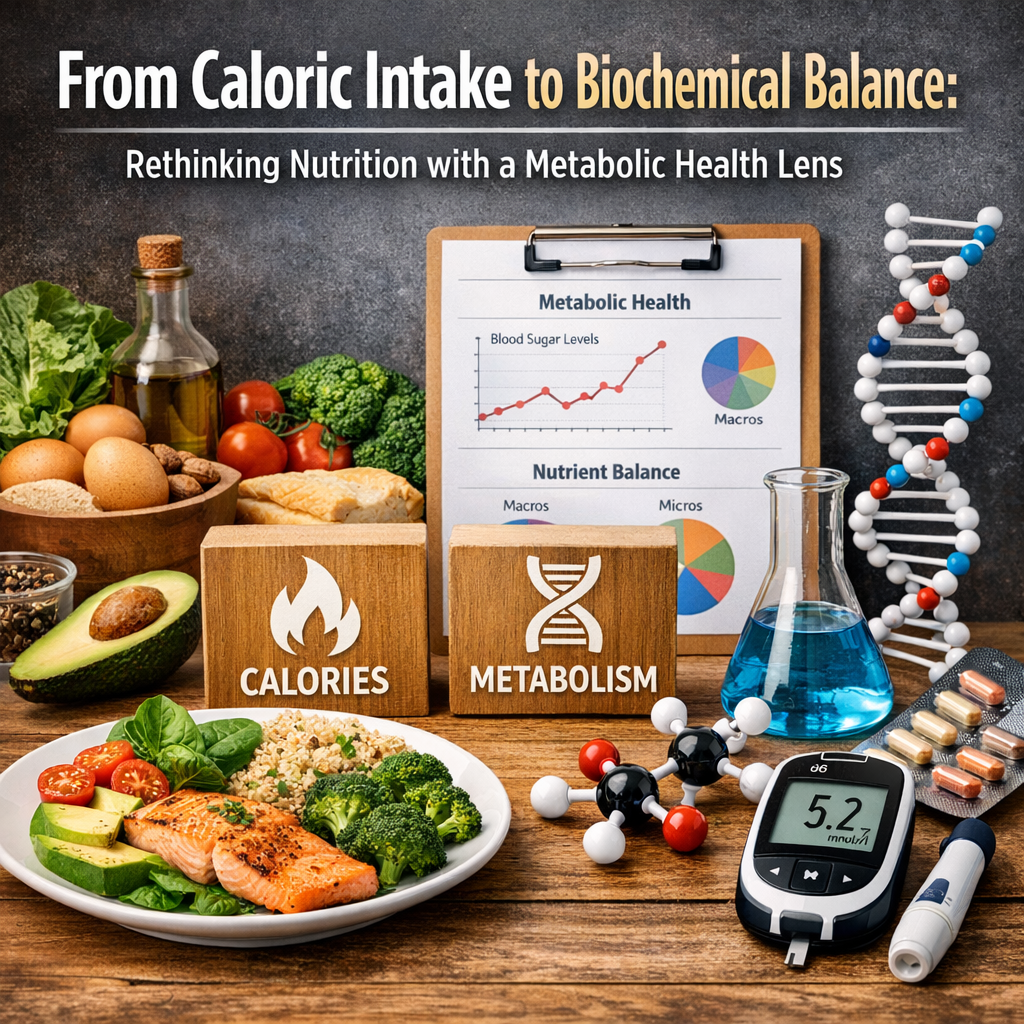
From Caloric Intake to Biochemical Balance: Rethinking Nutrition with a Metabolic Health Lens
Introduction
In recent years, the landscape of nutrition and dietary health has undergone a significant transformation. As more people become aware of the limitations of a calorie-centric view of dieting, a shift towards understanding metabolic health has emerged. Metabolic health refers to the optimal functioning of biochemical processes in the body, including energy production, storage, and utilization, as well as hormonal balance. Understanding how the body processes and uses the food we consume is becoming a central focal point for health enthusiasts, practitioners, and researchers alike.
Traditionally, diets have emphasized caloric counting as the gold standard for weight loss and health management. However, this approach often neglects the quality and type of calories consumed. A calorie from a nutrient-dense source like nuts or vegetables is vastly different in terms of health benefits compared to a calorie from sugary soda or processed foods. With the advent of nutritional science and its application in real-world scenarios, the focus has shifted from merely counting calories to considering the entire nutritional profile of the foods we eat.
Biochemical balance involves looking at macronutrients, micronutrients, and even phytochemicals that play a role in promoting overall health. It’s about how these components affect insulin sensitivity, inflammation levels, and even gut microbiome health. This includes looking at carbohydrate quality, healthy fats, protein sources, and the roles they play in hormone signaling and metabolic pathways.
As professionals and consumers, we need to rethink nutrition with a lens that focuses on maintaining metabolic health. This is not just about avoiding diseases like diabetes or obesity, but also about supporting vitality, mental clarity, and optimal physical performance. By focusing on metabolic health, we enable ourselves to make informed choices that lead to sustainable wellbeing. The nuances of this approach are supported by a growing body of research that redefines what it means to be metabolically healthy, urging a reevaluation of our nutritional guidelines and personal health strategies.
Features
The recent literature and studies in the field of nutrition underscore the importance of metabolic health. For instance, research published in the Journal of Nutrition and Metabolism highlights how diets rich in healthy fats and low in refined sugars and carbohydrates can improve insulin sensitivity, a critical component of metabolic health. This reflects the findings from the ketogenic and Mediterranean dietary patterns, which focus on reducing inflammation and enhancing metabolic functions through balanced macronutrient intake.
Another significant study found in the American Journal of Clinical Nutrition suggests that higher intake of whole grains and dietary fiber is associated with better metabolic markers, including lower body mass index (BMI) and cholesterol levels. This research illuminates the role that whole foods play in maintaining metabolic processes and how they can support long-term health goals by optimizing gut health and nutrient absorption.
Moreover, a comprehensive review in the Annual Review of Nutrition indicates that phytochemicals, which are abundant in fruits and vegetables, play a beneficial role in metabolic health by acting as antioxidants and anti-inflammatory agents. These compounds help in regulating metabolic pathways, reducing oxidative stress, and improving cardiovascular health, thereby supporting holistic approaches to nutritional practices.
These studies collectively highlight that metabolic health provides a more comprehensive picture of how nutrition affects wellbeing. The concept of metabolic health extends beyond weight management to a more complete understanding of how foods can optimize bodily functions and prevent chronic metabolic diseases. This understanding encourages a shift from a reductionist view of caloric intake to a more integrative view centered on biochemical processes.
Conclusion
Rethinking nutrition from a metabolic health perspective encourages us to focus on the quality and composition of our diets rather than merely caloric content. Embracing metabolic health involves choosing foods that support hormonal balance, insulin sensitivity, and optimal bodily functions. It prompts a shift in dietary practices that acknowledges the complex, synergistic roles of nutrients, fibers, and phytochemicals inherent in whole foods. By aligning our nutritional choices with our body’s intrinsic metabolic needs, we can enhance our overall health, improve disease resistance, and lead more energetic, fulfilling lives. As the evidence from recent research suggests, taking a holistic approach to nutrition is not only beneficial but necessary for achieving and maintaining optimal health in the modern world.
Concise Summary
The article explores the shift from a calorie-centric view of nutrition to a focus on metabolic health, highlighting the importance of understanding biochemical processes in maintaining optimal health. Rather than just counting calories, the emphasis is on the quality of nutrients and their impact on insulin sensitivity, inflammation, and gut health. Studies demonstrate the benefits of diets rich in whole grains, healthy fats, and phytochemicals in improving metabolic markers and supporting holistic wellbeing. This paradigm shift encourages choosing nutrient-dense foods that aid metabolic function, offering a more comprehensive approach to nutrition and health management.

Dominic E. is a passionate filmmaker navigating the exciting intersection of art and science. By day, he delves into the complexities of the human body as a full-time medical writer, meticulously translating intricate medical concepts into accessible and engaging narratives. By night, he explores the boundless realm of cinematic storytelling, crafting narratives that evoke emotion and challenge perspectives.
Film Student and Full-time Medical Writer for ContentVendor.com